In brief
They emphasize the need for better passenger care protocols in such unfortunate situations.
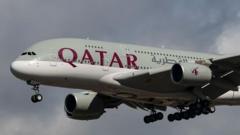
The traumatic experience of an Australian couple on a Qatar Airways flight has sparked discussions about passenger care during emergencies. Travelling from Melbourne to Doha en route to Venice for what they hoped would be a dream holiday, Mitchell Ring and Jennifer Colin were profoundly affected when the body of a deceased passenger was placed next to them.According to the couple's account on Channel 9, a woman collapsed in the aisle during the flight and tragically passed away. Cabin crew moved her body, covered with blankets, to a seat next to Mr. Ring for the remaining four hours. Shockingly, they did this without offering him the option to relocate, despite open seats available nearby.Qatar Airways has since issued an apology, expressing regret for any distress caused during the incident. However, both Ring and Colin reported that they had not received any follow-up support or outreach from either Qatar Airways or Qantas, the airline that facilitated their booking. They called for a structured protocol to better care for passengers during such shocking circumstances.Mr. Ring shared how staff reacted rapidly to the woman's collapse but were unable to move her to another section of the plane due to space limitations. He pointed out that while Ms. Colin could shift to a nearby empty seat, he was not given the same option by the crew.As the aircraft landed four hours later, emergency medical teams arrived to handle the situation, revealing the deceased woman's face to the couple as they observed the scene unfold. The couple emphasized the importance of a “duty of care” from airlines in ensuring the well-being of all passengers, stating that they should have been contacted afterward to check on their mental health and offer counseling.In response to the incident, Qatar Airways conveyed their condolences to the deceased's family and reiterated their commitment to contacting affected passengers in accordance with their policies. A Qantas spokesperson affirmed that the responsibility for managing onboard incidents lies with the operating airline, in this case, Qatar Airways.