In brief
President Volodymyr Zelensky has warned airlines, insurers and all users of Russian airspace that drone attacks have made the skies dangerous, urging a reduction in flights over Russia. Ukraine has formally notified the UN and ICAO of the threat, and several airlines – including Qatar Airways, Pegasus and FlyDubai – said they are monitoring the situation closely. FlightRadar24 data shows that, despite ramped‑up security, some flights continue to operate with minimal disruptions. Russian President Vladimir Putin dismissed the warning as a "declaration of state terrorism" and said the war now "returns home to Russia." As Ukraine tightens its own airspace control, international carriers may have to sacrifice time and fuel savings to maintain safety.
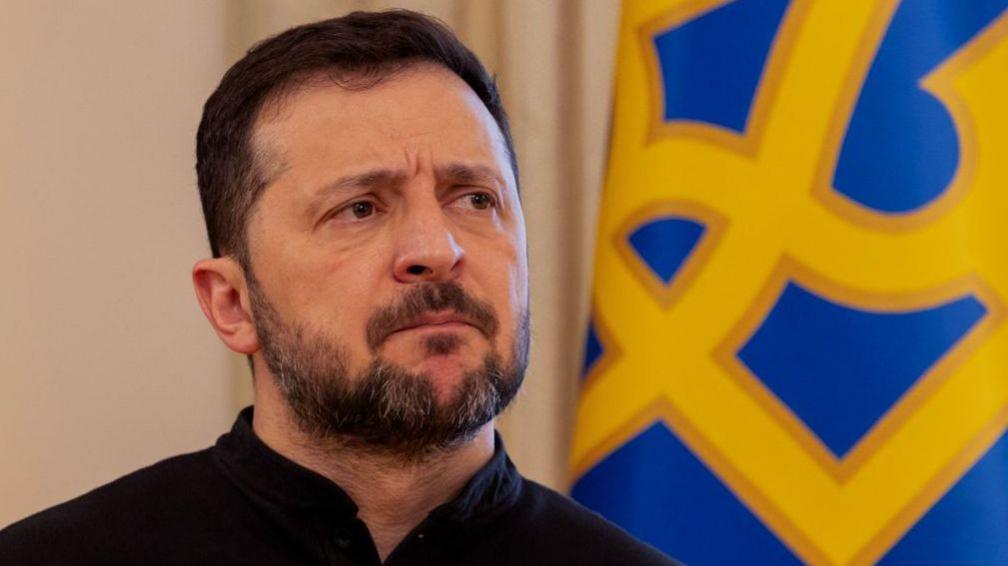
President Volodymyr Zelensky stood behind the blue and yellow Ukrainian flag to warn airlines that Russian airspace has become dangerously hostile.
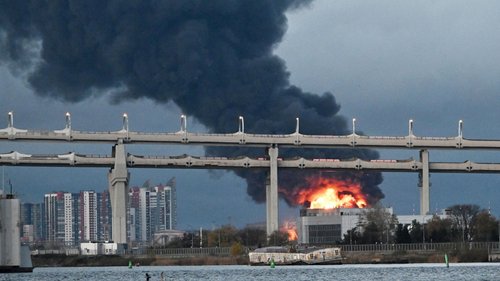
Zelensky cited a surge in drone and missile strikes targeting Russian territory and urged operators, insurers and any planners that still use key Russian airports to re‑evaluate routing over Moscow, St Petersburg and other hubs.
"The Russian sky is becoming completely dangerous," the president said. "We want to warn every airline and every insurer that the Russian airspace is effectively closing," adding that Ukraine has formally notified the United Nations of the risk to civilian aviation.
The director of Ukraine’s Foreign Ministry, Andrii Sybiha, confirmed on X that the state risks were communicated to the International Civil Aviation Organization (ICAO). The message echoed the president’s emphasis that the war “returns home to Russia” and that no unintended civilian incidents are intended.
In the backdrop, Russian air defence deploying its “Kovyor” carpet system often suspends flights when a drone is detected. Analysts warn that attacks within 300 km of the border are likely, but deeper strikes are also expected to continue throughout the year.
Qatar Airways said its flight planning remains “guided by rigorous and continuous monitoring of airspace security, safety assessments and geopolitical developments.” Pegasus Airlines cancelled some routes to Russia citing technical reasons, while Emirates‑owned FlyDubai stated it would “closely monitor the evolving situation and adjust schedules as necessary.”
FlightRadar24 data from mid‑Wednesday shows that many aircraft are still operating over Russia, though departures and arrivals at the country’s main airports have experienced minor delays. Only a handful of flights have been cancelled, indicating operators are currently balancing risk against operational demand.
Russian President Vladimir Putin dismissed the national warning, labeling it a “declaration of state terrorism.” He underscored that Ukraine’s offensive operations are aimed at returning the war “inside” Russian borders rather than threatening civilian air traffic.
As the conflict continues, Ukraine’s control over its own airspace remains tight, and civilian aircraft are prohibited from operating there. Most Western carriers have avoided Russian skies since the start of the full‑scale invasion in February 2022, but carriers from Turkey, China and the Gulf states, attracted by fuel savings, continue to carry cargo and passengers over Russia. The current backdrop threatens to force many of them into alternate routes, paying higher operational costs and longer flight times.
The situation remains fluid, and airlines are urged to stay updated with real‑time intelligence from ICAO, flight trackers and war‑zone bulletins to ensure passenger safety while navigating increasingly volatile skies.