Leadership transitions among major corporations like Starbucks and Nike have reignited the conversation about the pivotal role a CEO plays in corporate success. Alan Lafley, the former CEO of Procter & Gamble, which serves over five billion customers with a workforce of more than 107,000, likens leading such a vast organization to the pressures faced by a Premier League football team manager. The comparison illustrates that when results fall short, it is often the CEO, rather than the team members, who suffers the consequences.
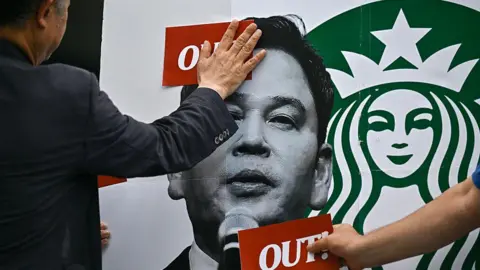
Starbucks recently appointed Brian Niccol as CEO amid declining sales attributed to rising competition, a complex menu, and broader economic challenges. His hiring, which includes a stunning compensation package exceeding $100 million in the first year, signals high expectations from the board of directors and investors, particularly as the company navigates a difficult business environment. Niccol’s appointment sparked a positive response in the stock market, demonstrating investor confidence in his potential to revive the brand.
According to executive coach Alisa Cohn, the CEO's role is integral in shaping the company's strategy and culture while also holding ultimate accountability for its performance. She notes that the success of a CEO directly correlates with their ability to inspire and communicate effectively with employees.
Marcia Kilgore, an accomplished entrepreneur, asserts that a successful CEO must coordinate various projects within the organization while ensuring collaboration among teams. This point echoes Lafley's own experiences when he took leadership at P&G, following a tumultuous restructuring that led to the exit of his predecessor. Lafley highlights the importance of fostering a cohesive vision and maintaining clear communication with staff during challenging times.
As CEOs face immense pressure, it is no surprise that their compensation packages can be exorbitant. A recent report by Equilar cited that the average compensation for S&P 500 CEOs reached a record $16.3 million, revealing a stark pay ratio compared to average employees. While some critics view such disparities as excessive, Lafley argues that competitive compensation is essential for attracting top talent, suggesting that salaries should be modest with performance incentives driving overall compensation.
In summary, as companies like Nike and Starbucks seek to reestablish their footing in competitive markets, the emphasis on selecting capable leaders who can adapt, communicate effectively, and ignite motivation among teams becomes increasingly vital. The spotlight on CEOs encapsulates their unique influence on corporate trajectories and highlights the delicate balance of responsibility, accountability, and financial rewards intrinsic to the role.