In brief
From affectionate titles to mocking labels, these nicknames reveal the perceptions and frustrations of the Kenyan populace.
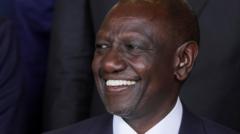
Kenya's President William Ruto has accumulated a myriad of nicknames since his ascent to power, reflecting varying public perceptions and sentiments. From "Deputy Jesus" to "El Chapo," these monikers are emblematic of the fondness, irony, and criticism that define his relationship with Kenyans. Acknowledging his nickname collection, Ruto recently jested at a Nairobi rally, questioning how far the trend would go, saying, "Will you stop at ten, or should I prepare for more?"Before his presidency in 2022, many of Ruto's nicknames showcased his image as a relatable leader, highlighting his humble beginnings as a "Chicken Seller" who sold poultry on Nairobi's streets. "Hustler," a term denoting perseverance against adversity, played a crucial role in winning over voters who resonated with his life story, according to political analyst Prof. Herman Manyora. However, Ruto's journey in politics, punctuated by controversies and previous positions, introduced names like "Arap Mashamba" (meaning "son of farms"), linking him to accusations of land appropriation.Since taking office, Ruto has been subjected to a torrent of new nicknames, many laced with criticism, particularly regarding economic policies that have incited widespread dissatisfaction. The term "Zakayo," likening him to a greedy biblical tax collector, has emerged following the introduction of unpopular tax hikes, frustrating many who feel betrayed after he promised to uplift the "hustlers." Last year's anti-tax protests, marked by chants of "Ruto must go," birthed another derisive title linking him to a general untrustworthiness reflected in names such as "Vasco da Ganya."While government officials assert that Ruto's multifaceted nicknames simply illustrate public perceptions, there is rising concern over artistic expressions mocking the president, leading to accusations of state intolerance. In a sign of frustration among the youth, nicknames like "El Chapo" emerged after a flubbed promise to provide free meals for schoolchildren, diluting trust in his capability to deliver on pledges.As Ruto continues to navigate this complex landscape, many young Kenyans find catharsis in these nicknames. Students emphasize that the humor embedded in naming serves as a vehicle to articulate their grievances. Unique for its volume and the mode of expression, President Ruto’s nickname phenomenon encapsulates the myriad challenges faced by Kenyans today, highlighting the intersection of humor and protest in a digital age where such labels can spread like wildfire. The phenomenon raises both eyebrows and laughter, shedding light on a leader navigating a politically charged environment where name-calling is not just a sport, but a reflection of collective struggle.