In brief
The High Communication Authority (HAC) announced that Gabon has lifted its ban on Facebook, TikTok, YouTube and other social media, ending an eight‑month digital blackout. The suspension, introduced on 17 February, was justified by the authorities as a response to supposedly chaotic online content amid social unrest. The move surprised a nation of 2.5 million, where younger citizens relied heavily on these platforms for business and communication. Critics say the ban was an abuse of power and a tactic to silence dissent, especially after President Brice Oligui Nguema’s controversial election win and a wave of strikes by teachers and civil servants. With the ban lifted, the government must now face renewed demands for transparency and digital rights.
Gabon Restores Social Media After Eight-Month Ban: A Digital Freedom Reversal
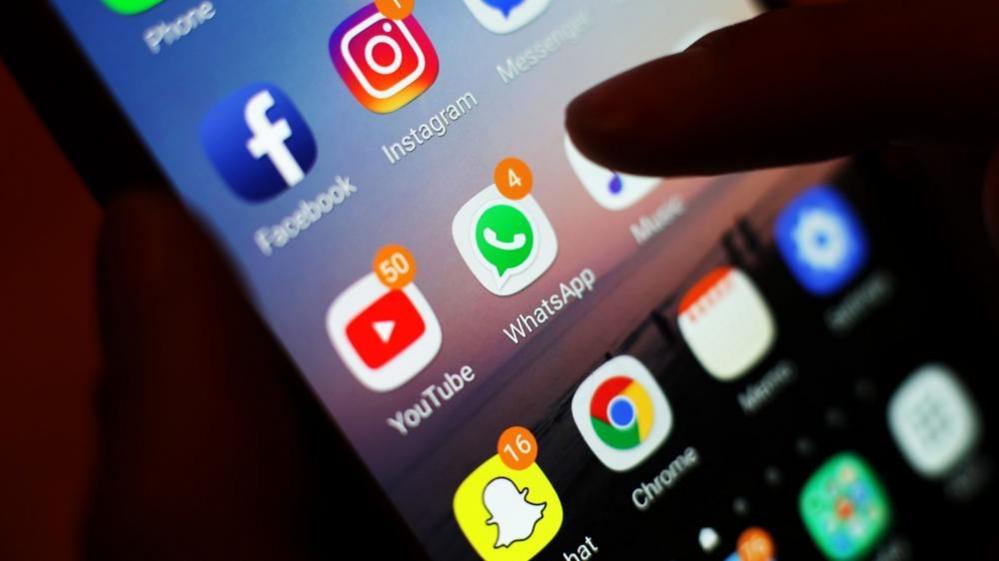
The High Communication Authority (HAC) announced on Saturday that Gabon has lifted its ban on major social-media platforms, ending an eight‑month blackout that began on 17 February.
The decision was made in a televised statement by the authority, which said the earlier measure had been taken because “online content was fueling conflict and deepening divisions.”
The restriction stunned a country of roughly 2.5 million people, where platforms such as Facebook, TikTok, YouTube and Instagram are especially popular with younger users who use them for business, networking and entertainment. Many citizens turned to VPNs to bypass the blackout, a fact that highlighted the strong demand for digital connectivity.
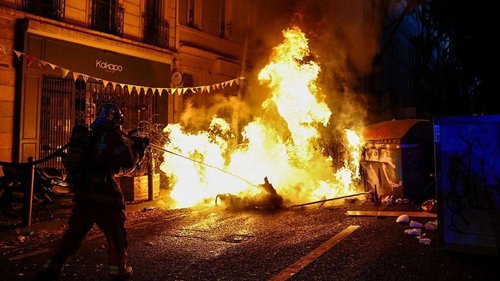
The ban came at a time of heightened political tension. President Brice Oligui Nguema, who won last year’s election with over 90 percent of the vote, was confronted with a surge of social unrest, less than a year after his coup that ended the Bongo family’s five‑decade grip on power. Teachers and civil servants staged nationwide strikes, citing low pay and poor working conditions while critics accused the regime of using digital blackouts as a tool of political control.
With the censorship lifted, Gabon’s leaders face a renewed call for transparency, freedom of expression and a re‑evaluation of how information is regulated in the digital age. The broader African context sees similar debates, as the continent grapples with the balance between security concerns and internet freedoms.