In brief
The court's non-binding opinion could influence global climate litigation and highlight obligations to mitigate environmental damage.
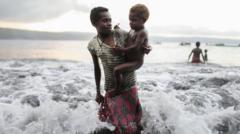
The world’s top judicial body, the International Court of Justice (ICJ), has embarked on crucial hearings that may define government accountability regarding climate change. Currently, nearly 100 countries, including Vanuatu - the Pacific island nation behind this legal initiative, are presenting evidence in The Hague.The hearings aim to dissect fundamental issues concerning how nations should respond to climate challenges, specifically their duties to counteract climate change and address damages resulting from rising global temperatures. While the ICJ's rulings are not legally binding, they could lend considerable weight to ongoing climate lawsuits worldwide.This initiative originated from law students in Fiji five years ago and gained traction through Vanuatu, which grapples with the severe impacts of climate change. Notably, last year witnessed around 80% of Vanuatu's population affected by a catastrophic double cyclone, forcing the government to impose a six-month state of emergency.Following pressures from Vanuatu and a coalition of other affected nations, the UN General Assembly has tasked the ICJ with addressing two pivotal questions: what international obligations nations bear in safeguarding the climate and the legal repercussions when countries inflict harm on the climate due to poor environmental decisions.Vanuatu is set to present its evidence first in this landmark case. Ralph Regenvanu, the country's special envoy, expressed, "We are on the frontline of climate change impact... our call for an advisory opinion from the ICJ is pivotal in clarifying international legal obligations for climate action."The court's eventual verdict may serve as a reference point for smaller nations seeking reparations from industrialized countries responsible for the increased greenhouse gas emissions that led to their plight.In the backdrop of this hearing, COP29 concluded a week ago in Azerbaijan, where richer countries' promise of $300 billion in climate financing by 2035 was deemed inadequate by those from developing nations, further intensifying the climate dialogue. The hearings will continue until December 13, with the ICJ's opinion expected sometime in 2025, potentially shaping future legal narratives surrounding climate responsibility.