In brief
Severe weather conditions have once again highlighted Iraq's vulnerability to climate change, as dust storms disrupt daily life and overwhelm healthcare services.
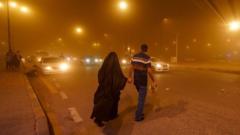
A massive sandstorm engulfing central and southern Iraq has resulted in alarming health consequences, with health officials reporting that over 1,000 people have developed respiratory problems. In Muthanna province, authorities indicated that at least 700 individuals experienced symptoms resembling suffocation due to the thick orange haze blanketing the region.Local media broadcast heart-wrenching footage depicting communities shrouded in dust, where visibility dropped to less than a kilometre. Consequently, several airports in Najaf and Basra had to suspend operations, and power outages disrupted essential services. Pedestrians, including security personnel, donned face masks to shield themselves from the choking dust, while paramedics were deployed to assist those struggling with breathing difficulties. Reports indicate that hospitals in Muthanna admitted approximately 700 cases of suffocation, while Najaf province saw over 250 cases, and Diwaniyah Province reported 322 patients, including children. Dhi Qar and Basra provinces recorded an additional 530 cases of respiratory issues.Climate experts express concern that the occurrence of such severe dust storms is on the rise, attributed to climate change, which Iraq faces with increasing frequency. The country's environment ministry anticipates a future with more of these "dust days," reflecting the harsh realities of living in one of the UN's five countries deemed most vulnerable to climate-related phenomena.In 2022, Iraq experienced a similar severe sandstorm, resulting in one fatality and over 5,000 seeking treatment for respiratory ailments. As local weather services predict gradual improvements in conditions by Tuesday morning, the need for comprehensive climate action becomes ever more urgent for Iraq's public health and well-being.