In brief
A Russian drone has reportedly struck the Chernobyl nuclear site, spurring concerns of potential radiation leaks and heightening international awareness of nuclear safety.
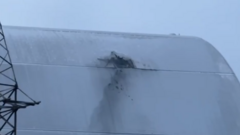
The overnight attack reportedly struck the protective covering of Chernobyl's damaged reactor, as confirmed by Ukrainian President Volodymyr Zelensky, referring to the incident as a deliberate act of aggression. The strike led to a fire in the area, which has since been extinguished without any casualties reported. The International Atomic Energy Agency (IAEA) claimed radiation levels both inside and outside the facility remain stable, but a representative cautioned that the risk of radioactive material leak now exists.Russia, however, has denied any involvement, asserting that its military refrains from targeting Ukrainian nuclear installations, labelling such claims as unfounded. Following the drone attack, the IAEA emphasized the importance of heightened vigilance, with director Rafael Grossi warning of the situation's seriousness while confirming adequate response measures were taken immediately after the explosion.The protective shield, a vital structure designed to encapsulate radioactive material from the 1986 disaster, stands 275 meters wide and 108 meters tall, and was constructed at a cost of $1.6 billion. Zelensky shared footage suggesting damage to the structure, raising alarms over possible consequences had the drone deviated further. Experts, including Prof. Jim Smith of the University of Portsmouth and Simon Evans from the European Bank for Reconstruction and Development, characterized the attack as reckless but expressed optimism over immediate radiation risks, asserting the shielding is designed to contain radioactive particles effectively.The incident additionally reflects escalating military tensions in the region, particularly surrounding the Zaporizhzhia Nuclear Power Plant, prompting concerns about potential nuclear incidents amid ongoing conflict. Zelensky's statements insinuating Russian intentions underscore the deteriorating diplomatic climate as international stakeholders contemplate the implications for peace in the region.