In brief
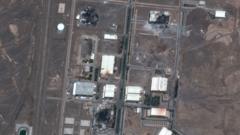
IAEA Director Rafael Grossi informed member states that only the above-ground structures of the Natanz plant suffered destruction but the critical underground facilities remain intact. Reports from the Isfahan site indicated damage to four buildings, including a uranium conversion facility, while the underground Fordo enrichment plant showed no impact. Despite the attacks, Grossi noted that radiation levels outside the plants were normal, but there are concerns over potential contamination. Iran maintains its nuclear program is peaceful, condemning the Israeli strikes as violations of international law.
Israel's military claims the assault aimed to dismantle Iran's capacity to produce weapons-grade uranium, citing an escalation in Iran's nuclear ambitions. Simultaneously, the conflict claims lives on both sides, raising alarms over an impending humanitarian crisis.---The head of the global nuclear watchdog, Rafael Grossi, provided an update on the situation at Iran's nuclear facilities post-Israeli strikes, indicating that critical underground sites remain undamaged. Grossi briefed the IAEA board of governors in Vienna, asserting that while the Natanz facility sustained significant above-ground damage, the underground components and radiation levels remained stable. The Israeli military, which claimed responsibility for the attacks, stated the strikes were conducted to thwart Iran's nuclear weapons development. Iran, on the other hand, has vehemently denied these allegations, insisting on the peaceful nature of its nuclear program and characterizing the Israeli actions as unlawful. These developments come amidst escalating tensions, with casualties mounting on both sides since the conflict reignited. Analysts warn that further military escalations could have dire consequences, including potential radiation hazards to civilians.