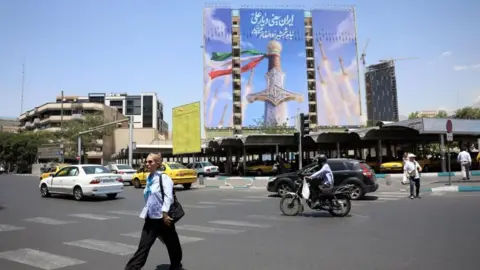
Italian journalist Cecilia Sala has been released after nearly a month of detention in Iran and is en route back to Rome, as confirmed by the Italian government. Sala, aged 29, was taken into custody on December 19, following the arrest of Iranian engineer Mohammad Abedini in Milan, who was suspected of providing drone technology tied to the deaths of U.S. soldiers.
Initial reports indicated that Sala had been held in solitary confinement at Tehran's notorious Evin prison. The circumstances surrounding her release remain unclear, though officials from Prime Minister Giorgia Meloni's office credited "intense work through diplomatic and intelligence channels" for her freedom. In a statement, Meloni expressed gratitude to those who played a role in securing Sala’s release and personally informed her family about the news.
According to reports from Ansa news agency, Sala's flight departed Tehran and was expected to arrive in Rome at approximately 15:30 local time. Her partner, Daniele Raineri, reported that he spoke with her shortly after her release, stating, “I spoke to her and she told me 'I'll see you soon', she was emotional and overjoyed.”
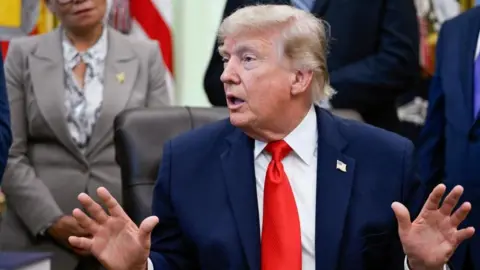
The growing public outrage in Italy following Sala's detention spurred significant media attention, particularly after her employer, Chora Media, revealed news of her arrest on December 27. Prime Minister Meloni is said to have been directly involved in her case and discussed it during a meeting with the incoming U.S. president, Donald Trump.
Though Iran initially claimed that Sala's detention was due to violations of its laws, U.S. officials suggested that her arrest could have been linked to Abedini's case, hinting that she may have been used as a "political leverage." Abedini is scheduled to appear in a Milan court on January 15. In recent statements, Iranian authorities have distanced the two cases from each other.
Giovanni Caravelli, head of Italy's foreign intelligence service, is reported to have traveled to Tehran personally to facilitate Sala's return. Her father, Renato Sala, expressed immense pride in his daughter and commended the government's efforts, describing the situation as a complicated "game of chess" with multiple players involved.