In brief
The recent Myanmar earthquake has not only caused substantial casualties and infrastructure damage domestically but also affected far-off locations like Bangkok. An explanation of tectonic activities, soil composition, and building safety standards sheds light on how a high-rise structure in the Thai capital collapsed due to seismic vibrations from miles away.
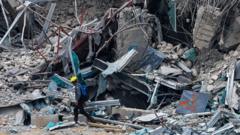
A significant earthquake rattled Myanmar on Friday, resulting in over 1,000 fatalities and widespread destruction across the nation. Despite being more than 1,000 kilometers (621 miles) from the epicenter, a skyscraper under construction in Bangkok succumbed to the seismic forces unleashed by the 7.7-magnitude quake.Understanding the cause of this destructive earthquake necessitates a look into tectonic plate movements. Myanmar sits atop the convergence of four major tectonic plates: the Eurasian, Indian, Sunda, and Burma microplates. The constant movement of these plates leads to significant geological activity, with Myanmar being classified as a highly seismic region.Geology experts explain that the earthquake resulted from a "strike-slip" movement where two blocks of the earth’s crust move horizontally past one another, particularly along the prominent Sagaing fault, which bisects Myanmar. This fault, measuring over 1,200 kilometers (746 miles), is capable of generating large seismic events due to the vast areas it encompasses.Further compounding the earthquake's impact was its shallow depth of just 10 kilometers from the surface, allowing seismic waves to travel quickly and intensify the shaking felt far away. The energy released during this earthquake was reportedly greater than that of the Hiroshima bomb, showcasing its immense power.Despite Bangkok being located far from seismic hotspots, the city felt the repercussions of the earthquake. The geology beneath Bangkok, characterized by soft soil, exacerbated the vibrations, causing them to amplify. Dramatic footage depicted other buildings swaying, but only the partially built headquarters for the auditor-general's office in Chatuhak district ultimately collapsed.Engineering assessments reveal that older buildings in Bangkok lacked stringent earthquake-resistance standards until 2009. Consequently, they would not have been designed to withstand significant seismic activity. However, the collapsed building was modern, designed under updated regulations but apparently employing a vulnerable 'flat slab' construction method. This technique minimizes support beneath floors, resulting in poor performance during earthquakes and failure often resembling an explosive collapse.As recovery efforts continue in both Myanmar and Bangkok, experts underscore the inherent risks of living near tectonic faults. Although Myanmar has been accustomed to earthquakes, a lack of enforced safety and design standards has rendered many buildings susceptible to seismic activity. In contrast, the unique geology of Bangkok has illustrated that even areas deemed low-risk are still vulnerable to the far-reaching effects of major earthquakes. As aftershocks loom, residents in both regions face continued uncertainty regarding the safety of their structures.