In brief
The legal team rests their case while insisting prosecutors failed to prove their allegations against the music mogul.
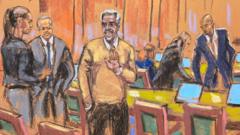
In a surprising turn of events, Sean "Diddy" Combs' defense team concluded their case in his ongoing sex trafficking trial within a swift 20 minutes on Tuesday, following nearly seven weeks of intense prosecution presentations in a New York court. This brief defense came after federal prosecutors completed their case earlier in the afternoon, presenting compelling testimony from over 30 witnesses.Combs' legal representatives contended that the prosecution had not met its burden of proof regarding any charges he faces, which include sex trafficking, racketeering, and transportation to engage in prostitution. Throughout the trial, Combs has maintained his innocence and declined to testify in his own defense, asserting, "It's my decision with my lawyers" not to take the stand.Before the judge, Combs expressed gratitude, thanking Judge Arun Subramanian for his conduct during the trial. The prosecution alleges that Combs exploited his celebrity status and business acumen to orchestrate a criminal enterprise aimed at the sex trafficking of women, with claims that he resorted to coercive tactics, including drugs and violence.In a strategic move, the defense opted not to call witnesses, instead introducing text messages exchanged between Combs and his ex-girlfriends, one identified only as "Jane." These messages aimed to portray these women as willing participants in sexual encounters dubbed "freak-offs" by Combs. Defense attorney Alexandra Shapiro asserted that the women involved were capable individuals who could have left their situations if they chose, aiming to undermine the prosecution's narrative that these encounters constituted forced sex acts. With closing arguments slated for later this week, the defense has directed its strategy towards reclaiming the narrative that domestic violence should not be conflated with sex trafficking.The trial continues to draw significant media attention, raising questions about the evidence presented and the fallout from this high-profile case involving one of music's most influential figures.