In brief
A recent study shows that mummified bodies from ancient Egypt still exude pleasant woody, spicy, and sweet scents, leading to innovative museum exhibit plans and insights for conservation efforts.
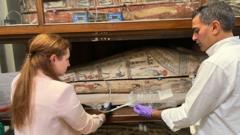
Ancient Egyptian mummies are often perceived through a dramatic lens, but a new study reveals that these ancient relics continue to carry delightful scents even after 5,000 years in their sarcophagi. Researchers examined nine mummies and discovered that although the intensity of the scents varied, all were characterized by appealing "woody," "spicy," and "sweet" notes.Cecilia Bembibre, a researcher involved in the study, expressed a desire to convey their sensory experience through a reconstructed scent that will be presented at the Egyptian Museum in Cairo. "We want to share the experience we had smelling the mummified bodies," she stated during an interview on BBC Radio 4's Today programme. This initiative goes beyond mere curiosity; it offers a fresh perspective on ancient funerary practices, where pleasant aromas played an essential role in preparing the deceased for the afterlife.Mummification in ancient Egypt often involved the use of oils, waxes, and balms, especially for pharaohs and noble figures. Contrary to popular cinematic portrayals of mummies, Dr. Bembibre noted the surprising pleasantness of these scents during their investigation. The study, published in the Journal of the American Chemical Society, utilized a non-invasive method by inserting a tiny tube into the sarcophagus to extract the scent, ensuring that the mummies were not disturbed.Experts highlight the importance of scent in ancient Egyptian social, religious, and personal practices. Ally Louks of the University of Cambridge praised the groundbreaking method of engaging the sense of smell to communicate historical narratives. "To engage your nose produces a strong emotional and physical reaction," she explained, underscoring the relevance of olfactory experiences in understanding cultural practices.Additionally, the research holds potential implications for mummy conservation by detecting scents linked to the breakdown of embalming materials, indicating when a mummy might be decomposing. Matija Strlič, another researcher, emphasized that these findings could assist conservators in optimizing the storage and preservation techniques for these ancient artifacts.As museums aim to create immersive experiences for visitors, the rekindled scents of ancient Egypt may transform how audiences engage with history, ultimately enriching our understanding of past civilizations.