In brief
In a viral video, King Misuzulu kaZwelithini vents fury at Queen Nomzamo Myeni, accusing her of an affair and threatening assault. Royal officials apologized for the pain and embarrassment caused, noting that the clip reflects past, not present, circumstances. The incident has ignited heated discussion online about polygamy, gender-based violence, and the ceremonial role of the Zulu monarchy. While Misuzulu's power is largely symbolic, his influence remains significant. The controversy highlights the clash between tradition and modern values in South Africa.
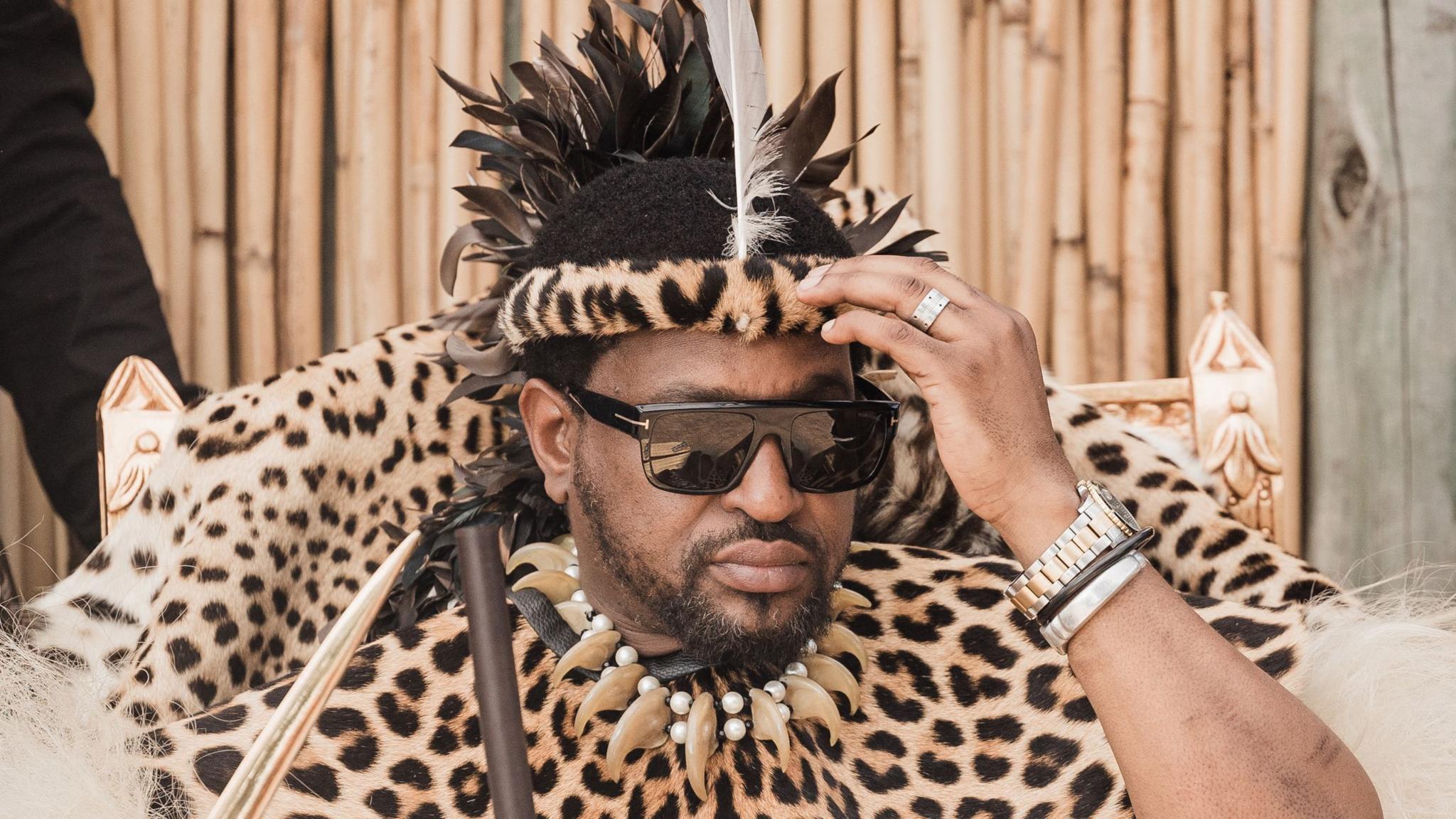
The Zulu community was shaken after a video surfaced showing King Misuzulu kaZwelithini hurling a tirade at his third wife, Queen Nomzamo Myeni.
In the clip, the king accuses the queen of having an affair, speaks of a “girlfriend waiting for him”, and explicitly says he wants her out of the house. He also alleges that she has been travelling without his permission, claiming that “when you’re a wife, you ask for permission.”
The queen, believed to be the person filming, remained silent until the end of the video, after which she noted: “This is the life I live, day and night,” in a statement posted by her personal account on social media.
Following the release, the royal household issued a statement on Friday, apologising for the “pain” and “embarrassment” caused by the outburst. The officials emphasised that the footage was historical and not representative of current royal household dynamics.
Misuzulu’s reign, while largely ceremonial, carries significant influence, supported by a multi‑million dollar government‑funded annual budget. His marriage to the queen, which was delayed last year due to a scandal involving his first wife, Queen Ntokozo kaMayisela, demonstrates the ongoing complexity of Zulu polygamous practices.
The incident has split social media discourse: some users accused the king of abusive behaviour, whereas others criticised the queen for airing intimate details publicly. South African journalist Asanda Magaqa commented that while filming private moments is generally discouraged, the queen likely felt compelled to document the confrontation. In her X post she stated: “No woman deserves to live like that.”
The footage also captured the king mentioning that he became a monarch through witchcraft, an anecdote tied to a year‑long family feud. Within Zulu society, patriarchy remains strong; women are often expected to comply with traditional gender norms. South Africa ranks among the world’s highest rates of gender‑based violence, a fact highlighted when the country classified GBV as a national disaster last year.
The controversy underscores the tension between heritage and modern human rights expectations, prompting citizens and commentators alike to scrutinise the role of royal culture in contemporary South African society.
For live commentary and crowdsourced fact‑checking, follow updates on X and engage in the PulseWire discussion forum. Read further on the historical context of the Zulu monarchy by visiting our related articles.