In brief
President Volodymyr Zelensky’s July 15 reshuffle, which appointed Yevhenii Khmara as acting defence minister and Major‑General Mykhailo Drapatyi as new commander‑in‑chief, was meant to quell the turmoil triggered by the removal of Mykhailo Fedorov. Yet street protests continue as Fedorov’s young supporters accuse Zelensky of sidelining a popular reformer. Political analysts argue that while Drapatyi’s modern, battle‑proven leadership could modernise Ukraine’s defences, the decision has only partially repaired the damage, with Fedorov’s reputation soaring in the wake of his dismissal. The crisis remains a reminder of the fragile balance between political manoeuvring and military readiness in a nation still pitted against Russia’s 12‑year invasion.
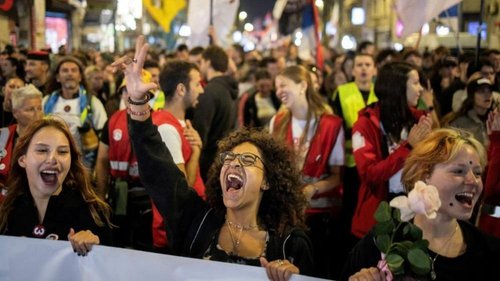
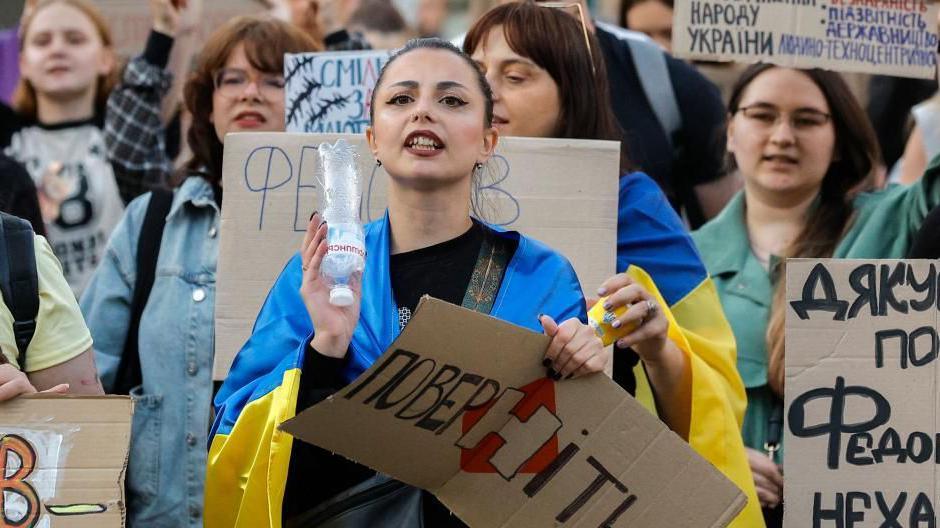
President Volodymyr Zelensky’s July 15 cabinet reshuffle, which appointed Yevhenii Khmara as acting defence minister and Major‑General Mykhailo Drapatyi as the new commander‑in‑chief, was designed to patch a political blister caused by the removal of Mykhailo Fedorov. That blister, however, keeps oozing. Protests from Fedorov supporters have kept rolling, demanding the reinstatement of the young minister, whom many credit with launching Ukraine’s drone dominance.
Fedorov himself has been adamant that alternatives offered by Zelensky – such as a deputy ministerial post – are insufficient, arguing that “you need a ministry with a budget to wield real authority.” He has even hinted at a presidential ambition, a claim that has been perceived as a power struggle.
While the new commander‑in‑chief is praised for being a modern, battle‑proven general, analysts point out that his appointment is only a partial fix. The broader problem stems from the politicised atmosphere that Zelensky’s previous decision created; not only does Fedorov’s popularity skyrocket, but young citizens are increasingly seeing any strength in politics as a figure of corruption.
“People want heroes,” says Servant‑of‑the‑People MP Oleksandr Merezhko, noting that the opposition’s frustration is largely fueled by the tendency to simplify complex military issues into a binary between drones and a generals’ drive for pro‑combat stances.
Experts agree that Ukraine remains resilient on the battlefield, with drones and robotic warfare filling a strategic gap, yet the political damage to Zelensky’s authority continues to fester. The need to move beyond this toxic episode—planted in the January–February instability—remains urgent, especially as the country braces for weather‑induced logistical challenges and Russian pressure on its energy grid.
In short, Zelensky's attempt to restore stability by rescheduling key military positions has only rediscovered layers of public discontent and an ongoing political tug‑of‑war that threatens to derail his broader war strategy.