One week after a tragic militant attack near the scenic resort town of Pahalgam in Indian-administered Kashmir, which took the lives of 26 individuals—many of whom were tourists—the atmosphere remains tense but hopeful as a few visitors trickle back. Once bustling, the main high street appeared desolate following the attack; however, some signs of life have emerged as shops and hotels start to reopen.
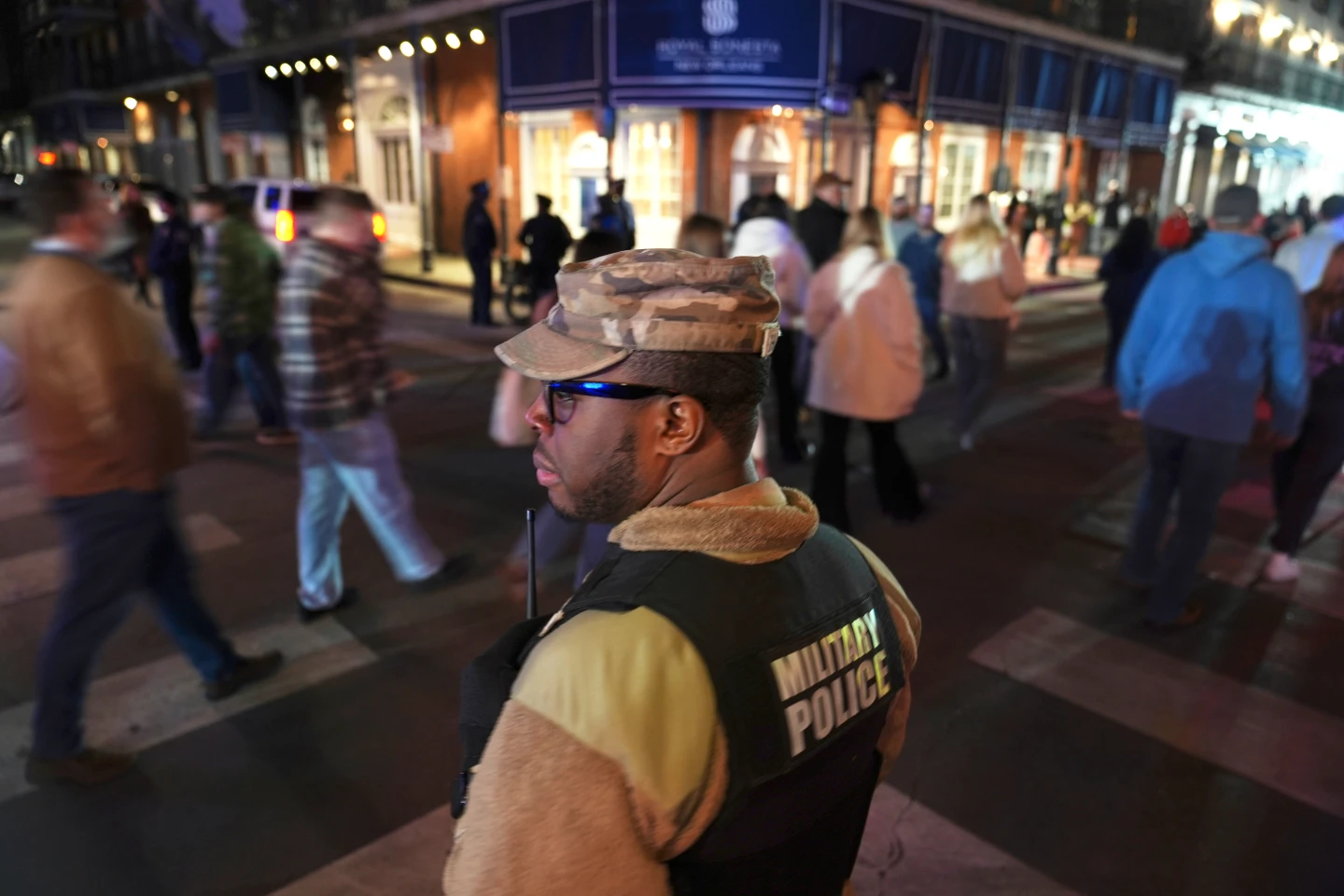
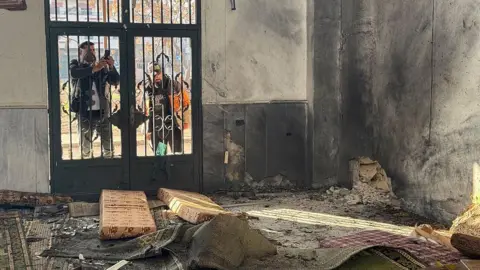
Last Tuesday, armed militants launched an assault on tourists enjoying the idyllic Baisaran meadows, roughly three miles from Pahalgam. This attack is marked as one of the most severe in recent history, sending shockwaves through the community and intensifying anger across India. Tensions in Kashmir, a region long caught in conflict between India and Pakistan, have surged, with both nations calling for military retaliation. The Indian authorities have since imposed restrictions, closing many tourist sites while conducting security operations.
The threat of violence targeting civilians has historically been low, which makes this attack particularly disturbing for residents and businesses that depend heavily on tourism. Akshay Solanki, a visitor from Mumbai, expressed the collective fear shared by him and his travel group during the assault but stated they opted to stay because returning home was financially unfeasible. Many tourists noted that local reassurances from community members and the presence of security forces eased their concerns.
Local shop owners, including shawl-seller Rafi Ahmed, are anxious about their futures; he reported a significant drop in sales and voiced fears that a decrease in tourism could jeopardize their livelihoods. Prominent figures, such as Bollywood actor Atul Kulkarni, urged potential visitors to maintain their plans, arguing that staying away would only serve the militants’ intentions.
While tourist numbers are slowly rebounding, the road to recovery seems long. Local business owners and residents conveyed that complete normalcy could take years to restore. In the meantime, Indian forces have conducted widespread searches, detaining numerous suspects and demolishing properties linked to alleged militants, adding to the uncertainty of safety in the region.
The existing tensions have raised questions about the future of developmental projects in the area, such as the eagerly awaited inauguration of a major rail bridge set to link Kashmir with the rest of India. With rising fears that another round of violence might erupt, investors are likely to be hesitant to commit resources.
In a recent assembly address, Jammu and Kashmir’s chief minister, Omar Abdullah, mourned the victims of the attack, highlighting the profound impact it has had not only on the families affected but on Kashmir as a whole. His heartfelt speech focused on the loss felt by many families and emphasized the long-lasting scars this incident has left on the local community and its tourism-dependent economy.
Last Tuesday, armed militants launched an assault on tourists enjoying the idyllic Baisaran meadows, roughly three miles from Pahalgam. This attack is marked as one of the most severe in recent history, sending shockwaves through the community and intensifying anger across India. Tensions in Kashmir, a region long caught in conflict between India and Pakistan, have surged, with both nations calling for military retaliation. The Indian authorities have since imposed restrictions, closing many tourist sites while conducting security operations.
The threat of violence targeting civilians has historically been low, which makes this attack particularly disturbing for residents and businesses that depend heavily on tourism. Akshay Solanki, a visitor from Mumbai, expressed the collective fear shared by him and his travel group during the assault but stated they opted to stay because returning home was financially unfeasible. Many tourists noted that local reassurances from community members and the presence of security forces eased their concerns.
Local shop owners, including shawl-seller Rafi Ahmed, are anxious about their futures; he reported a significant drop in sales and voiced fears that a decrease in tourism could jeopardize their livelihoods. Prominent figures, such as Bollywood actor Atul Kulkarni, urged potential visitors to maintain their plans, arguing that staying away would only serve the militants’ intentions.
While tourist numbers are slowly rebounding, the road to recovery seems long. Local business owners and residents conveyed that complete normalcy could take years to restore. In the meantime, Indian forces have conducted widespread searches, detaining numerous suspects and demolishing properties linked to alleged militants, adding to the uncertainty of safety in the region.
The existing tensions have raised questions about the future of developmental projects in the area, such as the eagerly awaited inauguration of a major rail bridge set to link Kashmir with the rest of India. With rising fears that another round of violence might erupt, investors are likely to be hesitant to commit resources.
In a recent assembly address, Jammu and Kashmir’s chief minister, Omar Abdullah, mourned the victims of the attack, highlighting the profound impact it has had not only on the families affected but on Kashmir as a whole. His heartfelt speech focused on the loss felt by many families and emphasized the long-lasting scars this incident has left on the local community and its tourism-dependent economy.