In brief
The recent turmoil in Iran poses a new threat to India's energy supply, particularly its burgeoning piped natural gas (PNG) network critical for households and industries. While immediate disruptions may not occur, the risk of increased prices looms as supply chains are scrutinized. India relies on a mix of domestic and imported liquefied natural gas, with half of its supply from local sources and the rest imported. Experts suggest while households may continue to receive gas, the cost could rise significantly amidst the geopolitical tension.
As the Iran war adversely affects global markets, India's energy landscape faces scrutiny, particularly its rapidly expanding network of piped natural gas (PNG). With increasing demand from industries and households, the question arises: could urban kitchens see a supply squeeze?
Currently, more than 15 million homes in India benefit from PNG connections, a figure rising as households transition from cylinders to piped gas. Despite the mounting pressures, immediate disruptions are deemed unlikely. India’s gas supply blends domestic production with imported liquefied natural gas (LNG), with half sourced locally.
However, the geopolitical situation raises concerns. Experts warn that while the government prioritizes supplies for domestic use, potential supply cuts loom for industries as some clients face a mandated reduction. Without strategic reserves for LNG, interruptions in supply could result in price hikes for consumers, shifting the burden onto households while industries absorb deeper cuts.
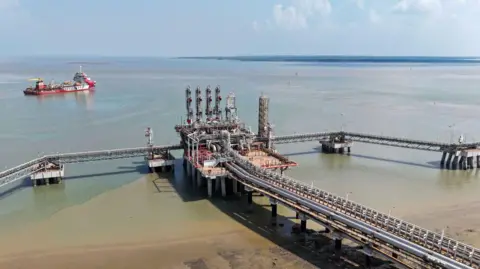
Despite possible disruptions ahead due to conflicts affecting shipping routes in the Strait of Hormuz, current LNG cargoes have not been impacted. Most imports stem from long-standing contracts with Qatari suppliers, making India highly reliant on the stability of this maritime route. As international tensions escalate, urban consumers may soon feel the financial strain of a volatile gas market.