In brief
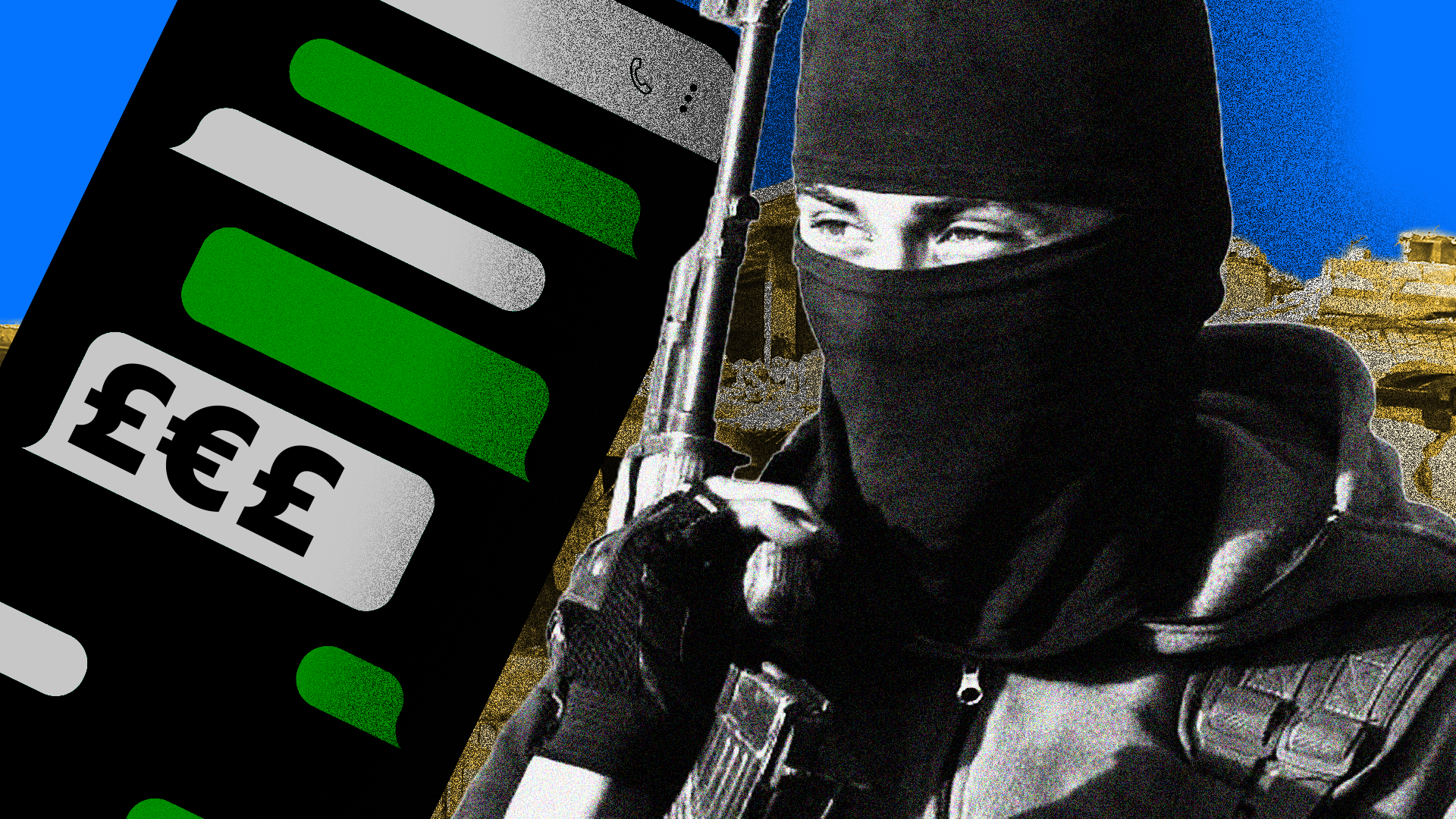
A 532‑member WhatsApp chat called "Traders of Greater Europe" was used to orchestrate anonymous, paper‑trail‑free transfers of more than €300 million across borders. The network, uncovered by Belgian investigators, sent cash to UK cities and even to Islamic State militants in Syria. European broadcasters, through the EBU investigative network, uncovered similar Hawala‑based schemes linked to drug trafficking, people smuggling and human trafficking across Austria and beyond. Ban on normal banking routes, these transactions evade swift monitoring, highlighting a global, transnational crime network operating in secret.
Over 82,000 private messages in a single WhatsApp group sent between February and December 2022 revealed a clandestine network that moved hundreds of millions of euros without leaving a paper trail. Known as "Traders of Greater Europe", the 532‑member chat was used to arrange cash transfers across borders, including to UK cities such as Birmingham and London.
A Belgian investigating magistrate, Vincent Guerra, first uncovered the group during a terror‑financing probe. He described the volume of transactions as “staggering” and noted the network spanned the entire planet, turning an initial case on extremism into a discovery of a broader criminal infrastructure.
The WhatsApp messages were written in Arabic and used the traditional Hawala system – a trust‑based couriers network that avoids banks and electronic records. Hawala can legitimately help migrants send money back home, but it is also exploited for crime because it bypasses the swift monitoring that banks apply to large transfers.
Investigators found that the chat reserved payments above €5,000, with many transactions far larger. While not every participant was guilty, evidence suggested that several members brokered, and paid for, cash transfers to extremist groups, drug traffickers and even human‑smuggling operations across Europe.
During a 2024 Belgian court case, six money‑launderers, including Abu Adam and Abu Ahmed, were convicted. Police seized the chat on Abu Adam’s phone, along with 6,000 photos of €5 notes showing serial numbers and 6,000 ID cards – the unique codes used in Hawala transactions. The picture inventory points to at least 12,000 individual payments.
Frank, a former Hawala operator, told the EBU that he facilitated several hundred million euros in transactions. He highlighted the link not just to money, but to financing terrorism, drug trade, prostitution and other illegal activities.
In Austria, authorities dismantled a Hawala office operating out of a kebab restaurant in Vienna that was used for people‑smuggling payments. Two Syrian brothers running the operation were convicted of human trafficking and torture, receiving 18 and 8‑year sentences. The prosecution claimed the hawala system was used to green‑light torture by sending ransom demands to families of trafficked migrants.
Police commander Quentin Mugg confirmed that Hawala remains the primary vehicle for organised crime money‑laundering worldwide, noting how the system is indifferent to the source of funds, be it migrant savings or illicit proceeds.
The EBU investigative network – which includes the BBC, VRT, and ORF – now has a clearer picture of a sprawling, underground money‑transmission network that helps supply organised crime and extremism. Their findings underscore the need for tighter oversight and real‑time monitoring of informal money‑transfer systems across Europe and beyond.