In brief
According to the European climate service, 2024 is set to register global average temperatures over 1.5C above pre-industrial levels, marking a historic event concerning climate change.
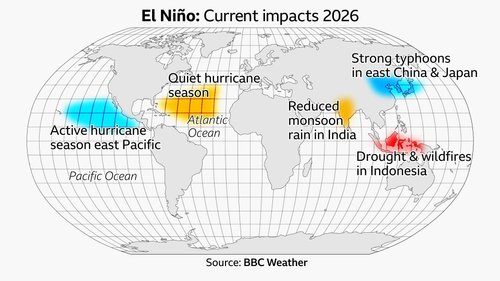
As intense heatwaves and severe storms characterize 2024, projections from the European climate service suggest it is “virtually certain” that this year will be the warmest in recorded history. With global average temperatures anticipated to exceed 1.5°C above pre-industrial levels, 2024 stands to become the first calendar year to surpass this crucial threshold, a symbol of the increasing impacts of human-induced climate change.The Royal Meteorological Society's chief executive, Liz Bentley, emphasizes this alarming trajectory, warning that the upcoming UN climate conference in Azerbaijan, COP29, must catalyze decisive governmental actions to curtail further warming. She added, "This latest record sends another stark warning to governments at COP29 of the urgent need for action to limit any further warming."Throughout the initial ten months of 2024, global temperatures have remained significantly elevated, indicating that only an unlikely sharp decline in temperature over the final weeks of the year could avert a record. Current data from the European Copernicus Climate Change Service estimates that 2024 will conclude at least 1.55°C hotter than the pre-industrial benchmark period (1850-1900), a timeframe preceding substantial human activities that have ramped up global temperatures through fossil fuel combustion.Should 2024 indeed become record-setting, it would replace last year's 1.48°C—an indicator of a worrying trend. Samantha Burgess, Deputy Director at Copernicus, described the situation as a significant milestone. Breaching the 1.5°C mark for a single calendar year adds pressure against the longstanding goals established under the 2015 Paris Agreement, which aimed to limit global temperature increases to this level in an effort to mitigate the severest projections of climate change.However, it’s important to note that a single year's exceedance does not equate to a failure of the Paris Agreement, which considers a 20-year average to account for natural variability. Nonetheless, this alarming year-on-year rise amplifies concerns about the world potentially hitting an average 3°C increase by century's end based on current non-compliant climate strategies.Compounding this scenario is the ongoing influence of the El Niño weather pattern, which has kept temperatures elevated since mid-2023. While this pattern has recently ended, global average temperatures have continued to peak beyond historical norms, exhibiting new records almost daily, according to Copernicus. There's speculation about an approaching La Niña phase, which could bring short-term cooling—but the broader trend suggests that with rising greenhouse gas emissions, new temperature records could be on the horizon.Climate scientist Ed Hawkins noted, "The warmer temperatures are making storms more intense, heatwaves hotter, and heavy rainfall more extreme, with clearly seen consequences for people worldwide." He reiterated that achieving net-zero emissions is critical to defuse the escalating costs of climate disasters.