In brief
Indonesia’s Borneo wildfires have turned vast peat swamps into sizzling carbon bombs, releasing methane, carbon‑dioxide and toxic carbon monoxide. Volunteer firefighters, many from Dayak and Banjar communities, work tirelessly to douse the fires, building ponds and irrigation lines in bone‑dry ground while coughing smoke that reaches across Southeast Asia. The crisis, rooted in decades of peatland drainage for plantations, has caused thousands of respiratory cases and two volunteer deaths. While large industrial actors drain the swamps, local fire‑fighters shoulder the burden. With water shortages and persistent re‑ignitions, the front lines need urgent global attention.
Indonesia’s Borneo is on fire. The island’s peat swamps—thousands of kilometres of water‑logged forests—have erupted into burning carbon bombs, releasing copious amounts of methane, carbon‑dioxide and carbon monoxide that now haze cities from Jakarta to Kuala Lumpur.
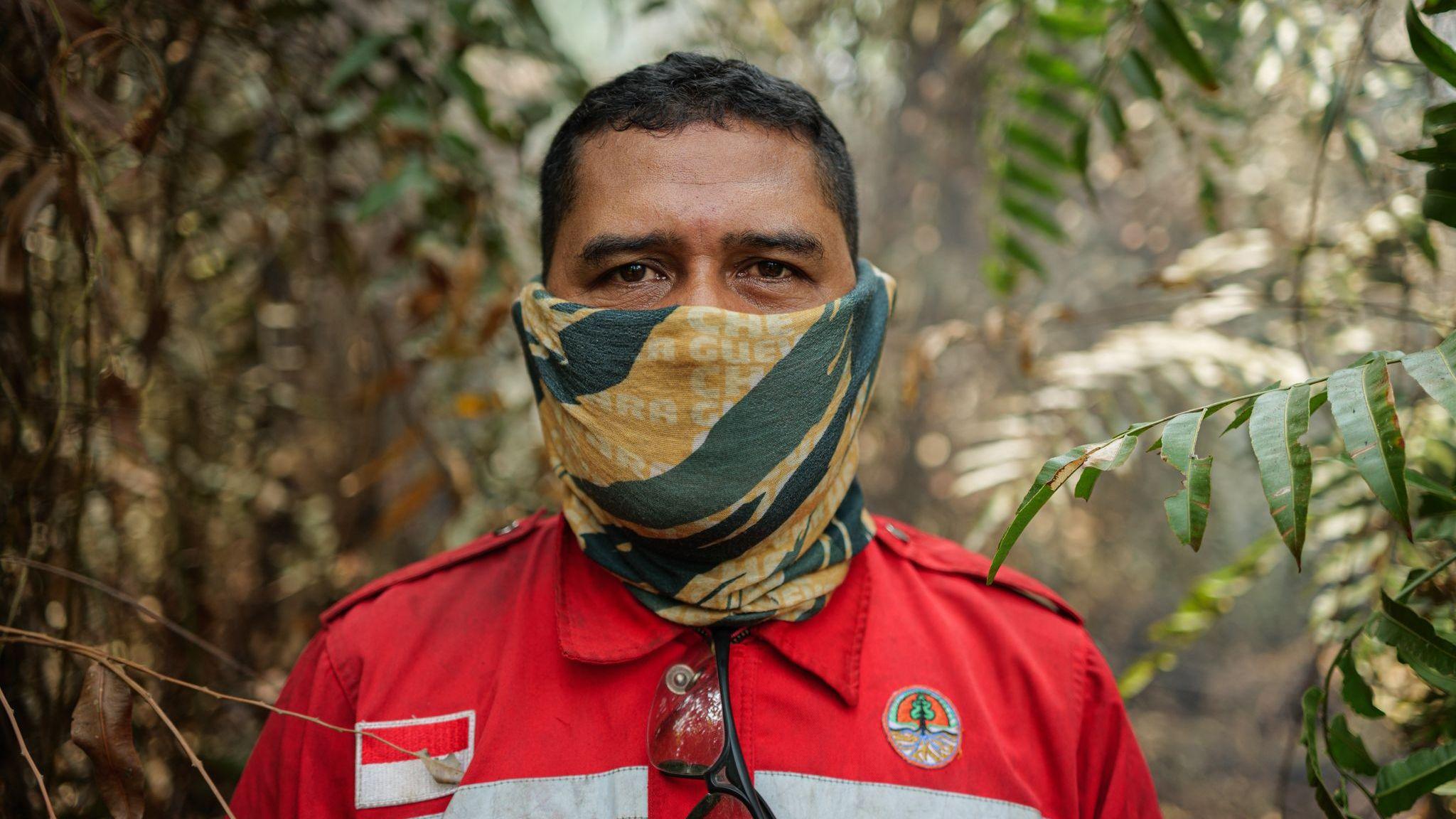
Volunteers from the Dayak and Banjar peoples, many wearing simple red firefighting gear, roll up their sleeves to fight the blaze that licks the ground and appears to be an unstoppable foe. With hand pumps, ropes and improvisational canals, they trap and drown the fires in their own dry peat‑rich soils.
The fires’ smoke has turned local air quality to “unhealthy” levels, with over 50,000 recorded cases of respiratory illness—12,000 of them children under five—between July and August. Hospitals across the region have reported a spike in admissions for asthma, bronchitis and other carbon‑related ailments.
While smoke fills the skies, the true driver of the crisis is deep peat that’s been drained for palm oil plantations and other monoculture agriculture. The drainage dries the swamps, turning them from carbon‑sinks into combustion‑candidates, and the fires that follow are the worst manifestation of that chronic carbon leak.
A short two‑day nap of rain took a break when some volunteer firefighters had to dig bores to keep their hoses alive, venturing within stone’s throw of a blaze that can re‑ignite every time the ground dries.
In the village where the volunteers live, the fear of re‑ignition and the memory of fire‑fatigue linger. "We are tired, but our duty is paramount," says one volunteer, hopeful that a drop of rain will ease their strain.
The fires have also shifted the balance of Borneo’s ecosystem. The former landscapes were part of Indonesia’s largest tropical peatlands, whose depth can exceed 20 metres, storing more than 6,000 tonnes of carbon—a figure equivalent to thousands of cars’ annual CO₂ output—per hectare.
What does this mean for the rest of the world? The smoke that carries methane and carbon monoxide crosses borders, turning the islands into sources of high‑leveled pollution for cities across Southeast Asia. Environmentally, it’s a reminder that protecting peatlands is not just a local concern but a frontline against global warming.
A confirmed death within the volunteer ranks—and a visible fear in the eyes of their partners from various regions—underscores the human cost. Volunteers are standing as a shield against the blaze while the state’s response lags behind the urgency of the situation.
The fire’s reach underscores the need for international cooperation and resources to manage water, firebreaks and long‑term peat‑land restoration. Until then, the volunteers’ candlelit sacrifice will remain a stark reminder of the precarious balance between forest conservation and industrial expansion.