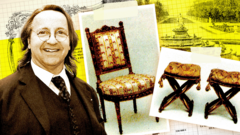
In the early 2010s, two elegant chairs purporting to have graced the Palace of Versailles appeared on the French antiques market, claiming to be the most valuable creations made for Marie Antoinette, the last queen of France before the revolution. Bearing the distinguished seal of Nicholas-Quinibert Foliot, an esteemed cabinetmaker of the 1700s, these pieces quickly garnered attention. Declared "national treasures" by the French government in 2013 on the palace's recommendation, Versailles contemplated buying them but found the asking price too steep. Ultimately, the chairs were sold to Qatari Prince Mohammed bin Hamad Al Thani for a staggering €2 million (£1.67 million).
This wasn't an isolated incident; several other items of royal furniture from the 18th century surfaced in the market during that period. These included chairs linked to Marie Antoinette and Madame du Barry, alongside notable pieces from King Louis XVI's family. Most of these replicas were acquired by Versailles for its museum collection, while some gems found their way to elite collectors, such as the Guerrand-Hermès family.
However, by 2016, it was revealed that these exquisite chairs were nothing more than high-quality fakes, launching a scandal that rocked the French antiques trade. Leading experts, Georges "Bill" Pallot and cabinetmaker Bruno Desnoues, faced fraud and money laundering charges after an extensive nine-year investigation. Alongside them, Laurent Kraemer and his gallery were also implicated for selling the counterfeit items, a charge they refute.
The fraud began humorously when Pallot and Desnoues decided to replicate an armchair they were restoring and realized they could convincingly produce copies. As they honed their skills, they created more pieces, using sourced materials and imitating historical styles, even stamping these with fake certifications from notable craftsmen of the era.
Prosecutors allege the two orchestrated a scheme netting over €3 million while maintaining the figures less than €700,000, which was concealed through foreign bank accounts. Pallot capitalized on his close ties with Versailles to gain access to vital documentation about royal furniture inventories, which ultimately led to his deception of the institution.
Significantly, the fraudulent activities came to light when a Portuguese man, living lavishly on modest income through illegal dealings, caught the authorities' attention. This led to revelations about the furniture fraud and implicated the high-profile experts.
Charges against other accused middlemen eventually dropped, but allegations of gross negligence against Kraemer and his gallery were upheld, emphasizing their failure to verify the authenticity of the high-priced items sold to collectors like Versailles and the Qatari prince. While lawyers for Kraemer's gallery argue against any complicity in the fraud, maintaining their victim status, the case has raised concerns about the art market's regulatory standards and accountability measures.
As the trial unfolds, the repercussions of this significant fraud continue to ripple through the French antiques community, prompting a reevaluation of trust, expertise, and the verification processes that underpin one of the most illustrious sectors of cultural heritage.