Unlocking Rural Votes: Democrats' Quest for Engagement in North Carolina
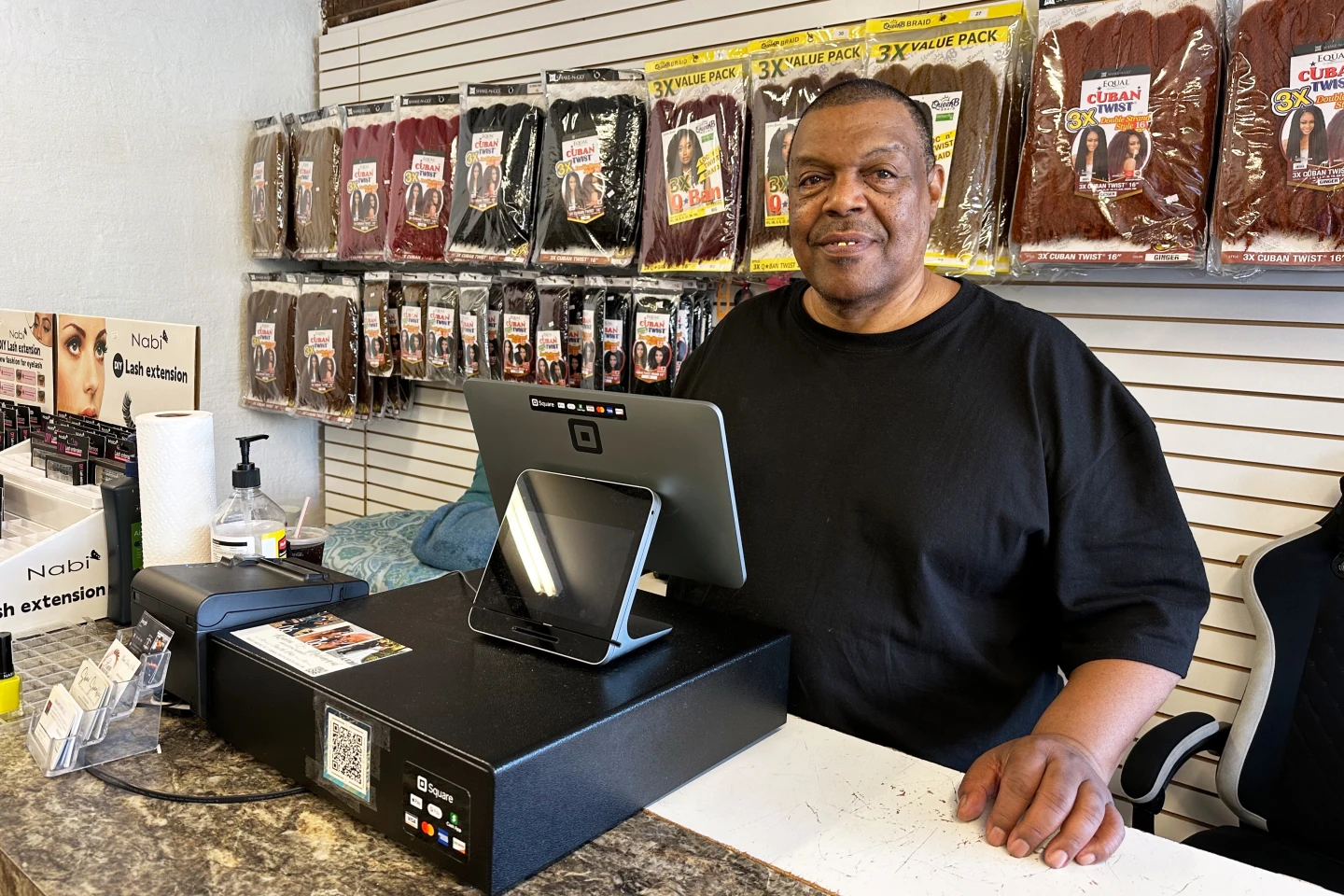
NASHVILLE, N.C. (PulseWire) — Ricky Brinkley, a long-time resident of rural North Carolina, articulates a sentiment that resonates within his community: a feeling of being overlooked during election cycles. This 65-year-old father of three, who manages a beauty supply store, reflects a wider concern among rural Black voters regarding their representation and the need for greater engagement from political figures.
“People don’t come out like they should and ask you how you feel about things,” Brinkley stated while on duty at the store, emphasizing the disconnect between politicians and local constituents. “You want somebody to vote, but you don’t want to do nothing to get the vote.”
This year’s elections present an urgency for the Democratic Party as they seek to draw out support from this demographic, which traditionally leans Democratic yet often underperforms in voter turnout compared to their urban counterparts.
Democrats Target Rural Outreach
The party hopes to capitalize on increased turnout from rural communities to bolster candidates including former Governor Roy Cooper in the U.S. Senate race. “You don’t win this state in Durham,” remarked Reverend James Gailliard of Rocky Mount, revealing the strategic importance of rural areas in securing victory.
Democratic Party Chair Anderson Clayton is adamant about expanding outreach to rural Black voters. “In my vision of a Democratic Party, reaching out to rural voters means connecting with rural Black voters,” she affirmed.
The Challenges Ahead
North Carolina Democrats are fighting against both historical trends and current electoral strategies that have marginalized rural outreach. The vocal concerns of community leaders like Gailliard illustrate the need for targeted, grassroots efforts. As he recalls attempts to secure visits from key figures, he noted, “I couldn’t get any traction,” further emphasizing the need for logistical support and sincere engagement from the party.
Clayton acknowledged that sustained outreach would require significant investment from national party leaders, advocating for more resources to mobilize local efforts and build community trust.
The Path Forward
With historic patterns showing low turnout among Black voters in rural counties, an increase of even a few percentage points can sway elections. The signs are clear: establishing genuine connections is vital. “Black and rural voters are not transactional; they are relational,” Gailliard pointedly expressed.
As the November elections approach, both Clayton’s party and community members like Brinkley hope to change the narrative. “I could,” Brinkley mentioned of his potential to vote this election, underscoring the persistent hope woven through the challenges faced in rural communities.