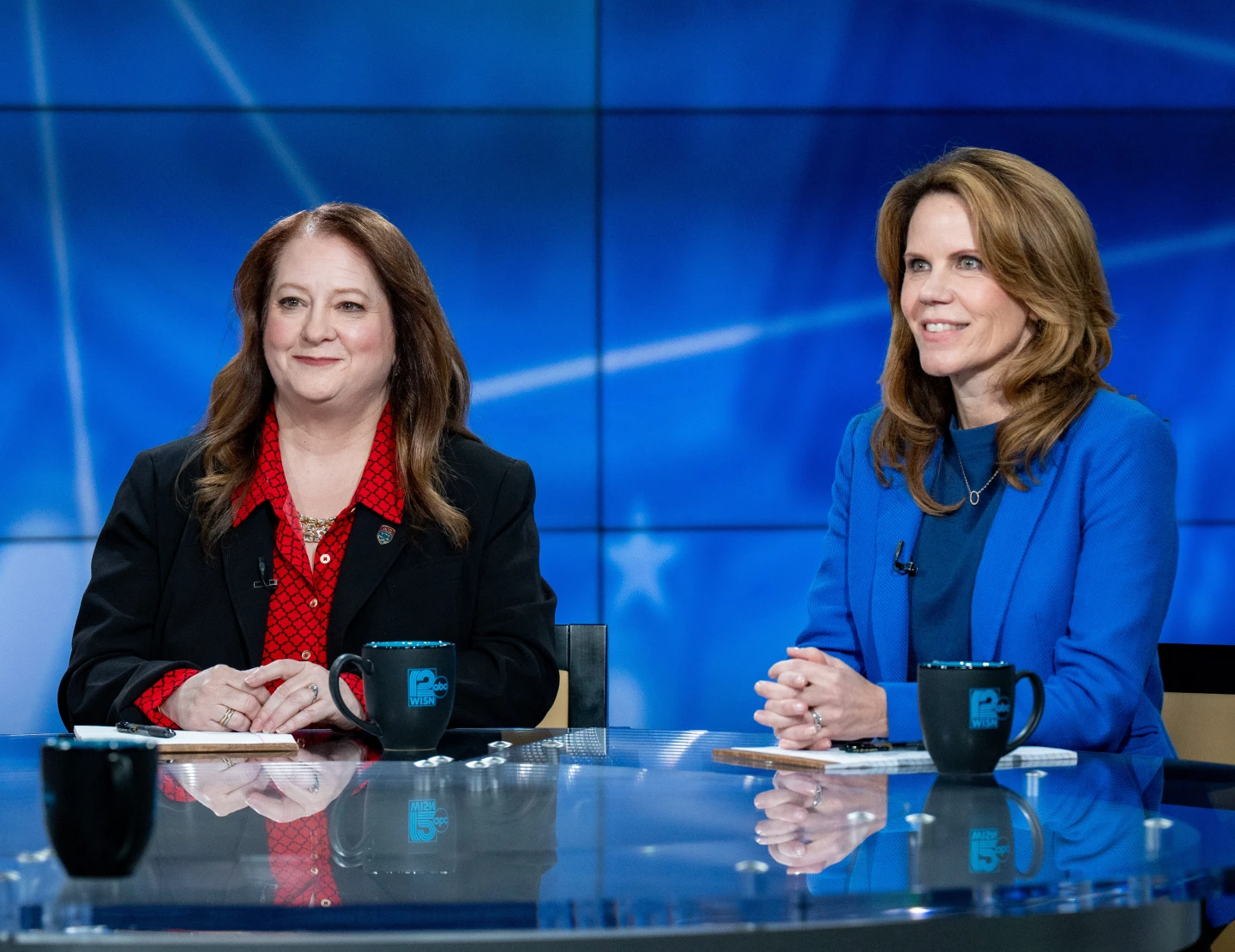
MADISON, Wis. (PulseWire) — In a pivotal election, Democrats in Wisconsin are working to increase liberal control of the state Supreme Court with a focus on abortion rights, redistricting, and various contentious issues that affect the state. Chris Taylor, a former state lawmaker and Planned Parenthood employee, is running against Maria Lazar, a Republican-backed Appeals Court judge, in a race that could significantly define the court's future.
Unlike previous high-stakes elections where massive spending and attention dominated, this election has seen a notable decrease in focus both in funding and national attention, as the stakes are considerably different this time. Democrats hope to solidify their control in anticipation of the upcoming November elections, where they aim to maintain the governorship and challenge Republican-led majorities in the state Legislature since 2011.
Should Taylor win, the liberals would secure a 5-2 majority, locking in their influence until at least 2030. The liberal court has already reversed multiple Republican-backed laws since gaining control last year, suggesting that Taylor’s election could symbolize broader implications for liberal policies in redistricting and abortion rights.
In light of the ongoing debate over abortion, Taylor’s campaign has branded her opponent, Lazar, as an advocate for right-wing extremism while Lazar accuses Taylor of partisan bias. Both candidates have attempted to cast the other’s campaign as politically motivated, making the race particularly contentious.
With significant funds backing Taylor's campaign, she has outpaced Lazar in advertising expenditure nearly ninefold, raising questions about the effectiveness of Lazar's campaign strategy.
This Supreme Court election not only serves as a critical moment in Wisconsin's political landscape but may also set the tone for future judicial decisions impacting issues ranging from electoral integrity to abortion rights. As the state gears up for November's elections, all eyes are on the outcome of this race, given the potential ramifications for the judicial landscape in Wisconsin.