In brief
The Uffizi Galleries, one of Italy's most renowned art museums, has acknowledged a cyber-attack on its IT systems without any damage or theft of artworks. In light of increasing security concerns followed by previous high-profile museum heists, the Uffizi insists that their security systems were not compromised and that internal protocols remain robust. The attack reportedly involved the extraction of sensitive data, leading to a ransom demand, yet museum authorities maintain the integrity of their protective measures.
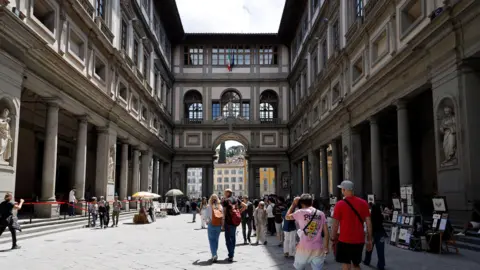
The Uffizi Galleries in Florence have confirmed they were subject to a cyber-attack but denied that the security systems protecting their famous works had been compromised. The Uffizi stressed that nothing had been either damaged or stolen after hackers were reported to have infiltrated the museum's IT systems and accessed sensitive security data.Italian newspaper Corriere della Sera reported that hackers had infiltrated the museum's IT systems, allegedly extracting access codes, internal maps, and the locations of CCTV cameras and alarms, before issuing a ransom demand. However, the Uffizi contested this account, asserting that its security systems were inaccessible from the outside.The attackers appeared to have moved through interconnected systems, computers, and phones, piecing together a detailed picture of the museum's operations, according to reports. A ransom demand was sent to museum director Simone Verde's personal phone, threatening to sell the data on the dark web.Home to celebrated artworks like Botticelli's Birth of Venus, the Uffizi clarified that the attack occurred on 1 February and affected not only their main gallery but also the separate sites at Palazzo Pitti and the Boboli Gardens. The museum had already been reassessing its security protocols following incidents like the Louvre museum heist last October.The Uffizi emphasized its security measures, stating they’ve replaced analogue cameras with digital technology per police recommendations made in 2024. The museum refuted claims that hackers had acquired maps of the security systems, maintaining that there was no evidence supporting those assertions.In response to concerns, the Uffizi asserted that no passwords were stolen, emphasizing their completely internal and closed-circuit security structure. It stressed that its photographic archive had a backup in place, ensuring no data loss.Despite this incident, the museum remains open to visitors, with ticketing unaffected and operational areas largely intact. Approximately €60 million in revenue is generated annually from attendance at the Uffizi, Italy's second-most visited museum after the Vatican.