In brief
The Louvre identified a water leak from a heating pipe that damaged Charles Meynier's ceiling painting, 'The Apotheosis of Poussin, Le Sueur, and Le Brun', in the Duchâtel room. This incident follows another recent leak that damaged valuable books and ongoing scrutiny regarding museum security after a high-profile jewel heist.
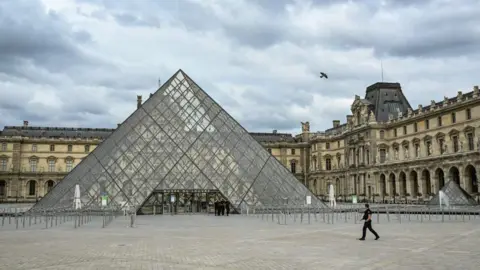
A water leak at the Louvre has caused damage to a 19th Century ceiling painting, in the latest major setback for the Parisian museum.
Water damage was discovered in room 707, also known as the 'Duchâtel' room, late on Thursday night, the museum said. The room houses multiple 15th and 16th Century artworks.
The museum noted that the leak, originating from a heating pipe, was stopped shortly after midnight, causing damage only to Charles Meynier's 'The Apotheosis of Poussin, Le Sueur and Le Brun'.
This incident comes just one day after French police reportedly detained nine individuals, including two museum staff members, over a suspected ticket fraud scheme.
Museum management is facing increasing scrutiny following recent incidents, including a high-profile theft of French crown jewels and significant damages to hundreds of items from prior leaks.
The Louvre indicated that the leak occurred at the entrance to the paintings department in the Denon wing, with firefighters responding 'immediately' to mitigate the incident.
Initial assessments by a painting restorer revealed that the ceiling painting has 'two tears in the same area' and damages to the paint layer. The artwork, completed in 1822, is significant as it portrays celebrated French painters among angelic figures.
Rooms surrounding this painting have been temporarily closed but are expected to reopen soon. Fortunately, a chief architect's evaluation confirmed that there are no structural problems related to the leak.
Despite these assurances, the museum's maintenance issues are raising concerns, particularly after a series of problems affecting its infrastructure and security protocols.
Last December, a separate leak caused extensive damage to 300-400 valuable books in the Louvre's Egyptian department, with investigations revealing that maintenance issues had been known for years. Following these leaks, the Louvre has also experienced incidents prompting partial closures of galleries and a significant jewellery heist that highlighted vulnerabilities in its security measures.
Such ongoing difficulties, including excessive financial allocations towards new acquisitions at the expense of building maintenance, have led to critical assessments of the museum's management strategies.