In brief
The U.S. freight railroads have received approval from the Federal Railroad Administration to decrease their manual track inspections from twice a week to once a week, citing the effectiveness of automated inspection technology. Unions, however, argue that this reduction could increase the risk of derailments as human inspectors are better at spotting certain defects that technology may miss. Railroads assert that technology has proven more effective at identifying track geometry defects and will allow inspectors to focus on more critical areas.
The nation’s freight railroads will now rely more on technology for track inspections after receiving approval from the Federal Railroad Administration (FRA) to lessen in-person inspections. This decision comes as railroads claim that advances in automated inspection technologies significantly enhance safety.
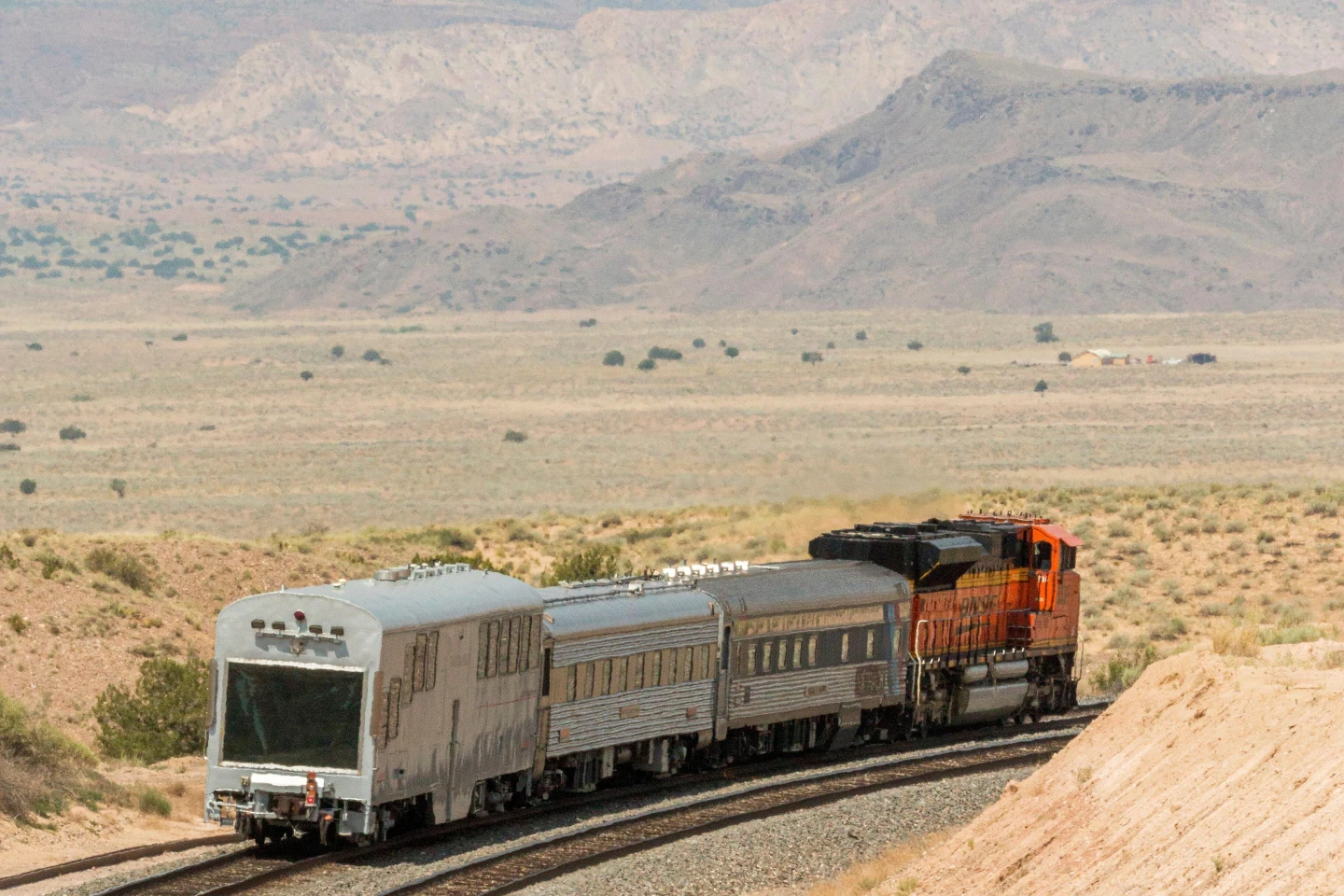
The Association of American Railroads highlighted that the technology can effectively spot potential issues, allowing for longer intervals between human inspections. BNSF and Norfolk Southern's recent tests revealed improved safety even with inspections reduced from once every two weeks to once a month, forming the basis of their waiver request approved on Friday.
While the FRA agreed to reduce the frequency of inspections to once per week, it emphasized that any serious defects must be addressed immediately, and all other identified faults must be resolved within 24 hours.
Concerns Raised by Unions
Despite the advancements, the Brotherhood of Maintenance of Way Employes Division, representing track inspectors, expressed concerns that automated systems lack the capability to detect various issues such as shifting rock beneath the tracks, vegetation encroachment, and subtle visual defects.
Tony Cardwell, the union's president, stated, “These are everyday defects across the entire country... that cannot be detected by this machinery.” While acknowledging some benefits of automated systems, Cardwell emphasized the importance of human inspectors, who often notice subtle changes in their territories through frequent inspections.
Railroads Defend the Technology
Railroad companies counter that while certain defects may go unnoticed, symptoms of those issues manifest in the overall track geometry. Mike Rush, senior vice president of safety and operations at the Association of American Railroads, stated the technology provides an ultimate performance metric of track maintenance.
BNSF's tests over two years indicated that automated inspections detected significantly more defects compared to manual inspections, creating a case for reduced frequency of human checks. Nevertheless, the union expressed worry that less frequent inspections could increase derailment risks and that inspectors might lose familiarity with their regions.
Norfolk Southern also reported improvements in areas where human inspectors have shifted their focus due to reduced routine inspections.