In brief
In a recent ruling, the U.S. court dismissed criminal charges against Boeing related to the fatal 737 Max crashes, a move that has been met with criticism from families of victims who argue it undermines accountability. Judge Reed O'Connor expressed concerns over the public interest but ultimately sided with the government’s request to dismiss the case. Families of the deceased are considering an appeal, with advocates highlighting the need for better safety measures and accountability in the airline industry.
Boeing will avoid a criminal charge in the US linked to two deadly 737 Max crashes, after a court granted a request from the US government to dismiss the criminal case.
In his ruling, Judge Reed O'Connor said he disagreed that dropping the charge was in the public interest but stated his concerns did not give him sufficient reason to deny the proposal.
The decision marks a major win for Boeing, after the government last year accused it of violating a settlement related to the crashes, raising the threat of prosecution.
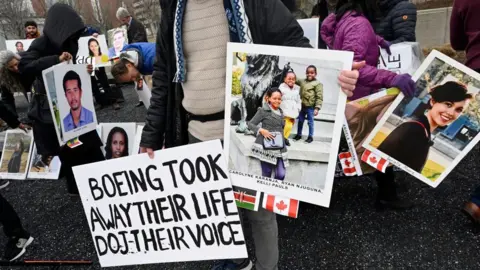
The dismissal had been opposed by some of the families of those killed in the accidents, who had sought to hold Boeing accountable at trial.
Lawyer Paul Cassell, representing some families, announced intentions to appeal against the ruling, insisting that courts should not remain passive amid perceived injustices.
O'Connor noted that while the government’s concerns were deemed unserious, he recognized the DOJ's presumed good faith in seeking to resolve the matter.
The DOJ defended their agreement, stating it provided closure for victims and ensured immediate action from Boeing to enhance safety.
The ruling comes amidst ongoing scrutiny of Boeing, following two major 737 Max accidents in late 2018 and early 2019 that resulted in 346 fatalities. The U.S. had charged Boeing with criminal fraud conspiracy, alleging it concealed critical information from regulators regarding its flight control software implicated in the crashes.
Though Boeing admitted to the allegations, they previously avoided prosecution with a $2.5 billion settlement agreed upon in 2021. The case was reopened last year due to new safety concerns.
This recent legal decision raises pivotal questions about corporate accountability and the efficacy of regulatory oversight in the airline industry.