WASHINGTON (AP) — In a shocking revelation, U.S. military officials disclosed that two individuals were killed during an attack on a boat suspected of transporting drugs. This incident, which occurred on September 2, marked a significant escalation in the U.S.'s approach to addressing drug smuggling in international waters, particularly near Venezuela.
Lawmakers are demanding clarity from the Pentagon regarding the mission's legal framework, especially following the first successful strike in a military campaign that has reportedly destroyed over 20 vessels implicated in drug trafficking and resulted in the deaths of more than 80 individuals.
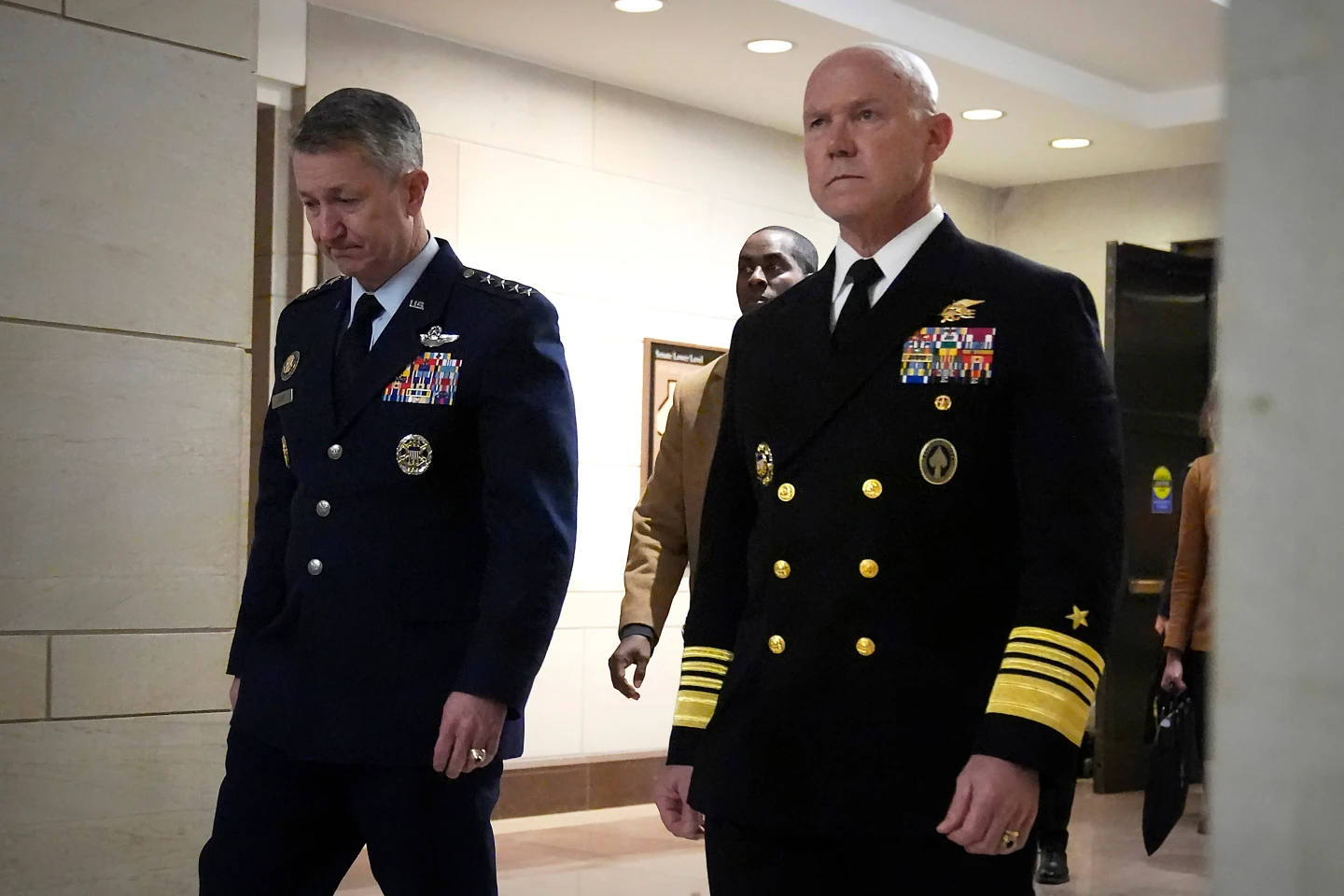
According to Adm. Frank Mitch Bradley, who briefed congressional committees, the rationale behind the second strike on the wreck was to secure cocaine believed to be left on board. Eyewitness accounts describe the survivors clinging to debris and signaling for help just moments before the missiles struck.
While some lawmakers expressed deep concern over the military's actions, others defended them, arguing that the individuals posed a continuing threat. Republican Sen. Tom Cotton suggested that their actions during the strike justified the military's decision to target them.
This incident has sparked a fierce debate surrounding the legal justifications for military engagement in drug-related operations, traditionally handled by law enforcement agencies. Critics argue that the administration's expansive interpretation of drug smugglers as terrorist threats poses potential risks to human rights and the established laws of armed conflict.
As investigators dig deeper, Congress members have called for the release of the classified legal opinions underpinning these strikes. Lawmakers aim to understand the directives given to military personnel and assess the legitimacy of the operation. Discussions have also included calls for transparency regarding the operational protocols followed by military commanders on the ground.
With the recent actions resulting in over 87 fatalities, the fallout from this military campaign signifies a pivotal moment in U.S. military policy under President Trump, raising questions on the future direction of international military engagements against drug trafficking.