In brief
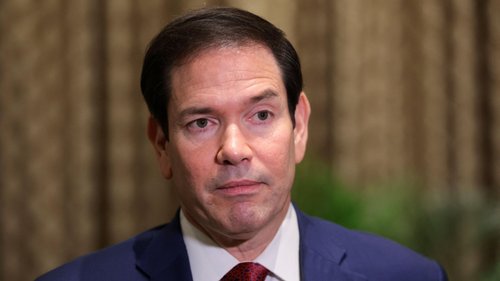
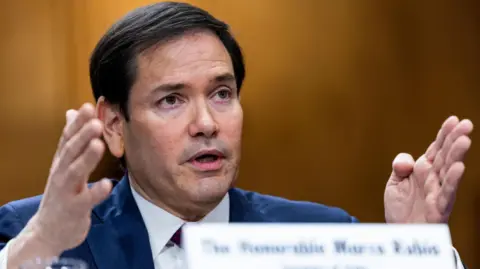
During a Senate Foreign Relations Committee hearing, Secretary of State Marco Rubio strongly defended the recent U.S. military intervention in Venezuela, arguing it aims to foster prosperity and security. Rubio characterized the action as a necessary law enforcement operation and assured that the U.S. is not at war with Venezuela. The hearing followed significant military actions, including the removal of former President Nicolás Maduro. Rubio asserted that the actions would lead to better outcomes for Venezuela, while also emphasizing U.S. control over the nation's oil resources in collaboration with the new Venezuelan leadership, Interim President Delcy Rodriguez.
Many members of the Senate Foreign Relations Committee called for a chance to question Secretary of State Marco Rubio on U.S. policy toward Venezuela, realizing their wish during a recent hearing. This came after the unprecedented U.S. military actions that resulted in the removal of Nicolás Maduro from power. Senator Tim Kaine notably recapped the actions leading to this point, highlighting that the first U.S. military strike targeting alleged drug boats occurred in September 2025, emphasizing the classified nature of prior discussions.Rubio stressed that the U.S. is not at war with Venezuela, differentiating the military actions as law enforcement operations rather than an invasion. Despite opposition from voices like Senator Rand Paul, who expressed skepticism about the legal justifications for intervention, Rubio maintained a firm stance. He described Maduro as an indicted drug criminal, asserting that efforts to negotiate with him were ultimately futile.The Secretary outlined the administration's plans to maintain control over Venezuela's oil industry, indicating that the funds from oil sales would be managed through U.S. accounts to ensure they support American industries. His assurances that the U.S. aims to transfer control of Venezuela's resources back to a democratic government were met with skepticism by critics within the hearing.Rubio's statements, particularly regarding Rodriguez's willingness to align with U.S. interests and cut ties with Cuba's regime, hinted at transformative changes ahead in Latin America. The coming months will reveal the effectiveness of these strategies in fostering stability and addressing corruption while watching global reactions, especially from allies like Cuba.