In brief
One week post a horrific attack in Pahalgam, the once-bustling town is slowly seeing a trickle of tourists return, but an air of apprehension prevails.
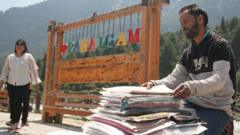
In the aftermath of a militant attack last Tuesday that claimed 26 lives, Pahalgam, known for its scenic beauty and dubbed “the Switzerland of India”, is now a shadow of its former self, though small signs of life are emerging as visitors cautiously make their way back. The attack took place near Baisaran, a popular meadow destination, stirring outrage across India and amplifying tensions between India and Pakistan. As local businesses struggle, fears grow over the long-term impacts on tourism—an industry vital to the local economy. Despite the haunting memories of the attack still fresh, some tourists are slowly returning to Pahalgam, where a tense calm now reigns. Last week's attack saw militants target mainly tourists, leaving the area reeling from the tragedy and despair. In the days following the incident, many shops and hotels saw their doors shut tight, though a few guests are starting to venture back as local reassurances about security grow louder. Visitors like Akshay Solanki, a traveler from Mumbai, initially experienced panic on the day of the attack but chose to remain despite soaring flight costs. On the other hand, some have opted to cancel their plans altogether, with reports indicating a significant uptick in trip cancellations—up to 90% according to local tour operators. Excitement over the upcoming inauguration of a major rail project connecting Kashmir to the rest of India now hangs in uncertainty as local leaders express concerns over investment and the future of tourism.While the Indian government has moved to fortify security measures in the region, local business owners fear that the long-term psychological impact of the violence could deter potential visitors for years to come. Amidst the evolving scenario, the region's chief minister, Omar Abdullah, lamented the tragedy and expressed deep sympathy for the victims, highlighting the personal and monumental implications of the attack. As Pahalgam tread cautiously toward a semblance of normalcy, the community continues to hope for a recovery that resonates beyond the immediate aftermath of horror—an aspiration for peace, resilience, and the return of joyful tourism to support local livelihoods.