The Supreme Court ruled that any child born in the United States is a citizen at birth, regardless of parents’ immigration status. The decision, delivered in a 6‑3 split, rejects President Donald Trump’s executive order that sought to remove that right for children of undocumented immigrants and temporary visitors.
Chief Justice John Roberts wrote the majority opinion, emphasizing that the 14th Amendment “preserves the promise that every free‑born person in this land is a citizen of the United States.” Justice Brett Kavanaugh joined the opinion, noting the order violated federal law. Three justices—Clarence Thomas, Neil Gorsuch and Samuel Alito—dissenting, argued that the amendment was misapplied and that the ruling would grant citizenship to those with no intent to stay in the country.
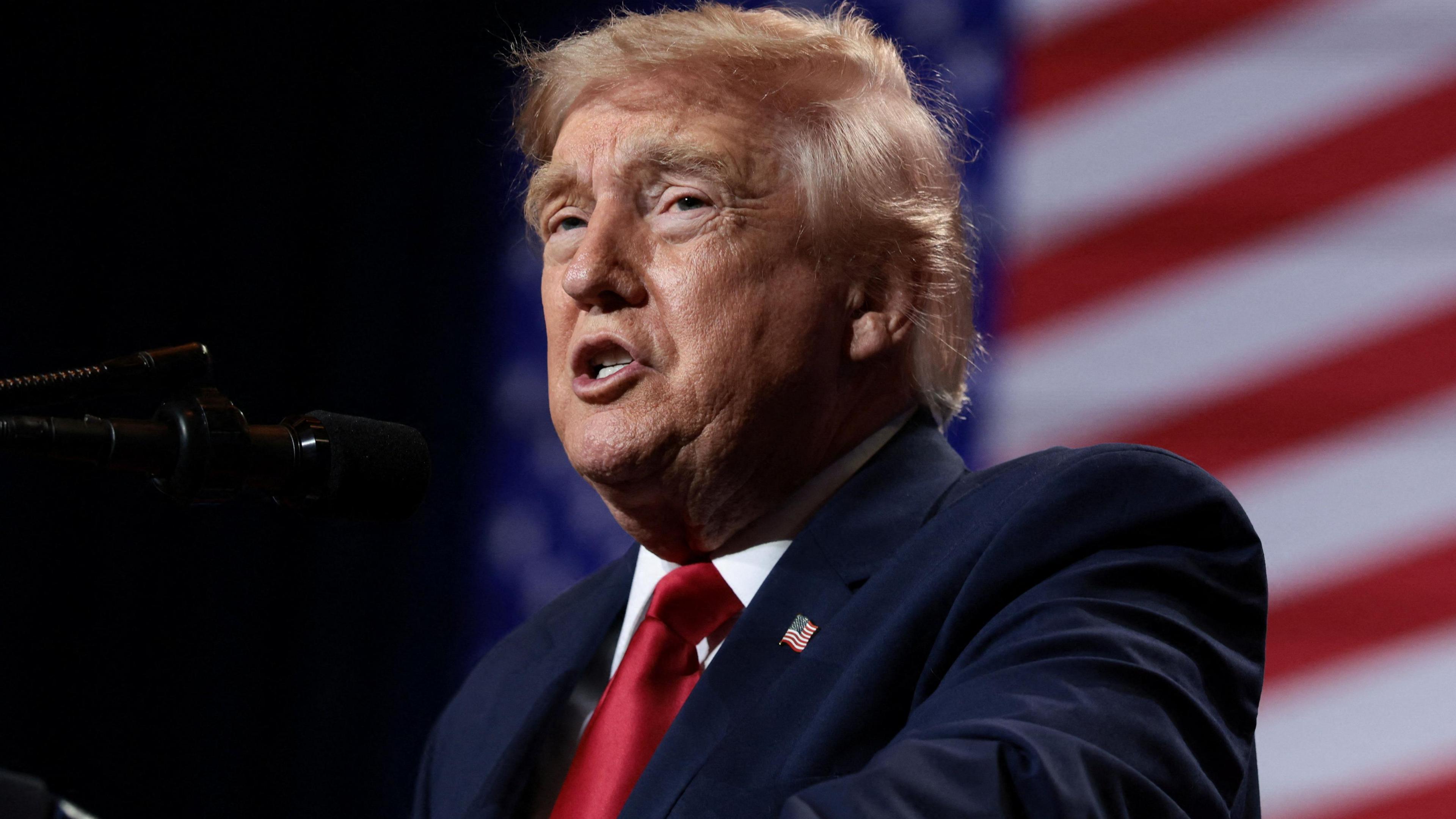
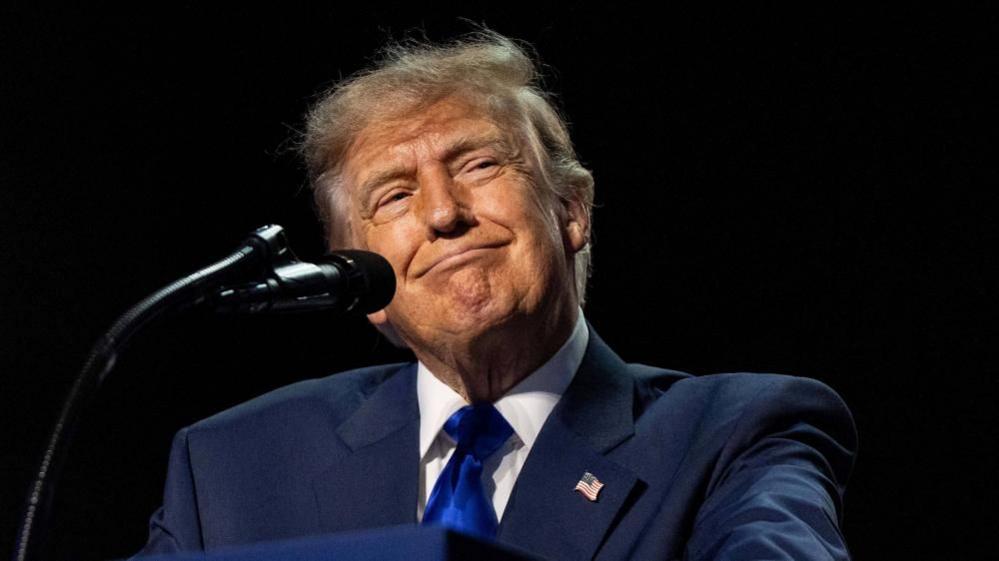
Trump publicly condemned the ruling on Truth Social, calling it “too bad” and pledging to continue fighting to end birthright citizenship through legislation. White House Chief of Staff Stephen Miller similarly labeled the decision “one of the most destructive and outrageous decisions” in Supreme Court history.
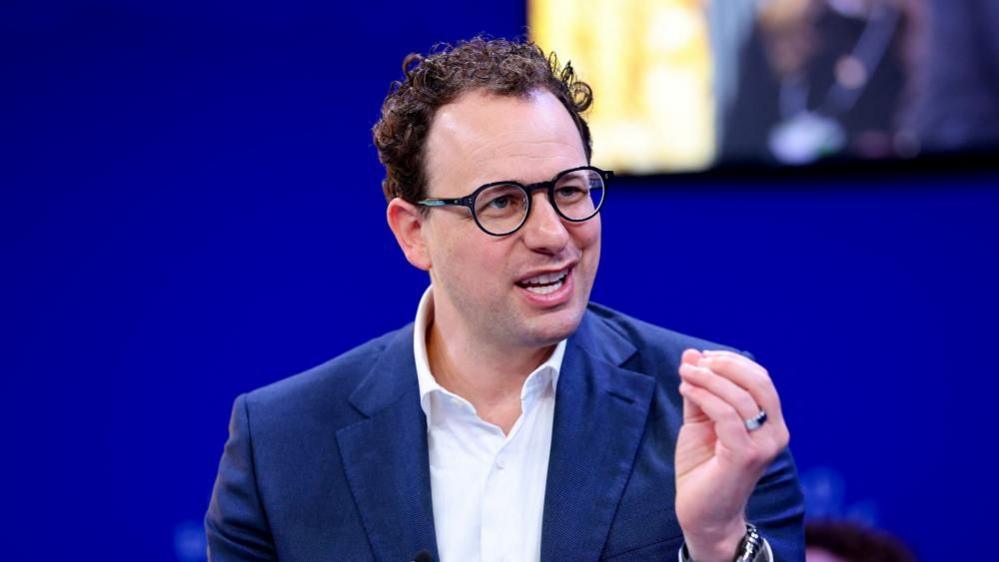
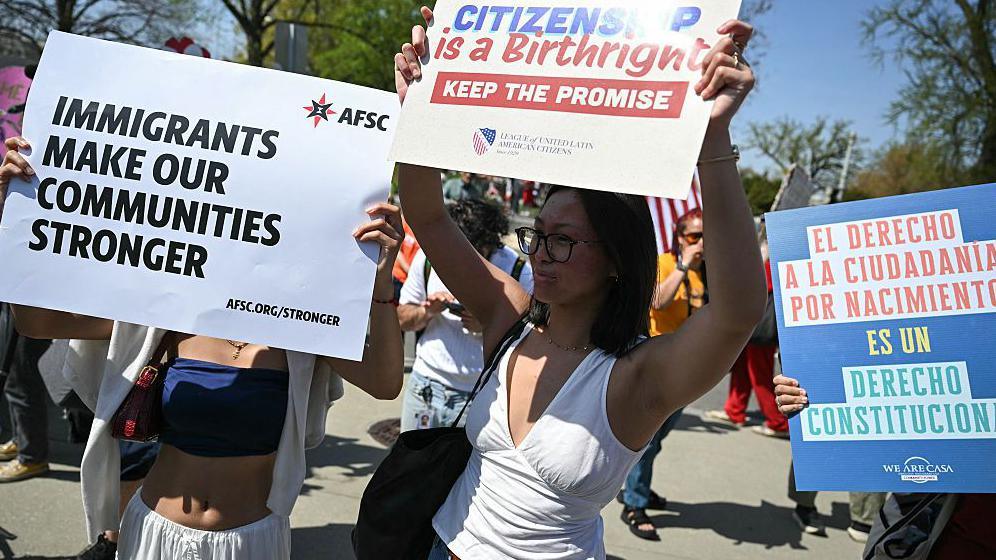
The ruling has been celebrated by civil‑rights advocates. Democratic leader Hakeem Jeffries affirmed, “All persons born in the United States are American citizens.” Lawyer Dariely Rodriguez added that the Court’s decision “solidifies what we have known to be true for over a hundred years.”
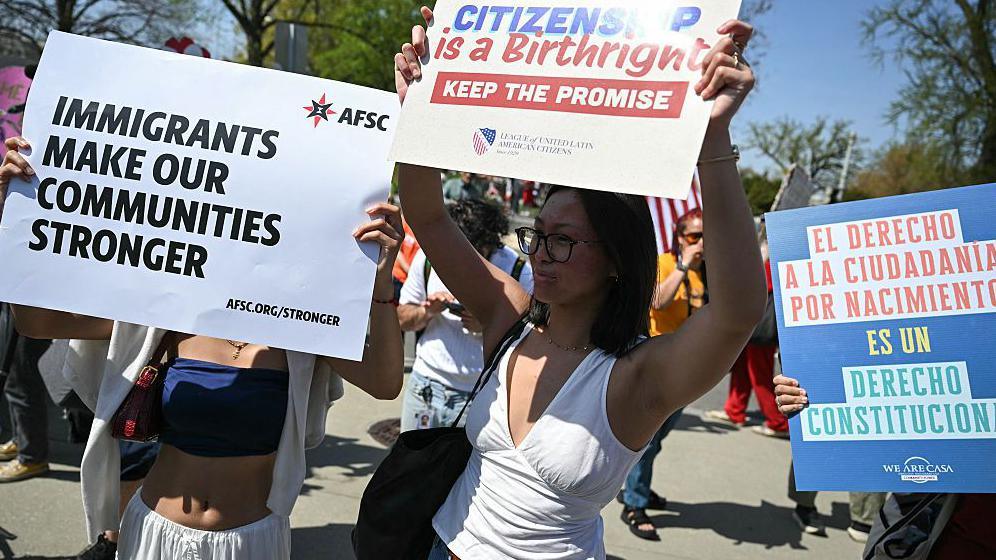
The decision marks a pivotal moment for U.S. immigration policy and underscores the enduring nature of the 14th Amendment’s citizenship clause that has guided American identity for more than a century. The court’s ruling is expected to affect court proceedings, enforcement policies and ongoing debates about the nation’s citizenship standards.