In brief
Former President Donald Trump turned the 2026 NATO summit in Ankara into a personal showcase, shaking hands with Turkish President Recep Tayyip Erdogan and sparking heated remarks about Greenland, Iran, and the UK’s post‑war stance. While his comments rattled the alliance, senior NATO officials pressed ahead with concrete plans to upgrade Europe’s defence, announcing new Airbus transport contracts and Sweden’s GlobeEye AWACS replacement. Ukrainian President Volodymyr Zelensky highlighted the urgent need for affordable anti‑ballistic systems as Russia's missile campaign intensifies, warning that the war’s end could trigger a swift Russian rearmament offensive. Despite political theatrics, the summit’s real focus remains on dickered budgets, joint missile projects, and strengthening collective security against potential Russian incursions.
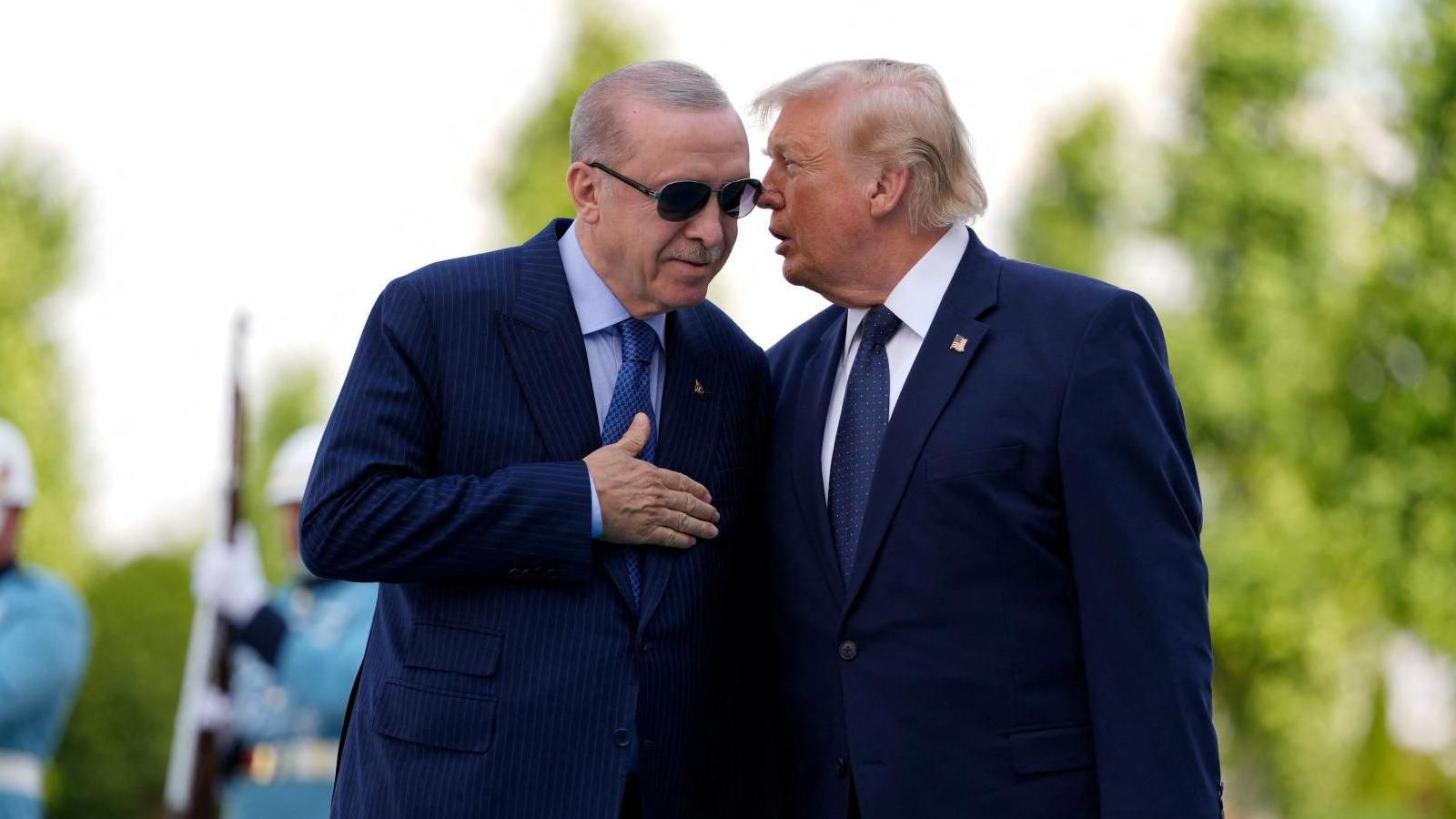
Former U.S. President Donald Trump turned the 2026 NATO summit in Ankara into a personal showcase, shaking hands with Turkish President Recep Tayyip Erdogan and greeting delegates amid black‑clad police and giant blue banners proclaiming “The Key to Peace.”
While the summit was meant for collective security talks, Trump’s explosive remarks—suggesting U.S. control of Greenland, critiquing the UK’s wartime support, and airing frustration at allies—snapped the polished image of unity. Judge Me alleged that “the U.S. should take over Greenland” and warned Denmark that such a move would end NATO.
Despite the drama, NATO officials pushed forward on urgent re‑arming talks. New contracts were announced for a new fleet of Airbus transport aircraft and for Sweden’s GlobeEye planes to replace ageing AWACS platforms.
Ukrainian President Volodymyr Zelensky was also in Ankara, demanding that allies provide affordable, mass‑produced anti‑ballistic systems “as soon as possible” to counter the surge of Russian missiles striking Kyiv’s residential districts. He warned that once hostilities cease, Russia could launch a rapid rearmament programme, threatening NATO territory within four years.
The summit’s real focus—beyond political theatrics—remains on securing collaborative missile projects and ensuring Europe’s defence capabilities can counter a resurgent Russian threat. With senior diplomats turning on gavel‑drum conflicts, the NATO committee delivered a vision centered on shared industry investment, newer technology, and extensive testing of weapon systems.