In brief
Allies are hesitant to engage in U.S. military strategies involving Iran, with significant skepticism surrounding the idea that NATO should intervene. Key European leaders, including Germany and the UK, assert that the conflict is not their responsibility and demand clear legal frameworks before participation. The urgency for a solution grows as Iran disrupts shipping in the strategic Strait of Hormuz.
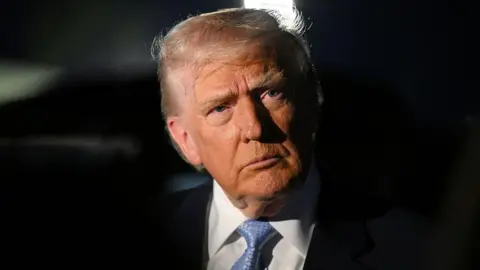
Throughout his two terms in office, US President Donald Trump has not been shy to criticize – even to attack – Washington's NATO allies.
But his latest suggestion – that failing to secure the Strait of Hormuz would be very bad for the future of NATO – implies an understanding of the alliance's purpose that has already raised eyebrows. “NATO was created as a… defensive alliance,” Gen Sir Nick Carter, former chief of the Defence Staff, told the BBC on Monday.
“It was not an alliance that was designed for one of the allies to go on a war of choice and then oblige everybody else to follow,” he said. “I’m not sure that’s the sort of NATO that any of us wanted to belong to.”
This perhaps helps to explain why some responses have been fairly blunt. In Germany, a government spokesman said the war with Iran had nothing to do with NATO, while Defence Minister Boris Pistorius seemed to pour scorn on the idea that Europe's modest navies could make a difference. What does Trump expect from a handful of European frigates that the powerful US navy cannot do? he asked.
This is not our war. We have not started it. But none of this should hide the fact that there is now an urgent, and growing, need for a solution to the crisis in the Gulf. Iran's effective blocking of the Strait of Hormuz – except for a handful of vessels carrying its own oil to allies like India and China – has left Western governments scrambling to find a solution.
It may be a crisis triggered by Trump's decision to go to war, but it is one that needs to be fixed quickly, before the impacts on the global economy get any worse.
At his news conference on Monday, UK Prime Minister Sir Keir Starmer said conversations aimed at working out a viable plan were ongoing with US, European, and Gulf partners, but that we are not at the point of decisions yet.
There is no quick fix. The UK government is, for instance, limited in its options, having no British mine-clearing ship in the region for the first time in decades.
Trump’s suggestion that keeping the Strait of Hormuz open might involve attacks on the Iranian coastline raises further questions about the level of involvement allies are willing to engage in.
Germany's Foreign Minister, Johann Wadephul, cited the need for clarity from the US regarding military objectives in Iran before discussing new security arrangements, and while France's President Emmanuel Macron is keen to get involved, he noted that there could be no action until the hottest phase of the conflict passes.
As tensions escalate, the hesitation among Trump's allies reflects deep concerns about the implications of military action, emphasizing the necessity for a strategic response to the ongoing crisis.