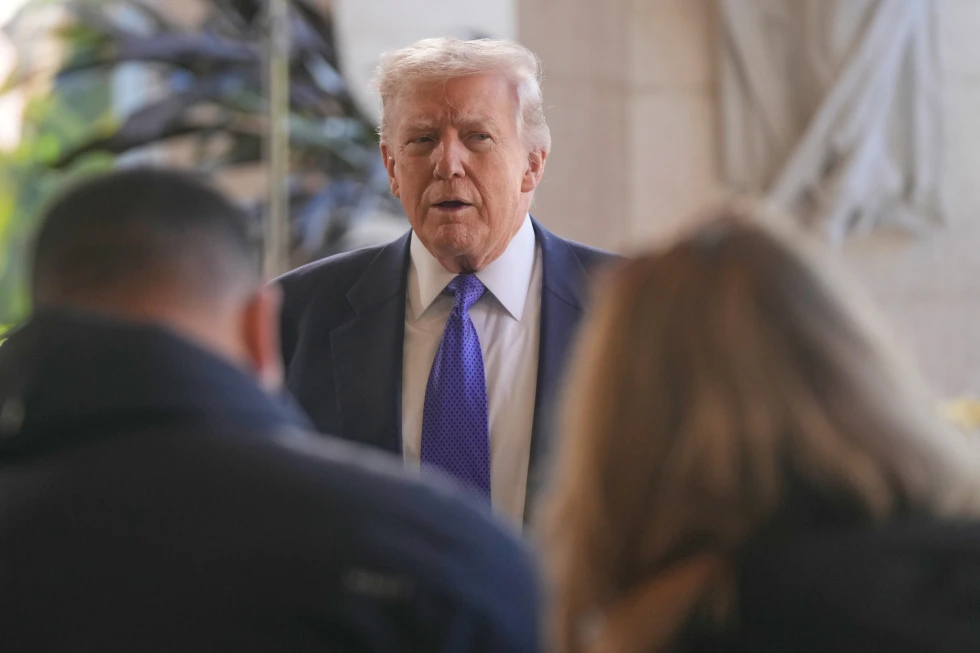
In a recent Cabinet meeting, President Donald Trump reiterated derogatory comments about Somali immigrants in the U.S., describing them as 'garbage' and expressing a desire for them to return to their country. His comments are emblematic of a long-standing pattern of xenophobic rhetoric that has escalated since his presidential campaign began nearly a decade ago.
Trump's statement added to his previous controversial remarks about immigrants, including a well-known description of Mexico as sending 'rapists,' and dubious references to certain African countries as 's—-hole nations.' During the two-hour meeting, he emphasized his desire to rid the country of Somali immigrants, indicating a broader shift in his immigration policy rhetoric.
The response to Trump's latest remarks has been swift and severe, drawing condemnation not only from political rivals and human rights advocates but also from ordinary citizens. The backlash underscores the divisive nature of Trump's approach to immigration and race in America.
Political commentators have noted that Trump's rhetoric is more aggressive than that of many Republicans, pushing boundaries that previously may have seemed unacceptable. According to a recent study examining immigration-related speeches in U.S. history, Trump's comments reflect a significantly more negative attitude toward immigration than that held by his predecessors.
Historically, this type of outsider rhetoric has arisen during politically and economically turbulent times in the U.S., reflecting deep-seated fears and prejudices. Analysts warn that Trump's increasingly incendiary language risks normalizing hate speech in both American political discourse and on the international stage.
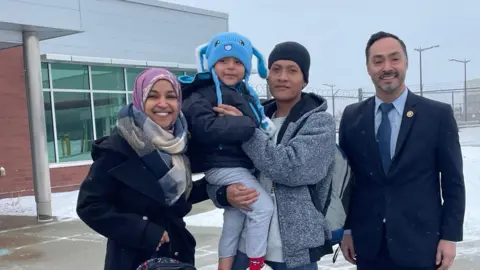
Critics, including Somali-American Congresswoman Ilhan Omar, argue that such speech fosters an environment of fear and division. Omar, who Trump specifically targeted during the meeting, dismissed Trump's remarks as part of a 'creepy and unhealthy obsession' with her identity.
The potential ramifications of Trump's words extend beyond the U.S. borders, influencing global attitudes toward immigrants and highlighting a concerning trend in political rhetoric worldwide. As international relations are shaped by public perception, Trump's statements raise alarms about a pivot toward normalized hate speech by heads of state.
As the debate about immigration continues to evolve in America, it becomes increasingly evident that Trump's presidency marks a significant chapter in the ongoing struggle over national identity and inclusion.