In brief
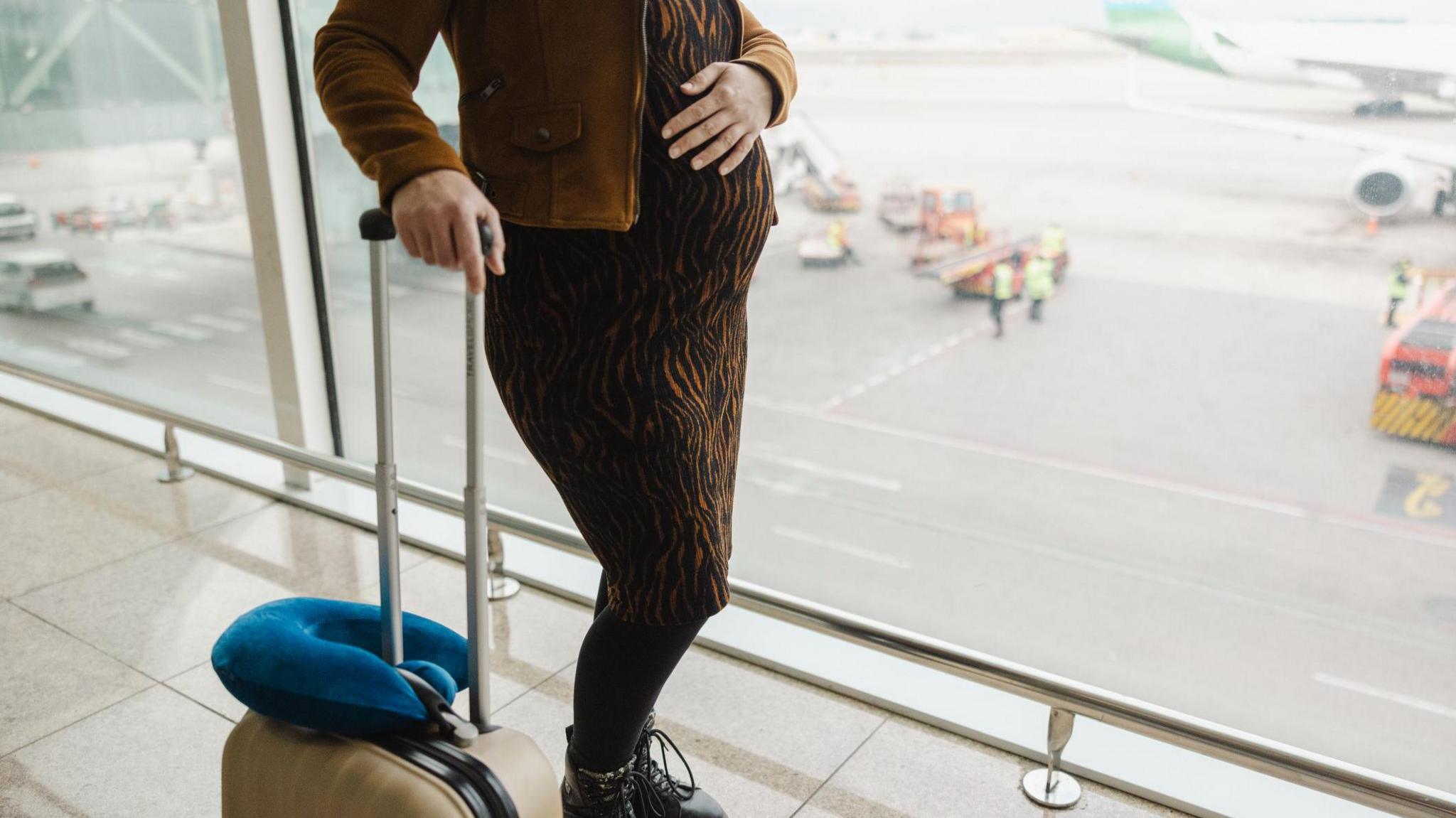
President Trump has issued two executive orders that expand exclusions for birthright citizenship and formally target birth tourism. The new directives focus on parents who are members of foreign terrorist groups or foreign government employees, and direct federal agencies to enforce stricter penalties for parents seeking U.S. citizenship for their newborns. While birthright citizenship remains largely automatic under the 14th Amendment, the administration argues that the practice fuels a growing number of so‑called birth tourists. Data suggest that between 20,000 and 26,000 babies are born in the U.S. each year through such arrangements, though the exact figure is disputed. The orders come amid a Supreme Court case that rejected claims that birth tourism changes constitutional intent.
President Donald Trump signed two executive orders on Thursday that expand the list of parents who are ineligible to automatically grant citizenship to their children born in the United States and that formally police the birth‑tourism industry.
What the orders do
The first order expands the existing categories of non‑citizen parents who cannot have their child automatically become a U.S. citizen. It now includes parents who are members of foreign terrorist groups, foreign government employees, or those who have tried to fraudulently obtain citizenship. The second order directs the Departments of State and Homeland Security to tighten regulations and increase enforcement against agencies that advertise birth tourism services.
Birthright citizenship basics
Birthright citizenship—known legally as “jus soli”—is enshrined in the 14th Amendment. Roughly everyone born on U.S. soil gains citizenship, except for foreign diplomats, enemy soldiers during wartime occupation, and residents of some unincorporated territories. The U.S. grants automatic citizenship to people born in Puerto Rico, Guam, and the U.S. Virgin Islands but not to those born in American Samoa, who are considered non‑citizen nationals.
How many birth tourists are there?
Trump has claimed that “hundreds of thousands” of babies are born via birth tourism, but the U.S. Census Bureau has no dedicated data for that figure. The Centers for Disease Control estimated that 9,500 babies of foreign mothers were born in 2024, or about 0.25% of all U.S. births. The Migration Policy Institute estimates 20,000‑26,000 birth tourism cases per year, or roughly 0.5‑0.7% of total annual births, suggesting the official count is likely an under‑report.
Supreme Court context
The Trump administration’s Supreme Court argument centered on curbing the backlash of birth tourism after a June ruling that upheld the 14th Amendment’s broad citizenship grant. Solicitor General argued that birth tourism creates a generation of citizens with “no meaningful ties to the United States.” Chief Justice Roberts rejected the premise, emphasizing the constitutional text remained unchanged.
International perspective
While the U.S. is often cited as a leading pare of unrestricted birthright citizenship, over 30 countries—including Brazil, Argentina, Mexico, and most of Central and South America—practise automatic jus soli. Canada is the only other developed country with broad citizenship by birth. Some nations, like the UK and Australia, offer modified forms of birthright where one parent’s citizenship is required.