In brief
In a shocking statement, US President Donald Trump revealed a 'framework of a future deal' concerning Greenland after a meeting at the World Economic Forum in Davos. This announcement has provoked concerns regarding Danish sovereignty as Denmark and Greenland have asserted that they will not relinquish control over the territory. Trump’s insistence on ownership rather than leases raises the stakes for ongoing negotiations, as both nations voice their commitment to territorial integrity while NATO's involvement evolves amidst growing international tensions.
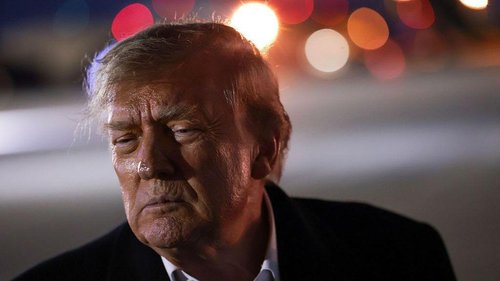
US President Donald Trump has announced that there is a framework of a future deal with respect to Greenland. The statement came as a surprise after days of mounting tensions, culminating with a threat to impose economic sanctions on eight close US allies which have opposed his plans to seize the semi-autonomous territory of Denmark.
So what could this deal entail and will it be acceptable to Denmark and Greenland - both of which have made it clear they will not relinquish sovereignty of the world's largest island?
What has been said about the framework deal?
President Trump made the announcement on his Truth Social media platform on Wednesday, after talks at the World Economic Forum in Davos, Switzerland. Based upon a very productive meeting that I have had with the Secretary General of NATO, Mark Rutte, we have formed the framework of a future deal with respect to Greenland, he said. He did not give details but mentioned that talks would continue.
Danish Prime Minister Metter Frederiksen stated that sovereignty is non-negotiable, emphasizing that discussions with Denmark and Greenland would need to take place. NATO's involvement is focused on ensuring no foothold for Russia or China in Greenland.
Is there any detail about the possible deal?
Speculation around the deal has suggested potential arrangements similar to military bases in Cyprus, although Denmark and Greenland firmly assert their sovereignty. Trump has previously implied that ownership rather than leasing is necessary for proper defense.
This has led to a mixed reaction from allies and condemnation from Greenlandic lawmakers, who emphasize the importance of Greenland's autonomy in discussions. As tensions rise and discussions unfold, the stakes for both NATO and international relations in the Arctic remain critical.
Why does Trump want Greenland?
Trump has set his sights on Greenland's strategic military importance and potential resources. While reassurances are made, the underlying tensions regarding sovereignty and territorial rights present challenges to any proposed agreements.