Trump Issues Two Executive Orders on Birthright Citizenship
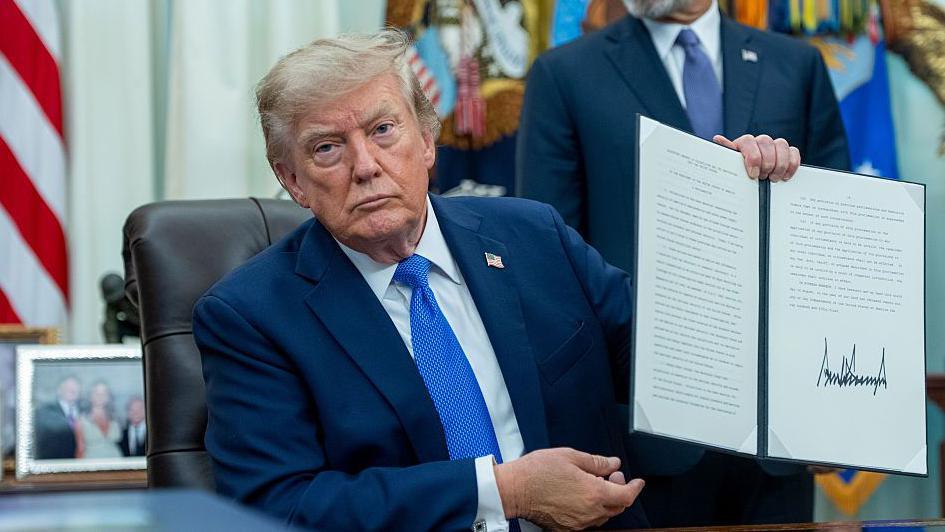
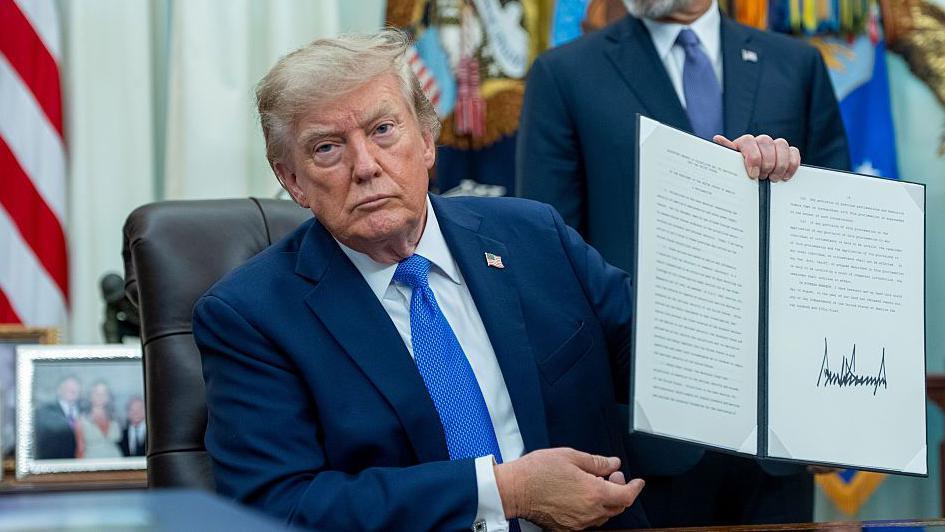
Donald Trump has signed two executive orders on Thursday, attempting to tighten the U.S. birthright citizenship rule.
The first order broadens the definitions of non‑citizens whose children would not automatically be granted citizenship at birth. It includes parents who are members of foreign terrorist groups, foreign government employees, or have tried to fraudulently obtain citizenship.
The second order specifically bans so‑called birth tourism – the practice of traveling to the U.S. to give birth so that the child automatically gains U.S. citizenship. Trump argued that the measure protects American resources and weakens potential foreign influence.
“This should have happened years ago, but we’re taking care of it now,” Trump said from the Oval Office. He criticized the Supreme Court’s June decision that upheld birthright citizenship, calling it “a bad decision” that hurts the nation.
The orders also cover births in U.S. territories, where citizenship is conferred by federal law, and include residents of territories that are not governed by the Immigration and Nationality Act. The executive orders address concerns about foreign nationals exploiting birthright citizenship to gain automatic legal status and access to benefits.
According to the Migration Policy Institute, roughly 22,000 to 26,000 babies are born each year through birth tourism in the United States. Official counts for 2024 show 9,600 births to mothers with foreign addresses.
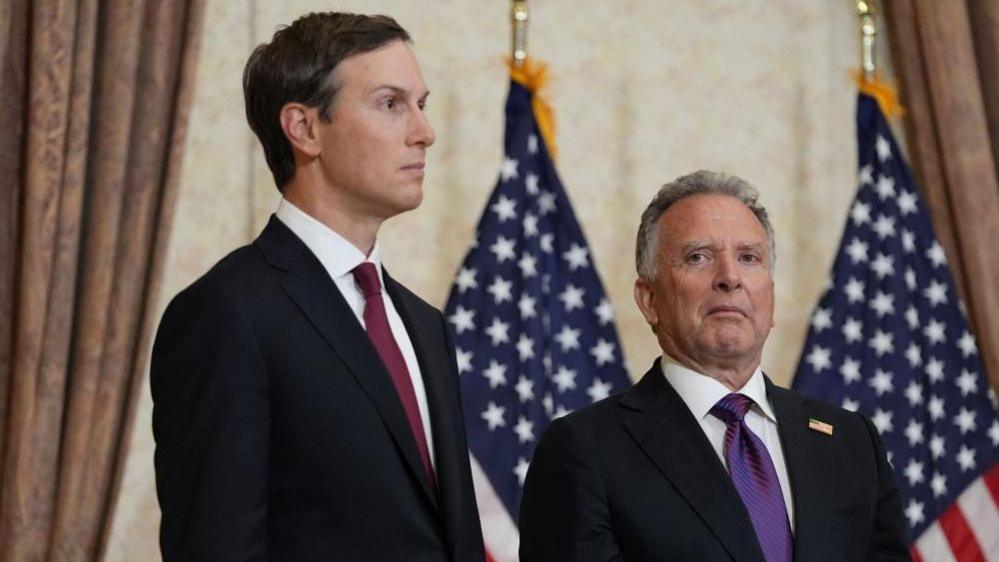
White House Homeland Security Advisor Stephen Miller, who was present in the Oval Office, said the administration has the authority under the Immigration and Nationality Act to ban birth tourism. He warned that foreign “malign actors” use this loophole to produce a child who automatically becomes a U.S. citizen.
Academics have offered mixed views. Professor Gabriel Chin from the University of California, Davis, noted that while the president may restrict entry for the purpose of birthing a child, the Supreme Court ruling on birthright citizenship still protects lawful birth citizens. He described birth tourism as a “drop in the bucket” compared to the millions of births in the U.S.
These executive orders arrive just days after the Supreme Court decisively rejected Trump’s earlier attempt to curtail birthright citizenship. Legal scholars warn that any retroactive defense that challenges the 14th Amendment’s guarantee could face significant constitutional hurdles.