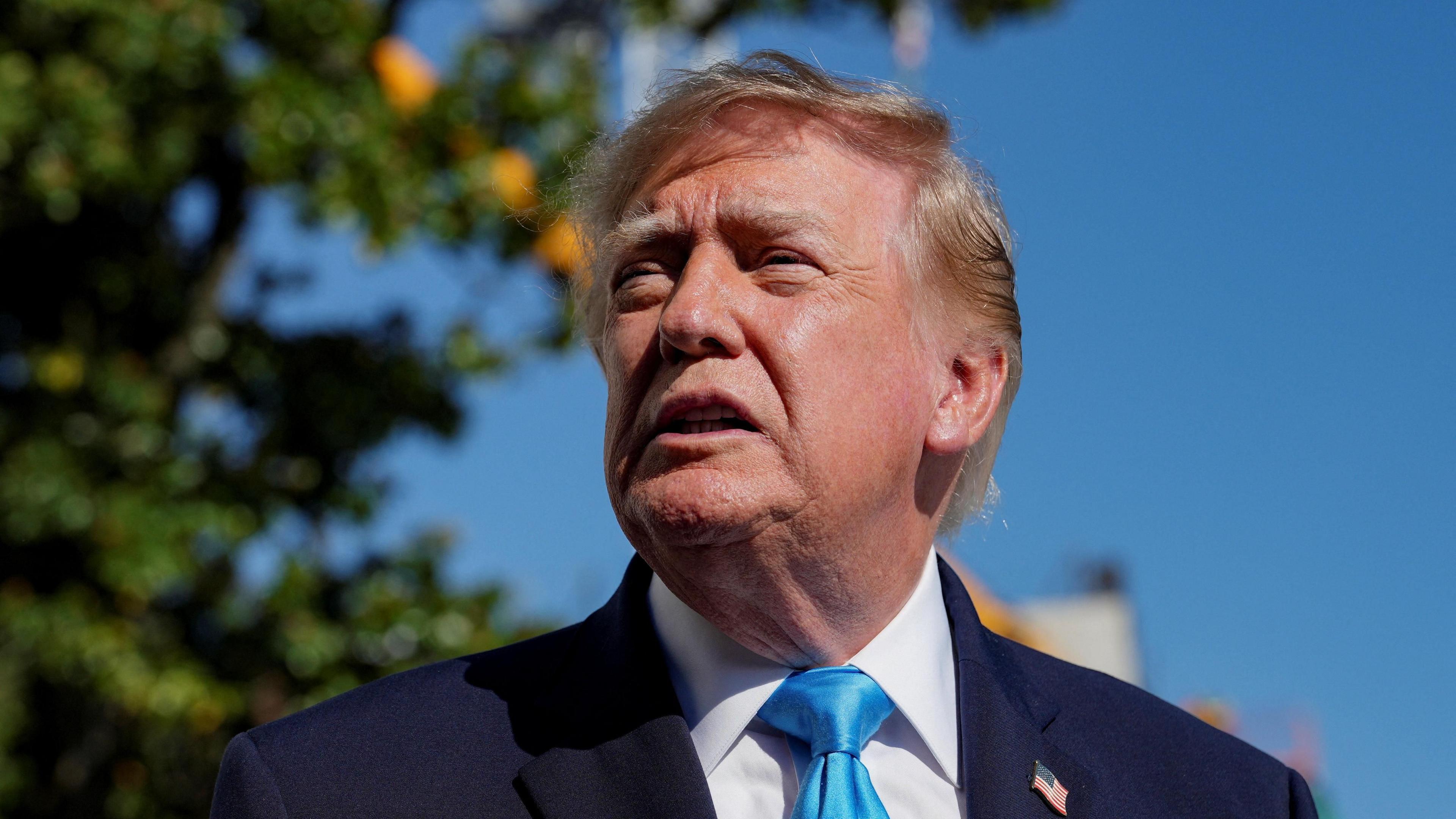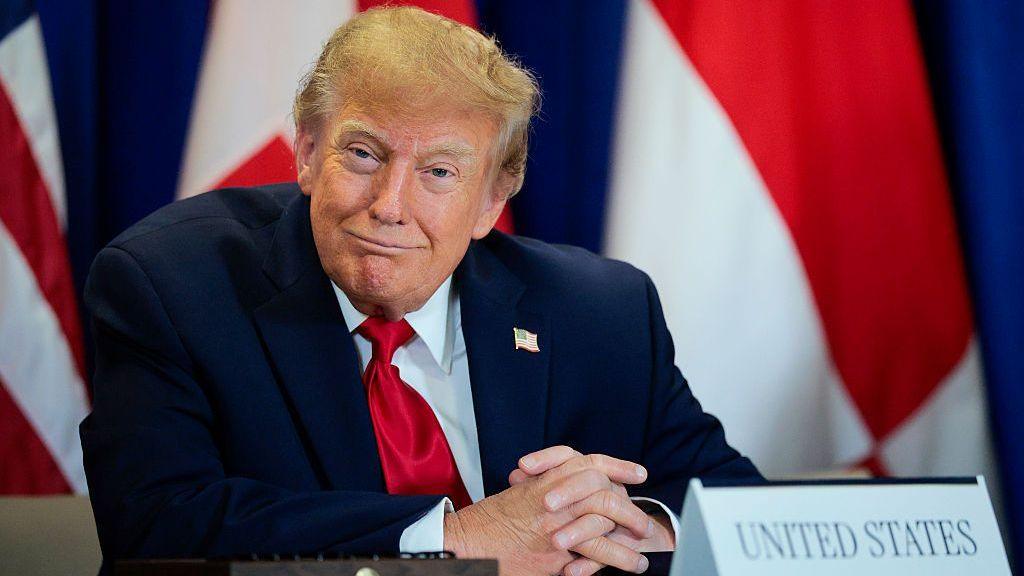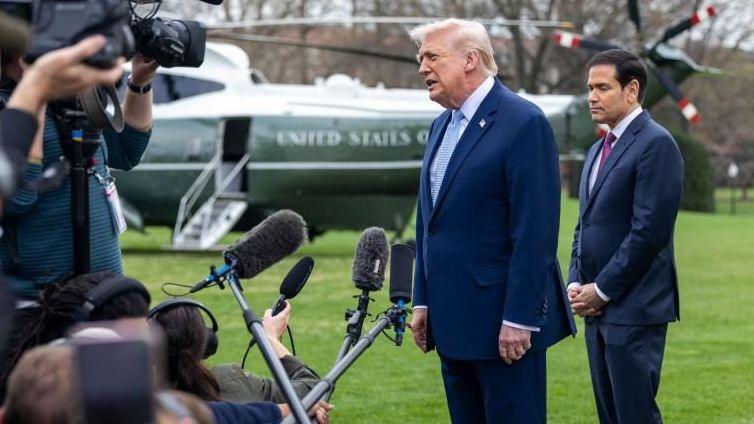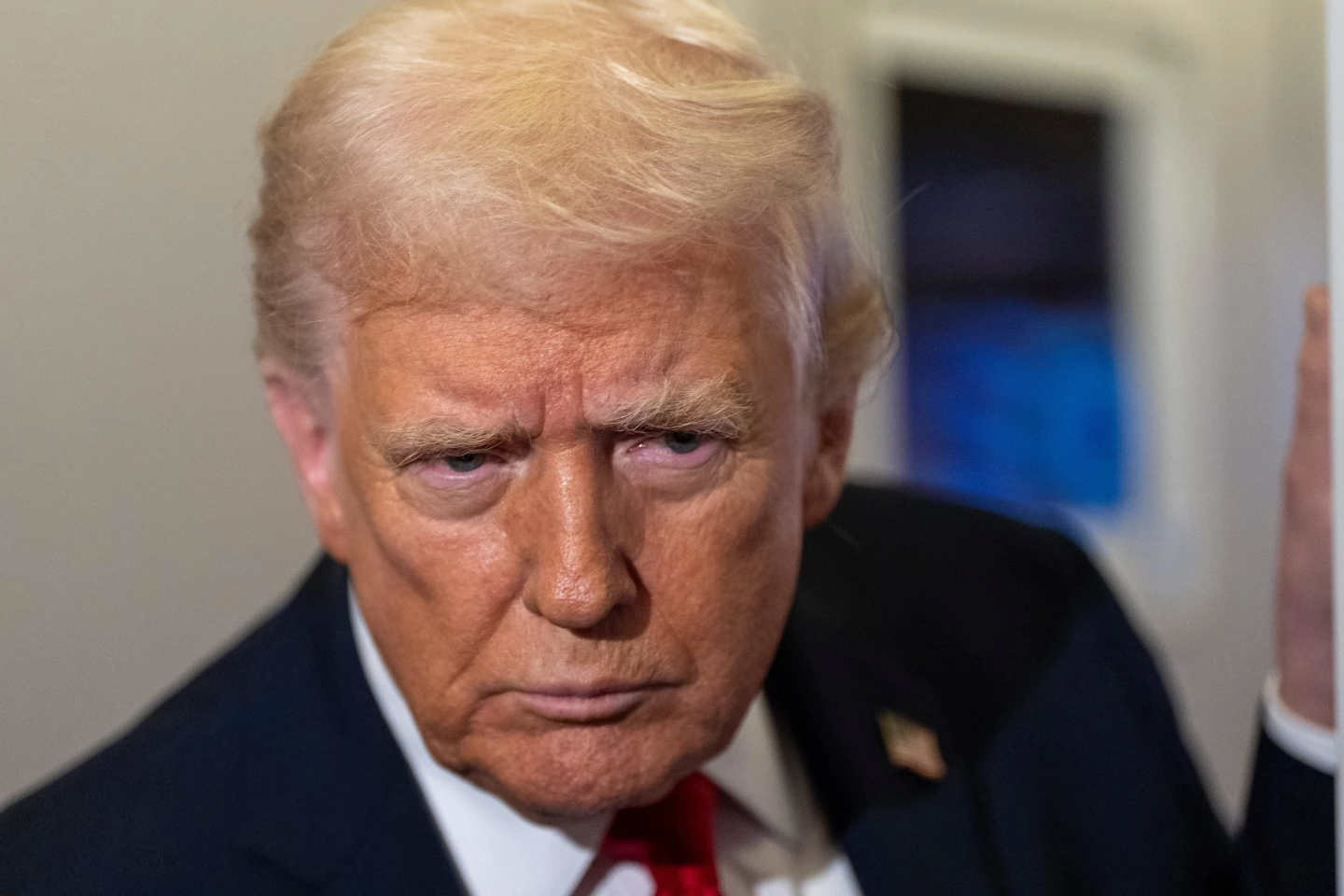
WASHINGTON (AP) — President Donald Trump described the recent shooting of two National Guard members near the White House as a ‘heinous assault’ that illustrates the dangers posed by lax immigration policies, which he labeled as the 'single greatest national security threat facing our nation.' During a video announcement, Trump emphasized the urgency of addressing immigration reform to safeguard the country.
Trump stated, 'No country can tolerate such a risk to our very survival,' expressing his aim to reshape the current immigration system. This incident has intensified his administration's focus on increasing scrutiny of migrants, including aggressive deportation strategies already underway.
The shooter, identified as an Afghan national, reportedly arrived in the U.S. in September 2021 amid the turmoil following the Taliban's takeover. Officials noted that he was resettled as part of the Biden administration’s Operation Allies Welcome, designed to support those who assisted U.S. military forces.
Many of the 76,000 Afghans brought to the U.S. under this program have faced intense scrutiny and criticism from Trump’s allies regarding the vetting processes that allow them into the country. The suspect's involvement raises substantial questions regarding the efficacy of these measures.
Trump's comments extended to criticisms of refugee admissions, invoking Minnesota's Somali community in a broader discussion on immigration. His remarks reflect a strategic pivot towards tightening immigration protocols and enhancing deportation efforts as a national narrative.
In response to the heightened focus on Afghanistan and immigration following the shooting, U.S. Citizenship and Immigration Services announced it would halt processing immigration requests from Afghan nationals as they reassess security protocols. Advocates for Afghan evacuees expressed concern that they may now be unfairly scrutinized amidst calls for stricter immigration measures, potentially jeopardizing the safety and integration of thousands who fled Taliban reprisals.
Reacting to the incident, advocates emphasized the importance of viewing Afghan nationals with compassion, disputing claims that the recent tragedy reflects the character or intentions of all those involved in the resettlement process.
The implications of Trump's statements reinforce a broader narrative aiming to reshape U.S. immigration policy amidst mounting political pressures following an act of violence with complex underlying causes.