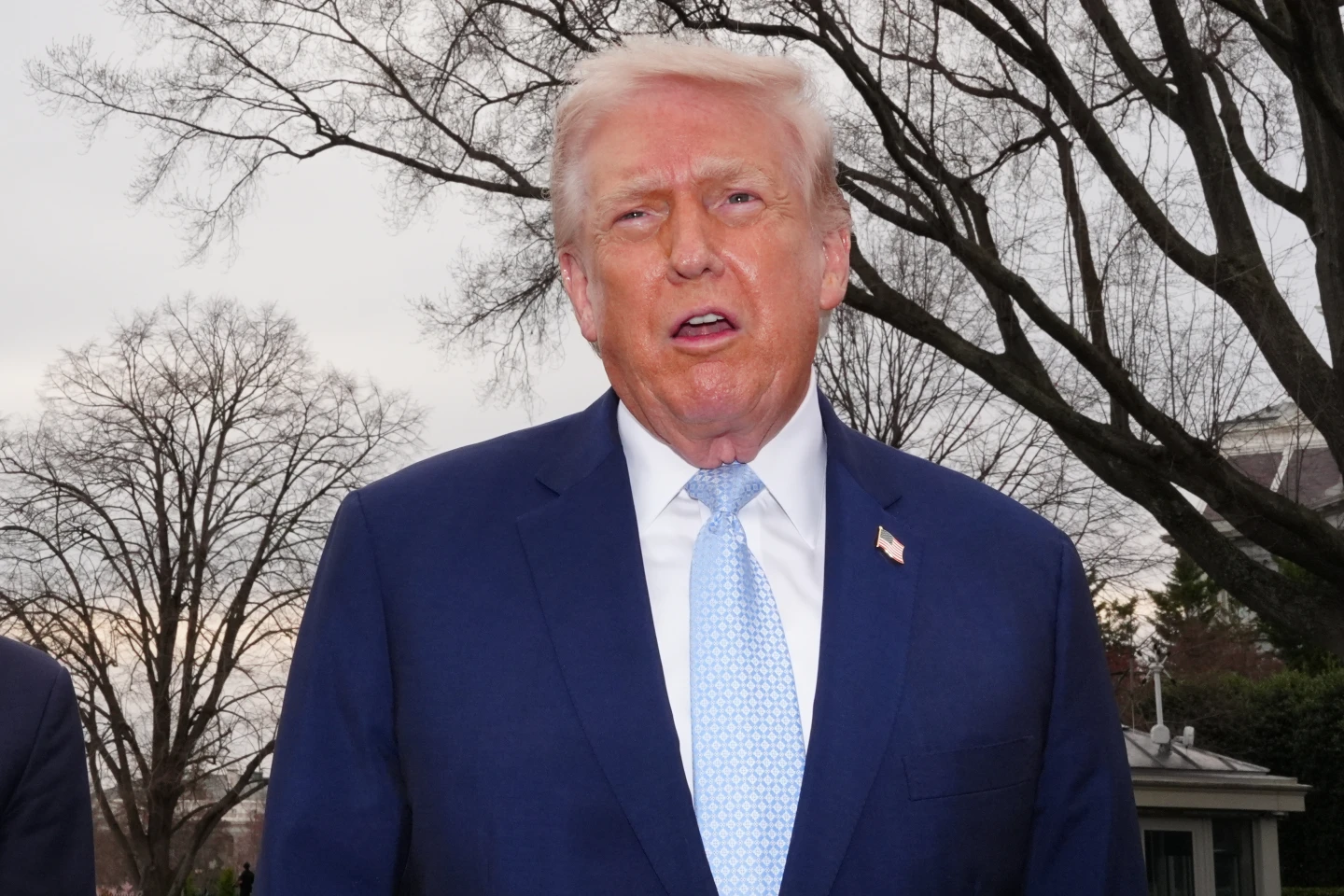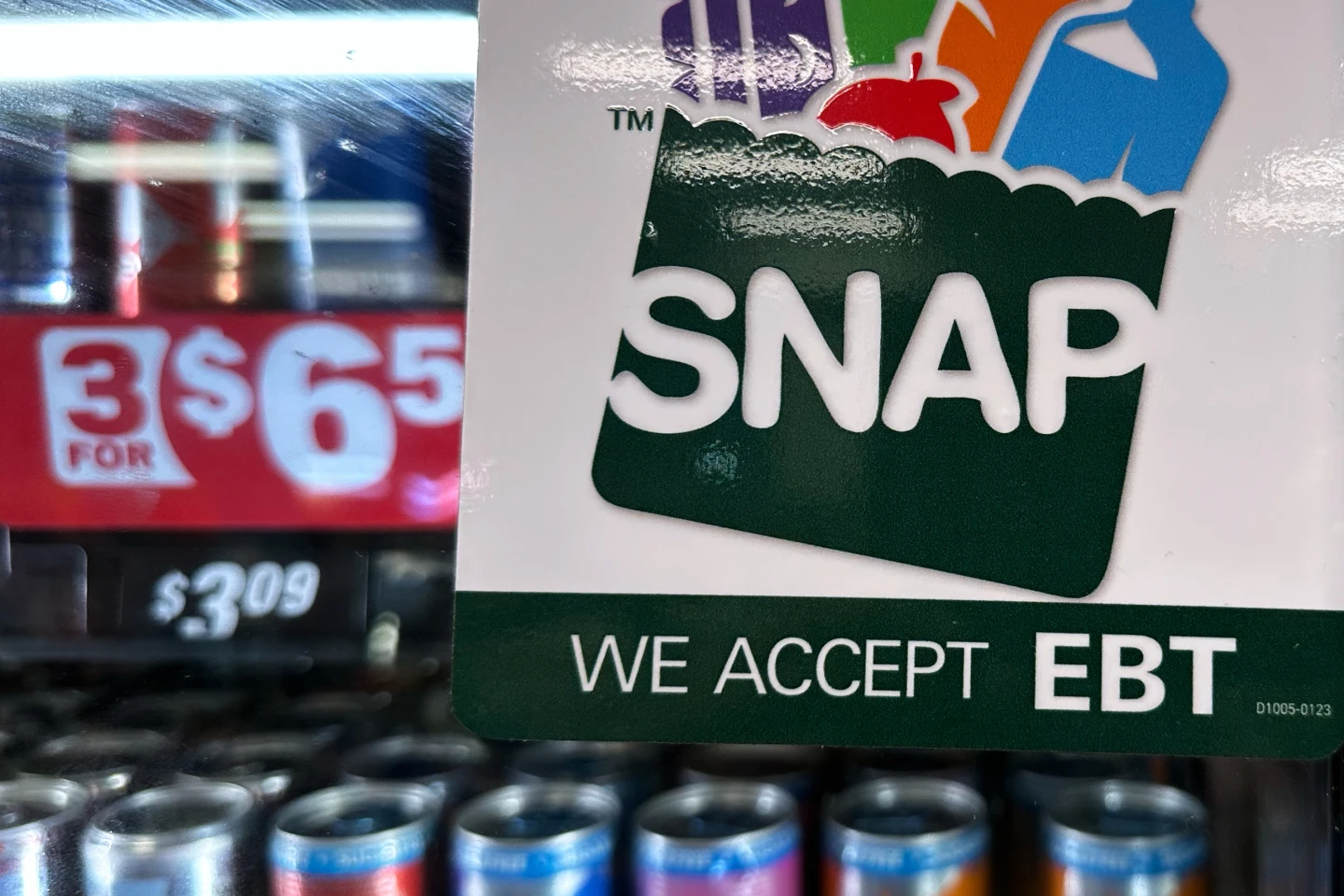
President Donald Trump’s administration is taking a hard stance against the Supplemental Nutrition Assistance Program (SNAP), asserting that fraud within the nation’s largest food aid initiative is rampant and must be addressed.
The administration is viewing SNAP through a rigorous enforcement lens, with officials claiming that fraud is an expensive issue, often involving organized crime as well as individuals and retailers exploiting the system.
Jennifer Tiller, a senior advisor to Agriculture Secretary Brooke Rollins, stated, “We know there are instances of fraud committed by our friends and neighbors, but also transnational crime rings.”
While some experts recognize that fraud exists within SNAP, they highlight the lack of comprehensive data showing the actual extent of the problem, leading to skepticism about the scale of abuses. Christopher Bosso, a public policy professor, commented, “If you're spending $100 billion on anything, you're going to have some leakage.”
The Administration's Approach to Fraud
Of the $100 billion spent annually on SNAP, approximately $94 billion is allocated for benefits, with 42 million Americans receiving an average monthly benefit of about $190. This figure correlates closely with the number of people living in poverty, estimated between 36 to 43 million depending on the measurement method used.
The Trump administration has demanded that states provide detailed data on individual SNAP recipients, including sensitive information such as Social Security numbers and immigration status, as a way to identify potential fraud cases. Republican-led states are generally cooperating, while many Democratic-led states resist, citing privacy concerns.
The USDA reported that records from participating states revealed 186,000 deceased individuals, accounting for around 1% of recipients, receiving benefits. Moreover, about 500,000 individuals were discovered to be receiving benefits across multiple jurisdictions.
Data on the overall fraud rate is challenging to verify, with the USDA estimating the nationwide cost of fraud and undetected errors could reach $9 billion annually, though these claims are disputed by opposing states.
Participant Perspectives
Fraud in SNAP can originate from both participants and larger organized crime operations. Examples include criminal groups utilizing skimming devices on EBT card readers to steal recipient information or individuals applying for benefits using stolen identities.
Testimonies from individuals within the program often describe difficulties and frustrations, ranging from issues with accessing their benefits to feeling victimized by the very system designed to help them. One participant remarked, “It’s always something that goes wrong, unfortunately.”
Advocacy and Future Considerations
Many advocates and researchers view the USDA's assessment of SNAP fraud as exaggerated. The last government report on SNAP fraud, which tracked incidents from 2015 to 2017, suggested that only 1.6% of benefits were stolen, with about $323 million in benefits replaced from thefts reported from 2022 to 2024.
Analysis suggests that while fraud can be an issue, the challenges faced by legitimate program participants—such as communication failures and administrative errors—may be just as significant. Advocates argue for careful consideration of the system's inefficiencies rather than framing it predominantly as a fraud problem.