CORPUS CHRISTI, Texas (PulseWire) — The trial of Adrian Gonzales, a former police officer involved in the tragic 2022 Uvalde school shooting, has commenced, highlighting serious questions about police response during the incident. Gonzales faces 29 counts of child abandonment and endangerment after allegedly failing to protect children while an armed gunman was active.
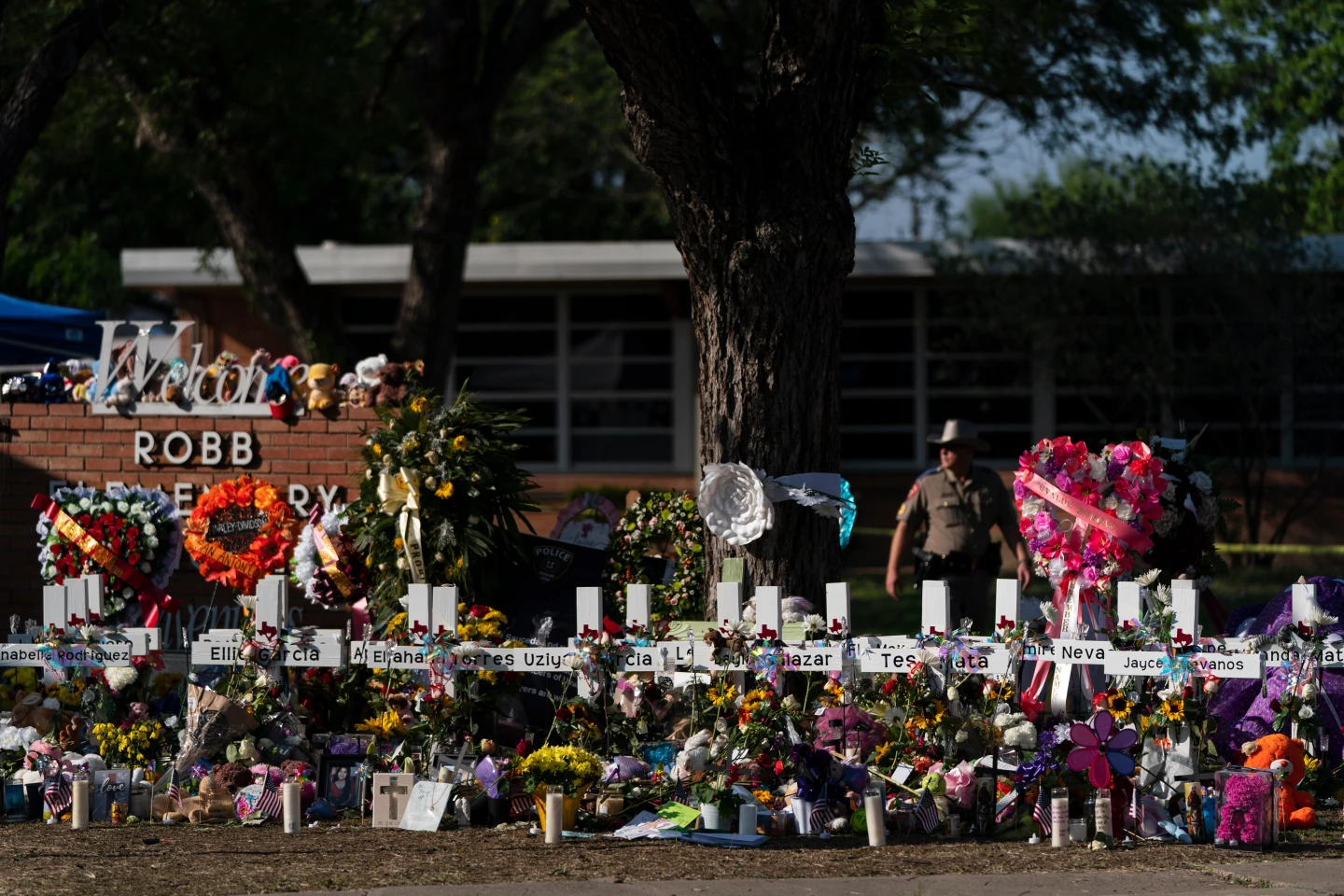
The shooting, which resulted in the deaths of 19 students and two teachers at Robb Elementary School, remains one of the deadliest in U.S. history. On the day of the shooting, despite nearly 400 law enforcement officers responding to the scene, police did not breach the classroom where the shooter was located for 77 minutes.
Gonzales is joined by former Uvalde school police chief Pete Arredondo as the only officers facing charges related to the delayed police response. As jury selection begins, the case raises crucial discussions surrounding the accountability of law enforcement during active shooter incidents. Gonzales has pleaded not guilty, asserting that he did attempt to aid children during the chaos.
The indictment suggests Gonzales's inaction resulted in 'imminent danger' for the children, as details emerged showing his reluctance to act despite hearing gunfire and receiving information about the shooter's location. This trial is expected to last up to three weeks and might influence the narrative regarding officer accountability in crisis situations.
Critics, including family members of the victims, argue that more officers should face charges for their inactions during the shooting. Eyewitnesses recounted desperate pleas for help while the police hesitated.
The case is not without precedent; a previous high-profile trial involving police inaction during an active shooter situation ended in acquittal, making prosecutors wary of securing a conviction in this case. After an initial assessment, Gonzales’ trial was moved from Uvalde to Corpus Christi to avoid potential bias.
Community members, including families affected by the shooting, remain vigilant during the proceedings, emphasizing the necessity for justice for those lost during the tragedy.