In brief
In an effort to enhance urban safety and community connectivity, Indianapolis has successfully reverted Michigan and New York streets from one-way to two-way. This move reflects a national trend aimed at revitalizing city landscapes and improving walkability. With plans for more conversions in place, the local community is beginning to adapt to this new paradigm, as experts weigh in on traffic flow and urban design.
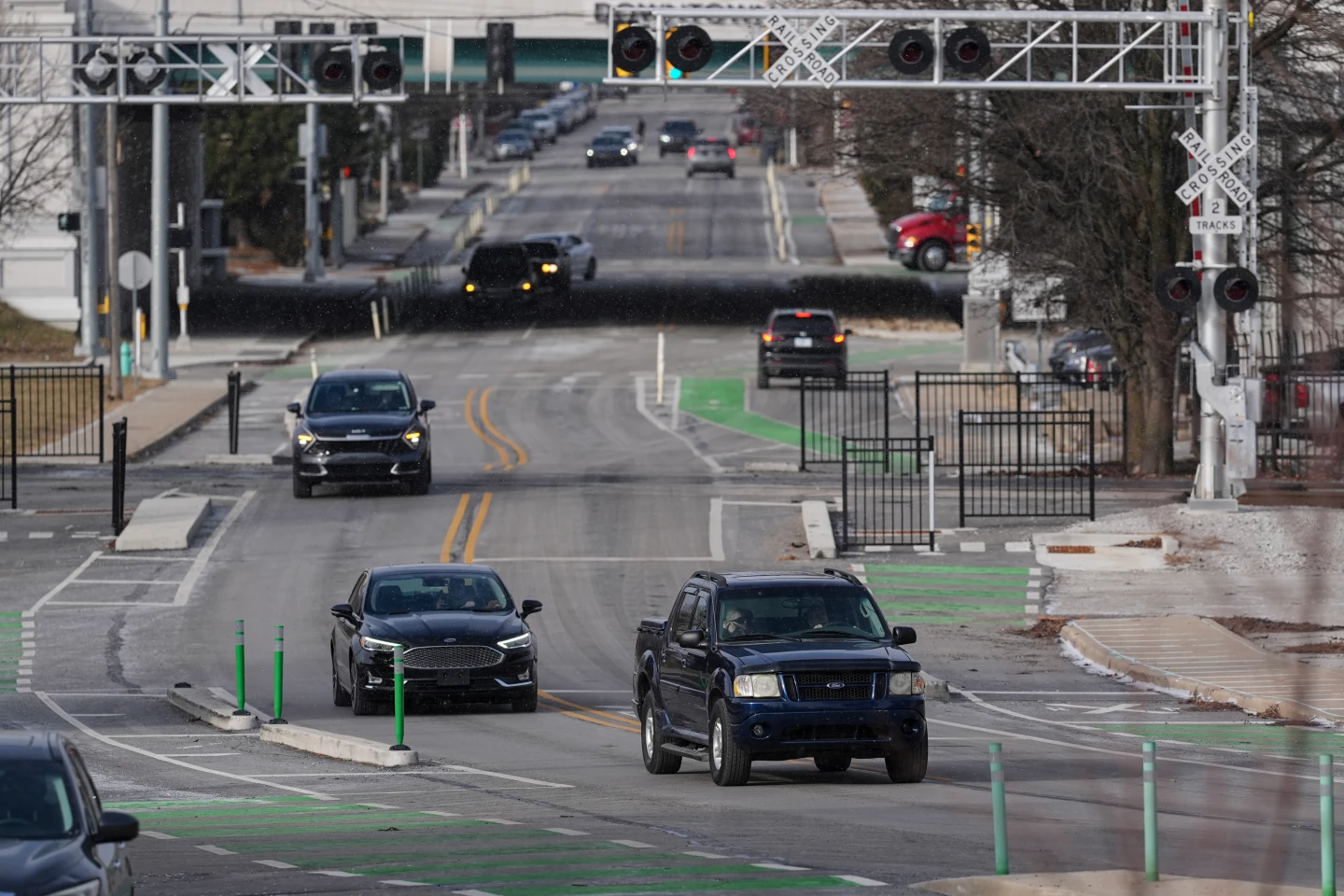
Indianapolis residents once knew Michigan and New York streets as a 'racetrack,' reflecting the speeders that took advantage of the unregulated one-way traffic. This changed last year, when city officials reverted these streets back to two-way, aiming to transform the area surrounding the former RCA electronics plant.
James Taylor, operator of a local community center, shared, The opening and conversion of those streets has just been transformative for how people think about that corridor. This shift is part of a broader movement in U.S. cities to prioritize safety and enhance the appeal of downtown areas for shoppers and residents.
Design Evolution in Urban Planning
Transportation planners nationwide are re-evaluating street designs, reverting many one-way streets to their two-way origins. Dave Amos, an assistant professor, highlighted that one-way streets prioritize vehicle speed over pedestrian safety, which places vulnerable road users at greater risk. Wade Walker, an engineer, elaborated that one-way streets can complicate intersection navigation, leading to confusion for pedestrians.
Across the country, cities like Louisville, Kentucky are also undergoing similar transformations, recognizing the negative impact one-way streets had on community connectivity. The loss of local businesses has been a prevailing concern, with many areas becoming barriers rather than conduits.
Community Reactions and Future Prospects
In Chattanooga, Tennessee, rapid decline followed the introduction of one-way street systems, highlighting the importance of road design in maintaining vibrant urban environments. As Indianapolis continues its transition with plans for ten additional street conversions, the community is beginning to see potential for new business development.
Critics of one-way conversions initially raised concerns in cities like Lynchburg, Virginia, but as the changes took effect, many have warmed to the idea. It is a reflection of the broader sentiment emerging in cities nationwide that prioritizing pedestrian experiences can therefore bring new life and economic opportunity.
With Indianapolis now experimenting with these urban reconfigurations, it exemplifies a movement that encourages walkability and re-establishment of community ties through more sensible and inviting road designs.