In brief
On the anniversary of a tragic attack that left 26 people dead in Kashmir, survivors and family members express their ongoing grief. Aishanya Dwivedi, whose husband was killed in the attack, recalls the day of the shooting and how she's coping with her profound loss. In contrast, the Narwal family, devastated by the loss of their son during his honeymoon, struggles to even speak his name—highlighting diverse ways families confront tragedy.
One year after a deadly attack on tourists in Indian-administered Kashmir, the families of the victims are still learning how to live with their losses.
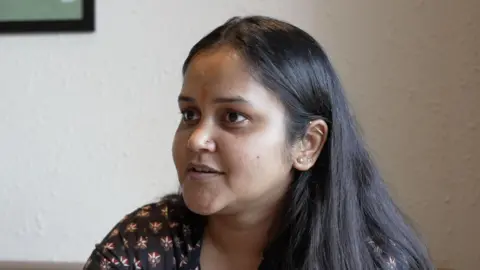
In the room she once shared with her husband, Aishanya Dwivedi points to a mirror on the wall. I once asked him why there was no mirror there, she said. The next day, he got one. Aishanya's husband, Shubham Dwivedi, was among 26 people killed on April 22, 2025, when militants opened fire on tourists near the town of Pahalgam - one of the deadliest attacks on civilians in Kashmir in decades.
The region is claimed in full by both India and Pakistan but administered in parts by each, and has been the cause of wars between them. Delhi blamed Pakistan for the attack in Pahalgam, alleging the killings were carried out by a group based in the country - a charge Islamabad denied. Two weeks later, India launched air strikes at what it said were bases used by militant groups, leading to four days of intense shelling and aerial attacks between the two nuclear-armed neighbours, until a surprise ceasefire was announced.
In India, outrage spread also over the nature of the Pahalgam attack, which targeted mostly Hindu men. Several of the victims were young travellers, their lives brutally cut short. The scale of the tragedy has been measured in official statements, security reviews, and tightened restrictions. Yet its consequences are felt most heavily in private spaces, in homes where grief has not receded with time, only changed shape.
Aishanya keeps everything as it was in their bedroom—That side of the bed is Shubham's, she said, pointing at the bed. Meanwhile, Vinay Narwal's family, who lost their son just days into his honeymoon, still keeps his belongings packed and unopened. We can't even bear to put his photo up anywhere in the house, his father, Rajesh, shared.
Both families have learned to live with absence in different ways. Aishanya speaks openly about her husband, embracing an outward expression of grief, while the Narwals remain silent, grappling with their loss internally.
In the aftermath of their losses, Aishanya has embraced the media, describing it as a therapeutic outlet, despite facing online trolling. She asserts, I will speak, I will go out, I will do everything I want. Those people [trolls] are nobody to dictate how I should behave after I have lost my husband. In contrast, Rajesh struggles with memories of his son while coping with the overwhelming pain left by his untimely passing.
As the anniversary of the attack brings renewed reflection, both Aishanya and Rajesh's families continue to navigate their grief, attempting to build their lives around those they have lost.