In brief
Kouri Richins, a Utah woman accused of murdering her husband Eric Richins by allegedly poisoning him with fentanyl, had her trial cut short last week when she waived her right to testify. Prosecutors argue she killed him for financial gain, backed by evidence such as life insurance policies and suspicious internet searches. Defense attorneys contend the prosecution's case is speculative and full of holes. Richins has pleaded not guilty to all charges, including aggravated murder, which carries a potential life sentence.
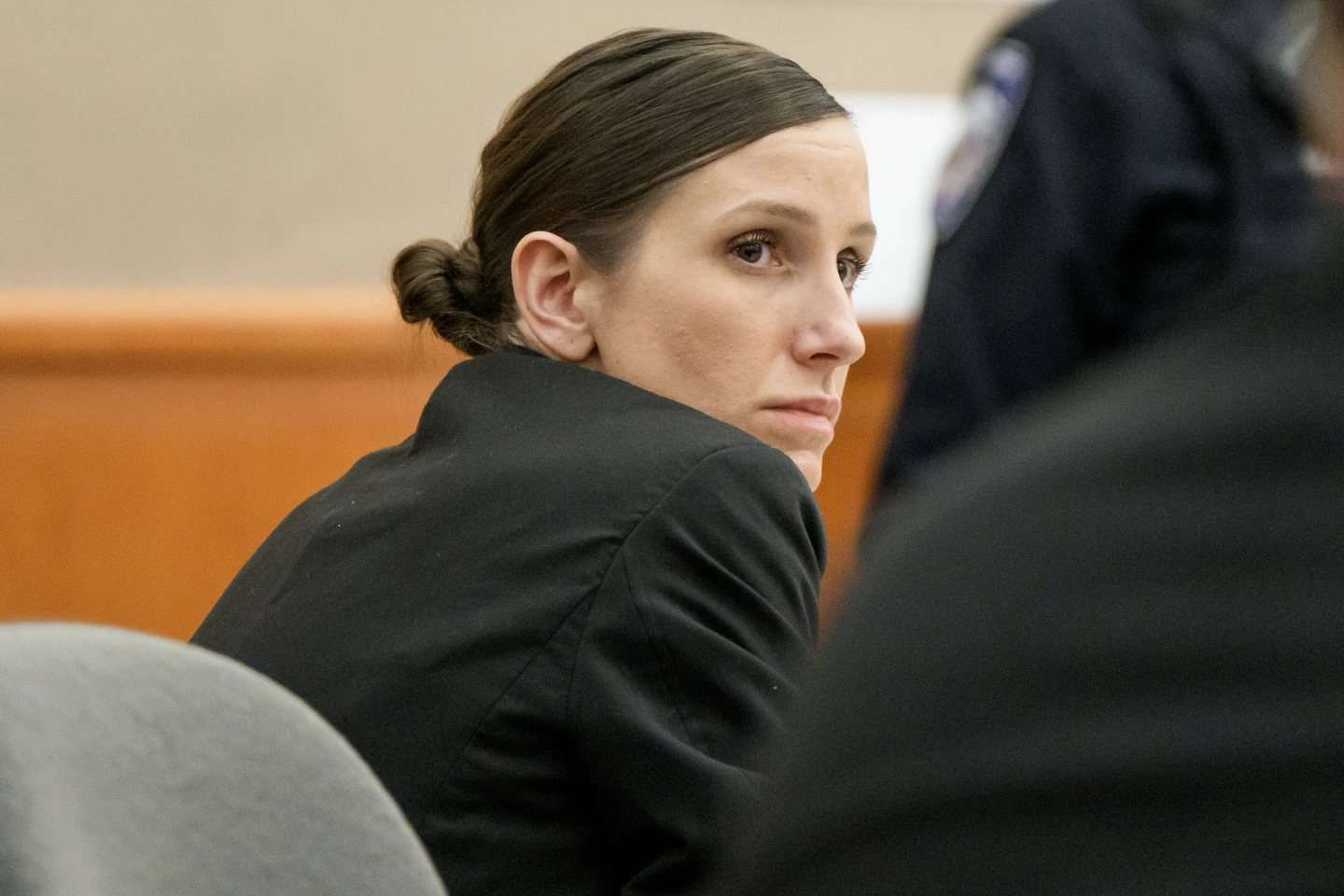
PARK CITY, Utah (AP) — Closing arguments are set to begin Monday in the high-profile murder trial of Kouri Richins, a Utah author who wrote a children's book on grief following the death of her husband, only to find herself accused of his murder.
Originally slated for five weeks, the trial took a turn last week when Richins waived her right to testify, prompting her defense team to rest its case without calling any witnesses. Her lawyers assert that prosecutors failed to present sufficient evidence to secure a conviction.
The prosecution alleges that Richins, 35, poisoned her husband Eric Richins with a lethal dose of fentanyl hidden in a cocktail served at their home in March 2022. In addition to the murder charge, she also is facing accusations of insurance fraud and attempted murder stemming from a fentanyl-laced sandwich she allegedly used to incapacitate him weeks prior on Valentine's Day. Richins has pleaded not guilty to all charges.
Prosecutors emphasize the seriousness of the aggravated murder charge, which could result in a sentence of 25 years to life in prison. They argue that Richins had substantial financial motives, highlighting her alleged debt of $4.5 million and the life insurance policies totaling about $2 million that she purchased on her husband without his knowledge.
Text messages recovered from Richins' phone depict correspondence with another man, Robert Josh Grossman, in which she expressed desires to leave her husband and pursue a future with him. Further investigation uncovered unsettling internet searches, including inquiries about lethal doses of fentanyl and luxury prisons for the wealthy.
Richins' recent endeavor, a self-published children’s book titled “Are You with Me?” purportedly intended to help her sons cope with their father’s death, has raised eyebrows among prosecutors who view it as part of a potential cover-up.
As the trial nears its conclusion, the prosecution aims to assert that Richins carried out the murder for financial gain while planning another life. Conversely, the defense plans to argue the weaknesses in the prosecution's case, offering a narrative that casts doubt on the evidence presented.
The jury will soon decide the fate of a woman whose life has become emblematic of tragedy intertwined with deceit.