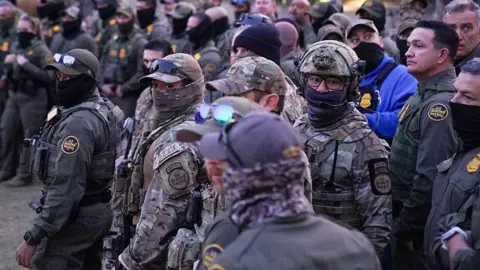
CHICAGO (PulseWire) — Newly released transcripts of private interviews with Greg Bovino, a senior U.S. Border Patrol official, along with other authorities leading the crackdown on immigration in the Chicago area, have unveiled tense exchanges and evasive responses amidst concerns over the high-profile use of force during protests.
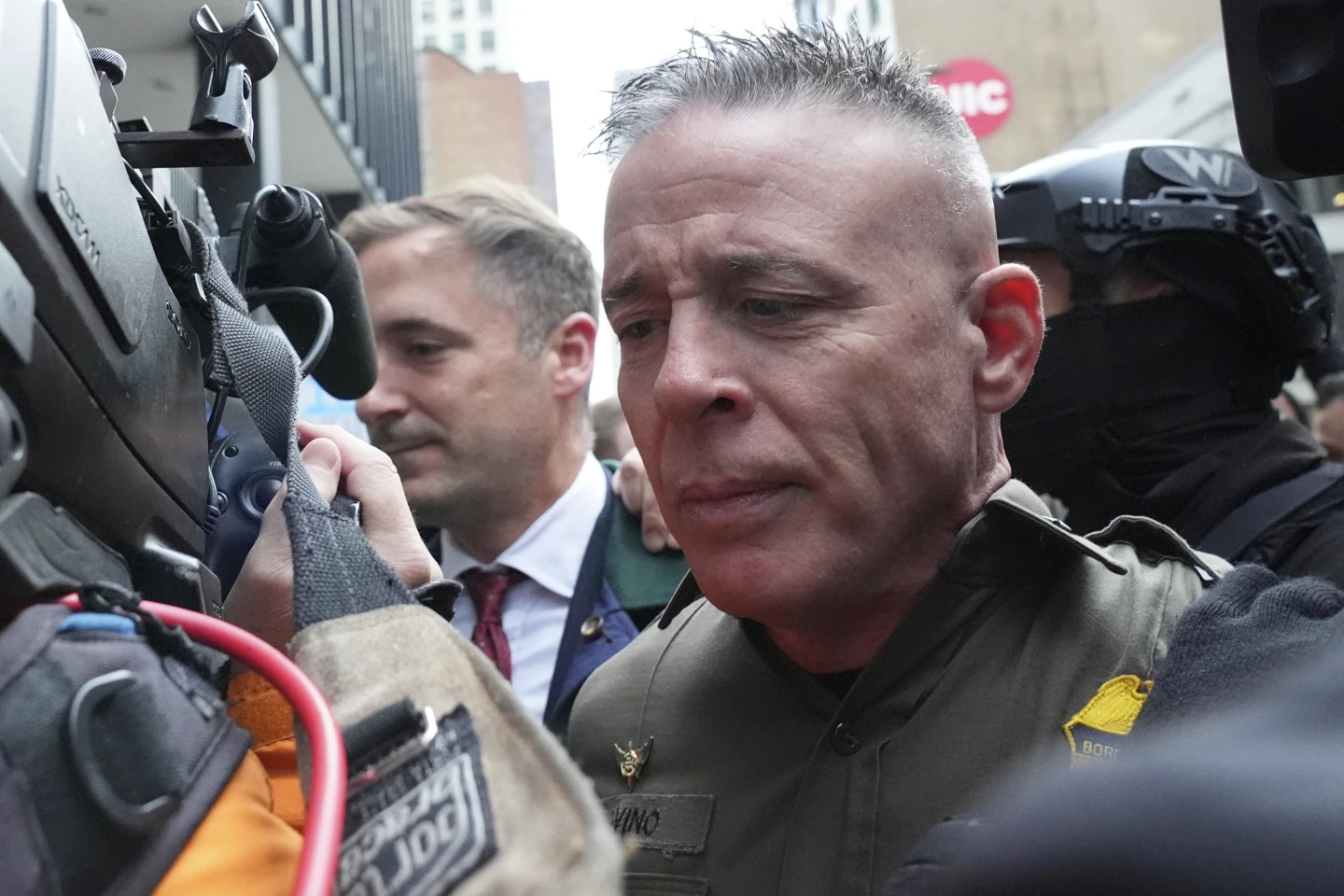
Bovino, the architect of an operation that has resulted in over 3,000 arrests since September, provided sworn testimonies over three days in late October and early November. Recently relocated to lead similar operations in North Carolina and New Orleans, Bovino’s deposition raises critical questions regarding the conduct of immigration agents.
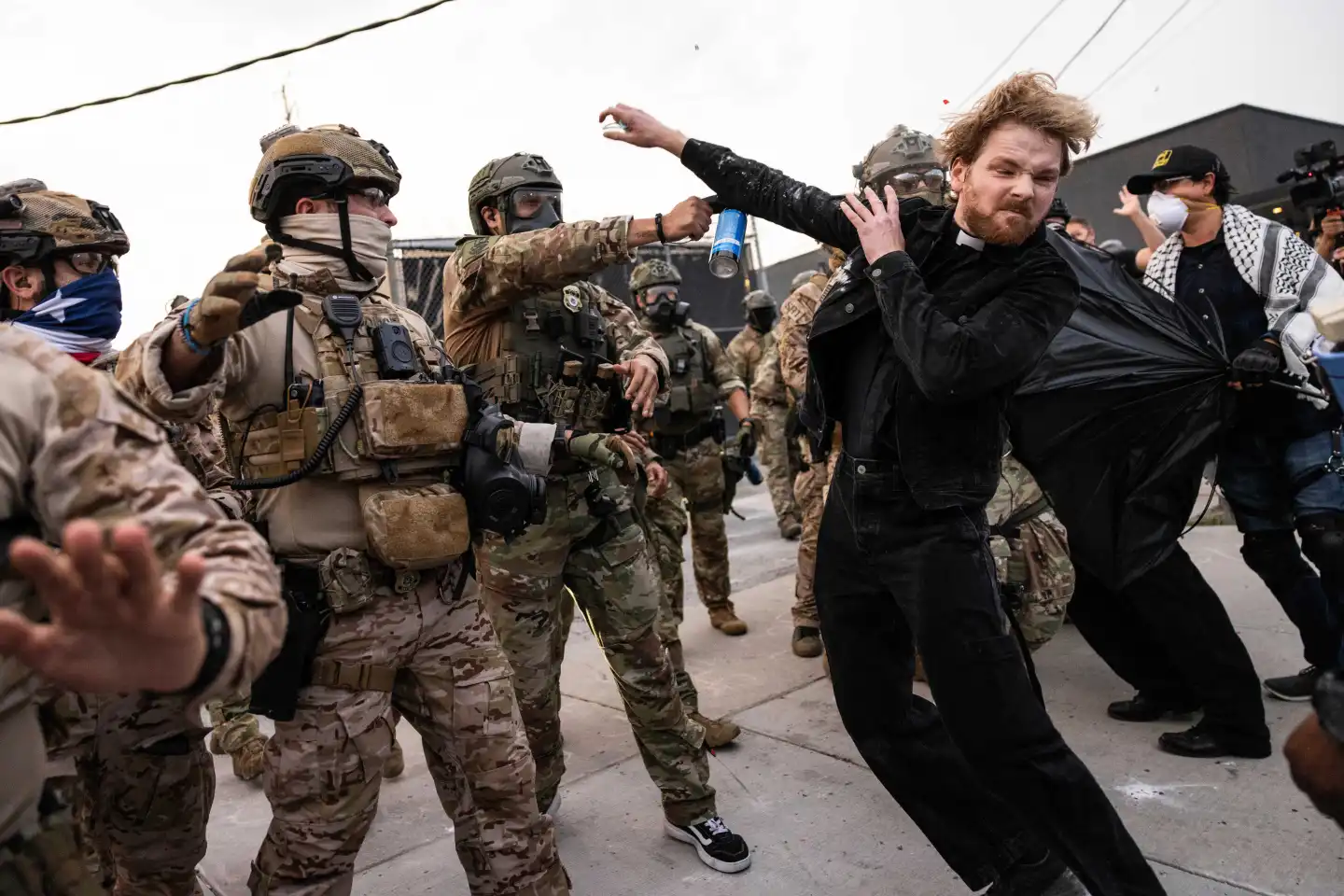
The release of hundreds of pages of transcripts highlights key moments called out by U.S. District Judge Sara Ellis in her recent opinion regarding allegations of excessive force used against protesters, journalists, and clergy. In her blistering 223-page ruling, Ellis issued a preliminary injunction to limit the use of force by federal agents. However, this order was temporarily halted by a federal appeals court, with a spokesperson for the Department of Homeland Security affirming the court’s ruling as a victory for law enforcement officers.
Challenges in the Deposition Process
The deposition process itself proved contentious from the outset, captured in heated exchanges between attorneys representing both sides. U.S. Department of Justice attorney Sarmad Khojasteh expressed frustration when a representative for the coalition of plaintiffs did not shake Bovino’s hand upon arrival, emphasizing the need for mutual respect in legal proceedings.
As the deposition continued, tensions escalated, with Khojasteh labeling plaintiffs’ attorney Locke Bowman a petulant old man while Bowman accused Khojasteh of obstructing the process through relentless objections. The conflict underscored the gravity of the allegations concerning the treatment of protesters.
Bovino’s Evasive Testimony Raises Concerns
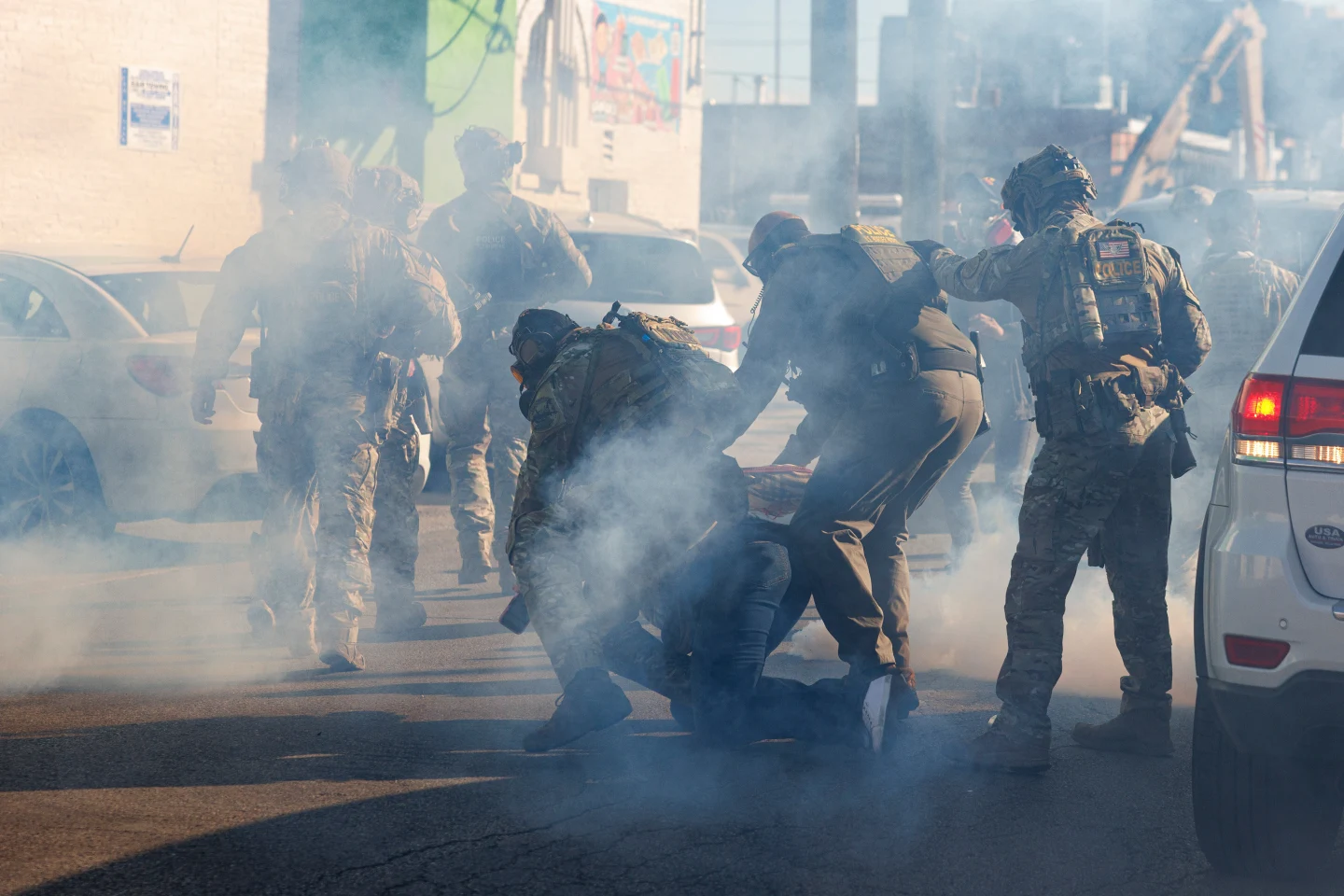
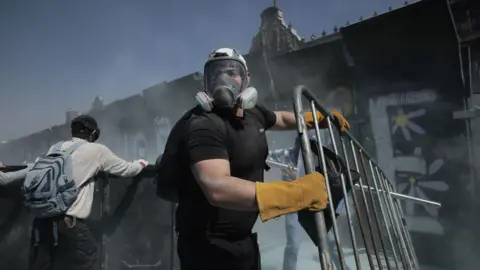
Bovino’s testimony included multiple evasion instances, particularly when discussing the use of force against demonstrators. During a protest in the Mexican-American neighborhood of Little Village, he initially claimed to have thrown tear gas canisters after being targeted by a rock but later admitted his sequence of events was mistaken. Critics, including Judge Ellis, allege Bovino misled the court regarding these incidents.
At times, he attempted to differentiate between singular and plural terms, downplaying his actions during a high-stakes protest outside an immigration facility in Broadview, revealing inconsistencies in his account. Despite being shown footage of his actions during protests, Bovino continued to deny using excessive force, asserting that he merely made physical contact.
Whispers of Ineffectiveness in ICE Training
Further complicating matters, Russell Hott, an ICE official, also faced scrutiny during his deposition, admitting the lack of regular crowd control training for agents involved in the protests. He acknowledged that the use of aggressive tactics like tear gas and pepper balls ceased only after the Illinois State Police assumed control of protest responses.
Amidst the turmoil, Deputy Chief Patrol Agent Daniel Parra echoed the sentiments of uncertainty, frequently stating he could not recall crucial details about force incidents documented during his time at the forefront of these operations. Judge Ellis highlighted concerns regarding the appropriateness of Border Patrol's tactics in urban environments, urging for reassessment of operational strategies in contexts distinct from border situations.
The contentious hearings and evasive responses from key officials reflect ongoing struggles over immigration enforcement protocols amid rising tensions in Chicago, as community and legal scrutiny intensifies.