In brief
Investigations into the disappearance of journalist Austin Tice, missing since 2012, gain urgency following claims made by a former Syrian general about Tice's fate.
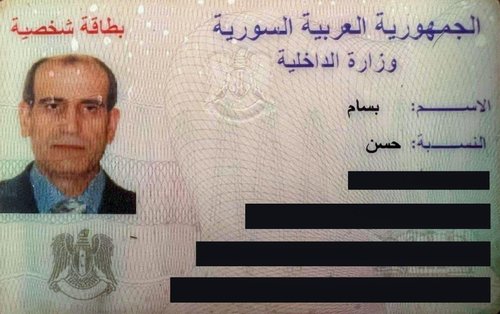
The search for Austin Tice, the American journalist and former Marine who vanished in Syria in 2012, has taken a significant turn as new insights emerge from a top Syrian general. In recent meetings with U.S. investigators, Bassam Hassan—once a high-ranking officer under now-ousted Syrian President Bashar al-Assad—allegedly informed the FBI and CIA that Tice is dead and has potentially identified the location of his grave.These discussions with Hassan surfaced in Lebanon, where he conveyed information regarding orders allegedly given by former President al-Assad that led to Tice's killing. Kidnapped at a Damascus checkpoint over a decade ago, Tice's case has long plagued U.S. officials, who had maintained hope he could still be alive amid the brutal conditions known to characterize Syria's prison system.Despite the shocking nature of Hassan's claims, they remain unverified, although they hold potential to finally illuminate Tice's fate. American intelligence has historically regarded Hassan as a significant figure linked to Tice's imprisonment. The recent downfall of the Assad regime has reignited U.S. interest, as officials now hope that Hassan might reveal further information not only regarding Tice but other key issues affecting U.S. interests in the region.Numerous individuals, including current and former U.S. lawmakers and associates of Hassan, have corroborated details of these conversations, all preferring to remain unnamed due to safety concerns. The continued pursuit of Tice’s case underscores the complex ties between the United States and Syria, and the intricate web of diplomacy, uncertainty, and human rights involved in securing the truth behind his disappearance.