In brief
As fast fashion becomes the norm, American tailors are seeing an unexpected uptick in demand for personalized clothing alterations. With industry professionals aging out, the craft faces a shortage of young talent. Tailors like Kil Bae strive to keep their art alive, sharing insights on the unique skills that set them apart in a technology-driven world. Efforts to train new tailors are underway, aiming to sustain this valuable craft for generations to come.
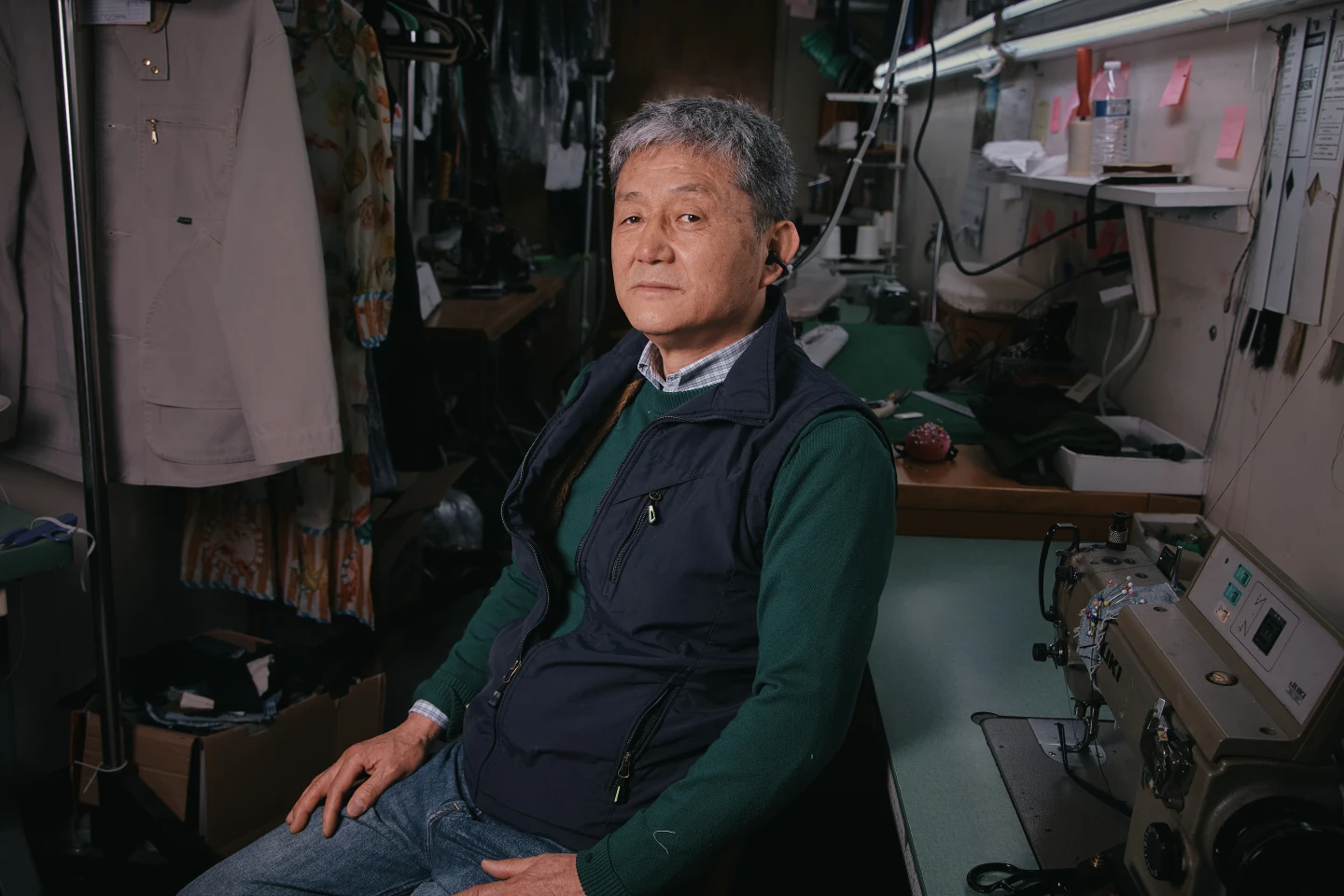
NEW YORK (PulseWire) — Hunched over a sewing machine, Kil Bae meticulously hems a dress in his Manhattan tailor shop. A new customer enters with a vintage Tommy Hilfiger jacket, eager for a custom fit. This scenario reflects a larger trend, as shoppers increasingly seek tailors to alter off-the-rack purchases, extending the lifespan of their wardrobes amid the disposable fashion culture.
Bae, who began his tailoring journey at 17 in South Korea and now runs his own shop at 63, notes that requests for such expensive alterations have become more typical as fashion and societal norms shift. In a world where fast fashion has dominated, customers are now paying top dollar for bespoke services, fueling the survival of tailor businesses like Bae's 85 Custom Tailor.
Shoppers, particularly those affected by weight changes from medications like Zepbound and Wegovy, are seeking customized alterations, bringing renewed life to the once declinable profession. As Bae points out, tailoring is an irreplaceable art that cannot be automated like many aspects of manufacturing.
An Aging Occupation
However, the profession faces a daunting challenge: the average age of sewers and tailors is rising, with the U.S. Bureau of Labor Statistics reporting a median age of 54. There are fewer than 17,000 tailors working nationwide, a significant decrease over the past decade. The reasons include low wages relative to the labor intensity and lack of interest among younger generations. While the mean salary for tailors stands at $44,050, many opt for careers in tech, leaving the craft vulnerable.
Shifting Focus to Training
Efforts to rejuvenate the profession are underway, as the fashion industry attempts to attract young talent. For instance, Nordstrom recently launched a partnership with the Fashion Institute of Technology to train new master tailors. Programs like this highlight the importance of skilled craftsmanship and aim to inspire a new wave of artisans.
Increasing Market Demand
Retailers are recognizing the shifting consumer focus toward sustainability and quality. For example, Brooks Brothers has expanded its bespoke services for women's tailoring, responding to the rising demand for customized clothing. This trend signifies a potential revival for the tailoring craft in the face of fast fashion.
Back in his shop, Bae continues to pen designs in his mind and embody the art of tailoring. As he closes the fitting on a customer's jacket, he hopes for a future where the interests of young people might pivot back to appreciating and preserving the intricate craft of tailoring.