The court's ruling highlights serious concerns about the jury's instructions during Hernandez's trial that, according to the judges, deviated from established federal law standards. This decision resurrects questions about a case that has haunted New York for decades.
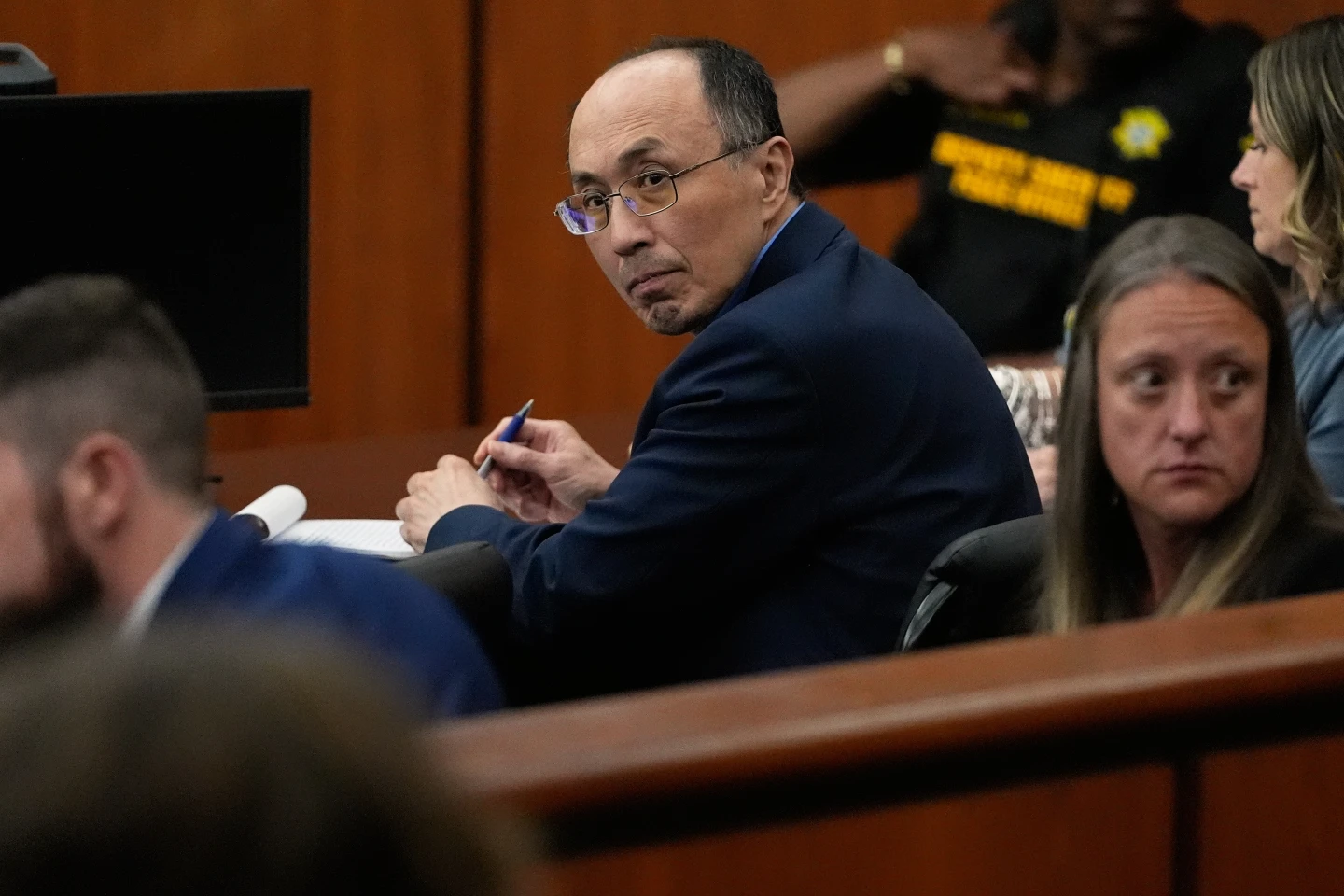
The Second Circuit Court of Appeals ruled that Pedro Hernandez, found guilty in 2017 of the killing and kidnapping of Etan Patz, should either receive a new trial or be released. The case, which gained national notoriety when the young boy disappeared on his way to a school bus stop, has stirred public emotions for years.
Hernandez initially confessed to the crime during a lengthy police interrogation in 2012, detailing how he lured Patz to a basement before strangling him. His confession was pivotal in securing his conviction. However, the appeals court expressed concern over the validity of that confession, pointing out Hernandez's documented mental health issues and low IQ.
Attention turned to the jury's instructions during Hernandez's second trial, where jurors were misinformed about the implications of their findings regarding the voluntary nature of Hernandez's initial confession. The judge instructed jurors that they could not disregard the later confessions, even if they felt the first one was coerced.
This ruling allows Hernandez, who has consistently maintained his innocence, another chance to challenge the case against him. His attorney, Harvey Fishbein, expressed hope that the Manhattan District Attorney's office would consider dropping the charges altogether and redirect their efforts towards uncovering the truth about Etan Patz's long-unsolved disappearance.
The fate of Hernandez rests now on the decisions of the prosecutors and the potential return to the courtroom, as the search continues for answers in a case that has kept New York City on edge for over four decades.
The Second Circuit Court of Appeals ruled that Pedro Hernandez, found guilty in 2017 of the killing and kidnapping of Etan Patz, should either receive a new trial or be released. The case, which gained national notoriety when the young boy disappeared on his way to a school bus stop, has stirred public emotions for years.
Hernandez initially confessed to the crime during a lengthy police interrogation in 2012, detailing how he lured Patz to a basement before strangling him. His confession was pivotal in securing his conviction. However, the appeals court expressed concern over the validity of that confession, pointing out Hernandez's documented mental health issues and low IQ.
Attention turned to the jury's instructions during Hernandez's second trial, where jurors were misinformed about the implications of their findings regarding the voluntary nature of Hernandez's initial confession. The judge instructed jurors that they could not disregard the later confessions, even if they felt the first one was coerced.
This ruling allows Hernandez, who has consistently maintained his innocence, another chance to challenge the case against him. His attorney, Harvey Fishbein, expressed hope that the Manhattan District Attorney's office would consider dropping the charges altogether and redirect their efforts towards uncovering the truth about Etan Patz's long-unsolved disappearance.
The fate of Hernandez rests now on the decisions of the prosecutors and the potential return to the courtroom, as the search continues for answers in a case that has kept New York City on edge for over four decades.