In brief
CentroNía bilingual preschool's staff have adjusted their operations due to increased ICE presence, halting excursions and scheduling changes. Legal immigrant workers in childcare report feelings of anxiety, while the school has seen a loss of staff due to deportation fears. The broader impact of immigration policies has shaken the childcare sector, which is significantly reliant on immigrant labor. As pressure mounts, not only employees but also students are feeling the weight of fear and anxiety in these environments.
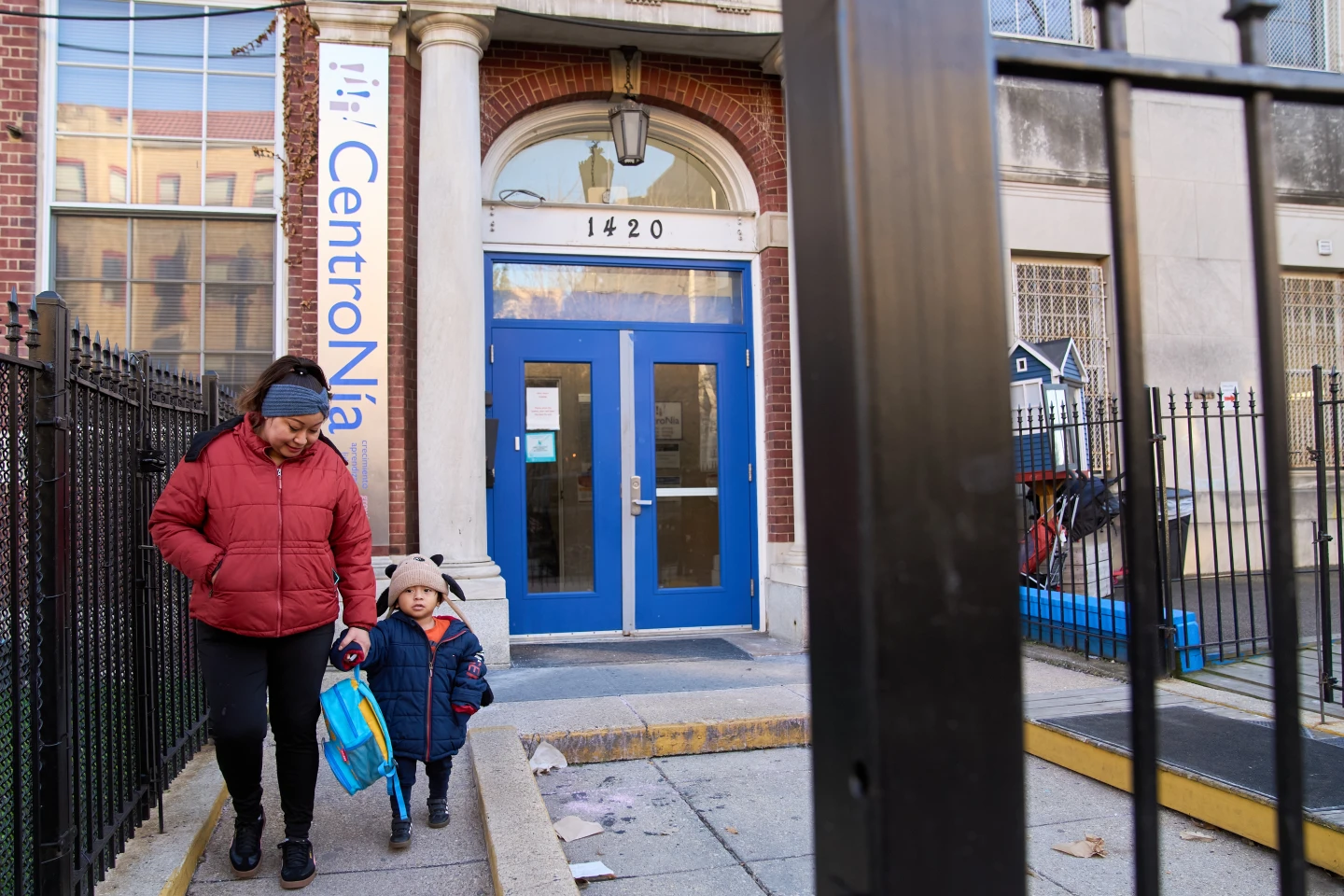
WASHINGTON – Since the start of President Trump’s administration, CentroNía bilingual preschool has had to navigate the growing anxiety surrounding Immigration and Customs Enforcement (ICE) operations in their predominantly Latino neighborhood in Washington, D.C. Teachers have been rehearsing protocols to follow if ICE agents come to their doors, causing a significant shift in their usual classroom practices.
This summer, the heightened presence of ICE forced teachers to cancel field trips, including visits to parks and libraries, places once deemed essential extensions of classroom learning. The climax of this fear came when the school decided to forgo its traditional Hispanic Heritage Month parade, an event that honored cultural diversity and the community's immigrant heritage.
The fear culminated in October when ICE arrested a teacher at a Spanish immersion preschool in Chicago, further exacerbating the anxiety among immigrant workers and families depending on childcare services.
Trump's stringent immigration policies have disproportionately affected the childcare sector, which heavily relies on immigrant workers amidst an ongoing labor shortage. Many childcare workers have reported that the fear of encounter with ICE officials has driven some to leave the profession, while others have felt personally targeted due to the political climate.
At CentroNía, all employees possess legal work status, yet the pervasive fear of deportation has altered how the institution operates. CEO Myrna Peralta commented, “That really dominates all of our decision-making.” Instead of joyful excursions, staff now push strollers through the hallways, transforming a classroom into a makeshift library after dissolving a partnership with a local library.
ICE's role has changed dramatically; rules once protecting schools from ICE intrusion were lifted shortly after Trump took office, allowing for increased raids. A spokesperson for the Department of Homeland Security defended ICE's actions in Chicago, emphasizing the context of the arrest and the procedure followed.
Statistically, nearly 20% of the U.S. childcare workforce consists of immigrants, and in major cities, this proportion rises to around 40% in places like D.C., California, and New York. This labor force not only fulfills essential roles in early education but also meets the need for Spanish-language preschools sought after by parents aiming for bilingual education for their children.
The repercussions of the Trump administration's policies resonate deeply within the community. Workers have lost Temporary Protected Status, forcing many out of their jobs. CentroNía has seen a decline in staff as a direct result of these changes.
The atmosphere of fear infiltrates not only the lives of the teachers but also the children's psyche. At other schools, such as a Guidepost Montessori in Oregon, incidents involving ICE led to heightened anxiety levels among the students, leading to noticeable behavioral changes.
Educators have expressed that the current environment dramatically affects mental health. Many staff have sought medical assistance due to panic attacks triggered by this stress. Solutions for mental health support have focused on the needs of the teachers, reinforcing the understanding that a well-supported faculty leads to better student environments.
As America navigates these challenging sociopolitical landscapes, the implications of immigration policies are felt across all societal layers, notably within our educational institutions.