In brief
In response to a deadly air crash that claimed 179 lives, South Korea has mandated the installation of bird detection technologies at all airports by 2026, aiming to prevent future incidents related to wildlife strikes.
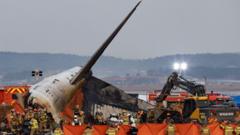
South Korea's Ministry of Land announced a significant safety initiative following a devastating plane crash in December 2022 that resulted in 179 fatalities. The ministry ordered all airports to install bird detection cameras and thermal imaging radars, with the implementation scheduled for 2026. This decision stems from investigators’ recent findings of bird strike evidence on a Boeing 737-800, which collided with a concrete structure during an emergency landing.The ongoing investigation into the crash—the most lethal on South Korean soil—will assess the impact of the bird strike and the potential hazards created by nearby structures at the runway's end. Current measures include the adaptation of safety areas at seven airports and relocating sites attracting birds, such as rubbish dumps, away from runways.“Bird detection radars will significantly enhance early detection of distant birds and improve response capabilities for aircraft,” stated the Ministry of Land. This radar technology provides real-time data on the size and movement of birds, allowing air traffic controllers to better manage potential hazards.Notably, only four South Korean airports currently have thermal imaging cameras, and it remains unclear if these facilities are equipped with bird detection radars. The tragic incident on December 29 involved a flight from Bangkok to Muan International Airport that experienced a bird strike after takeoff, leading to a mayday declaration and a dire emergency landing. Despite initial hopes for a safe landing, the aircraft crashed into the runway's concrete end, resulting in significant loss of life. Most of the passengers on board were in their 40s to 60s, with only two cabin crew members surviving the accident. As investigations continue, this tragic event emphasizes the pressing need for robust wildlife monitoring systems at airports to enhance aviation safety moving forward.