In brief
The United States is witnessing a damaging surge of homemade synthetic drugs, blending fentanyl with animal tranquilizers such as xylazine and medetomidine. This new cocktail bypasses traditional law‑enforcement methods, resulting in higher potency and harder‑to‑reverse overdoses. Across Columbus, Ohio and Chicago, eyewitness accounts describe new overdose tactics involving paper‑soaked materials and smuggled packages. Recovery groups and federal agencies report a stark rise in deaths, urging expanded treatment and smarter surveillance. As drug makers adapt, the war on drugs faces unprecedented challenges.
The American overdose crisis has shifted from classic heroin and prescription opioids to a new, highly toxic mix of fentanyl fused with animal sedatives such as xylazine and medetomidine. These substances are produced in basements, bathtubs and even at home, circumventing border‑control efforts and outpacing law‑enforcement capacity.
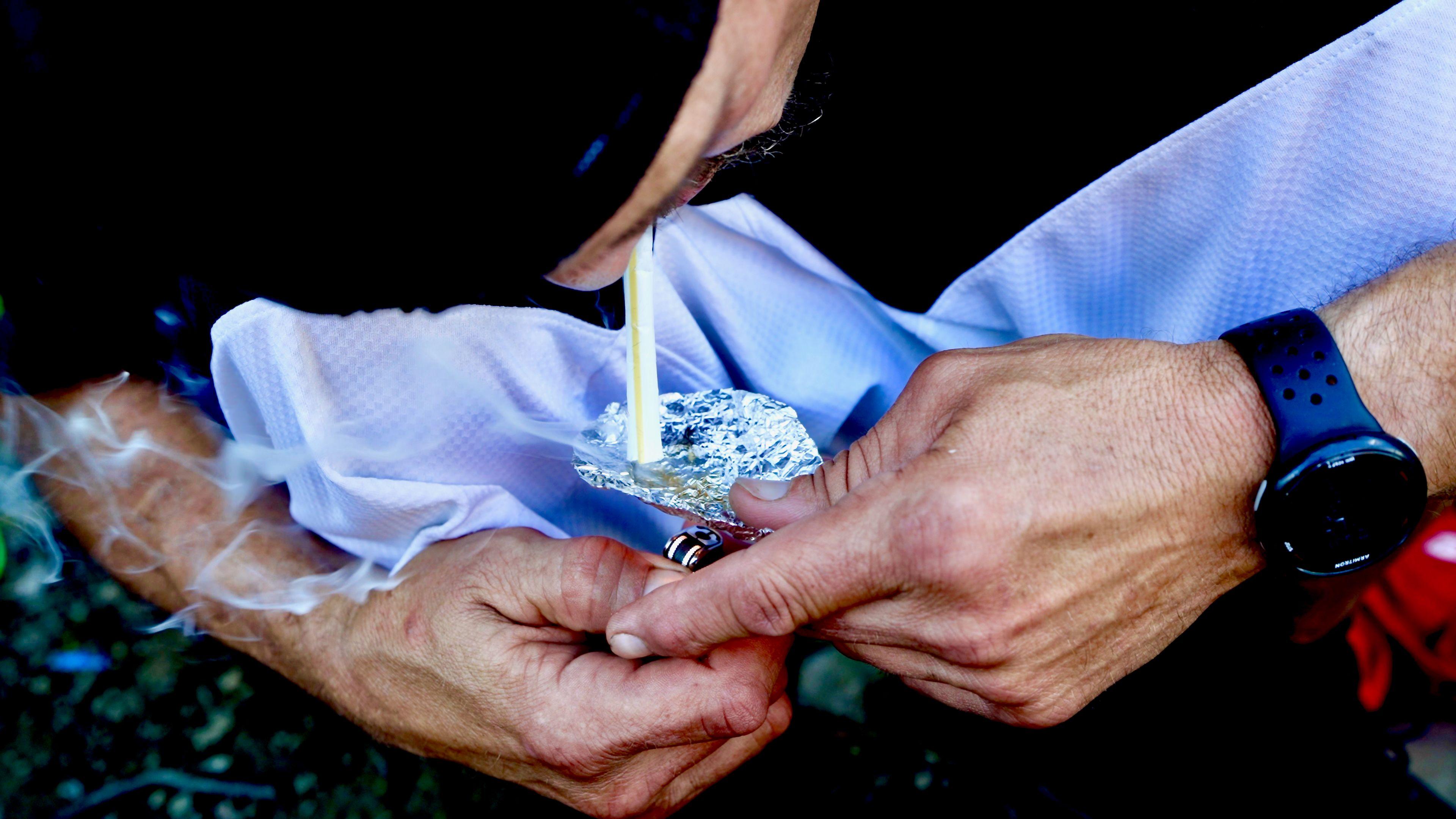
In Columbus’s Linden neighbourhood, veteran Mike openly shows how he lights fentanyl grains on a silver foil. He warns that the street drug can "make you do anything," describing the experience as a “gunshot” that cannot be taken back. His entourage of neighbors, a pawn‑shop operator and a “ghost‑shop” dealer, illustrate how local supply chains thrive on anonymity and low‑cost production.
Beyond fentanyl alone, the most deadly additives are sedatives that blunt the body's breathing response. Xylazine, a large‑animal tranquilizer, causes painful necrotic ulcers; medetomidine traps the patient in a deep trance that naloxone – the life‑saving opioid reversal spray – cannot reverse. These ingredients, unidentifiable to most users, raise overdose risk by miles and complicate emergency treatment.
Across Chicago, the largest jail in the United States sees a spring‑time spike in overdoses linked to paper‑soaked inhalants. Inmate‑made “tapers” – small bundles of smoked paper – produce aerosols of fentanyl mixed with K2 – an entirely synthetic cannabinoid that has caused fatal seizures. Sheriff Tom Dart reports that the newest contraband arrives on moist paper and is hidden in letters, making it nearly invisible to standard detection scanners.
Bullet‑in‑time statistics confirm the shift: 2022 alone, 110,000 Americans died of overdoses; 2025 figures have fallen to 70,000 but the death rate is still climbing in specific demographics, especially among black men in Ohio. The Centers for Disease Control’s sampling program has confirmed that many burglary‑produced synthetic drugs contain multiple unknown chemicals, further entrenching the crisis.
Recovery groups such as Hope Dealers in Columbus and Liv4Lali in Chicago have emerged as lifelines. They distribute test strips that detect fentanyl, xylazine and other adulterants, providing a crude but vital layer of safety for users who must decide if a bag is worth the risk. In one of the group's meetings, a shooter‑suffered male recounted an overdose that required three doses of naloxone, still incapacitated by an unidentified sedative.
Volunteers are also racing to update public safety messaging. Smart vending machines now dispense free naloxone in neighborhoods most prone to street drug use. Grass‑roots pushback has forced officials to confront that supply‑side enforcement alone is insufficient; a balanced approach that includes treatment, community education, and tighter surveillance over mail and electronic drug purchasing is now urgent.
For readers seeking help, the article includes a link to resources such as Befrienders Worldwide for emotional support, and the U.S. Department of Health’s critical >n>code for overdose (999 or 911 in the U.S.).
Additional reporting by Darren Conway.